THE ADVENTURE COLLECTIVE® · Independent discovery and booking for outdoor travel

Spend an hour at Kinross in Gibbston Valley sampling Wild Irishman wines and learning how Central Otago’s schist soils and sharp day‑night swings shape Pinot and whites. This intimate tasting pairs history with hands‑on guidance—ideal for visitors based in Queenstown.
Spend an hour at Kinross in Gibbston Valley sampling Wild Irishman wines and learning how Central Otago’s schist soils and sharp day‑night swings shape Pinot and whites. This intimate tasting pairs history with hands‑on guidance—ideal for visitors based in Queenstown.
A low-slung cellar door, stone underfoot and a breeze that has crossed tussock slopes: step into Kinross and the first thing you notice is the valley’s light—sharp, clean, and honest. The tasting room frames the Gibbston Hills; a poured glass reflects schist soils and seasons more than adjectives. For an hour, the Wild Irishman label—born when Alan Brady planted the first grapes here in 1981—takes center stage.
Verified experiences and guided adventures in the surrounding area.
Operated by Kinross Winery · Gibbston, Otago
A low-slung cellar door, stone underfoot and a breeze that has crossed tussock slopes: step into Kinross and the first thing you notice is the valley’s light—sharp, clean, and honest. The tasting room frames the Gibbston Hills; a poured glass reflects schist soils and seasons more than adjectives. For an hour, the Wild Irishman label—born when Alan Brady planted the first grapes here in 1981—takes center stage.
Central Otago’s geology is part of the story: exposed schist bedrock, glacially carved valleys and shallow, rocky soils give vines stress that produces concentrated fruit. The region’s continental climate—hot daytime sun, cold nights—creates the high acid, vibrant flavors that made Gibbston famous for pinot noir and expressive whites. The tasting at Kinross highlights that sub-regional diversity: small-lot pinots, a crisp white, and the entrepreneurial spirit of winemakers who still share equipment, stories and bottlings.
Culturally, this is hands-on, informative tasting rather than theatrical. Advisors explain site, vintage and technique; the crowd size is intimate (max ~12) so questions are welcomed.
Practical guidance: the experience runs about 60 minutes; bring photo ID (18+ requirement) and book ahead—sessions fill in high season. Plan transport—designate a driver or use ride services. Ask to taste verticals or vineyard-specific cuvées if available, and bring a cool bag for purchases if you’ll be traveling on. For a compact, educational tasting in one of New Zealand’s most characterful valleys, Kinross offers clear context, excellent examples and a direct line from terroir to glass.
easy.
1 hour.
Suitable for all fitness levels; mostly seated and accessible
Yes—tastings are limited to a small group (max ~12) and booking secures your spot and preferred time.
Yes—Kinross reports that all areas and surfaces are wheelchair accessible and service animals are allowed.
Usually—most cellar doors sell current releases and small batches; staff can advise on vintages and reserve stock availability.
For a full refund cancel at least 24 hours before the scheduled time; bookings generally require one ticket per booking.
Alan Brady planted the first commercial vines in the Gibbston area in 1981, catalyzing Central Otago’s modern wine industry and its focus on pinot noir.
Wineries in Gibbston emphasize low‑yield viticulture and careful soil management; visitors are encouraged to minimize waste and respect vineyard boundaries.
Kinross Winery operates guided outdoor trips and adventures with an emphasis on safety, stewardship, and memorable experiences.
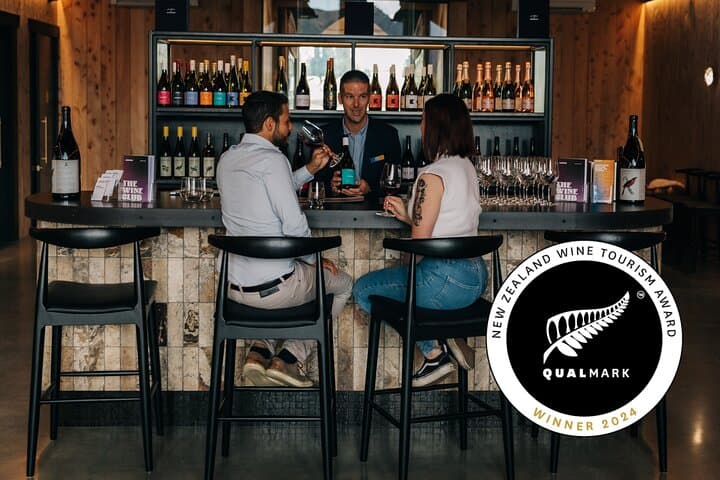
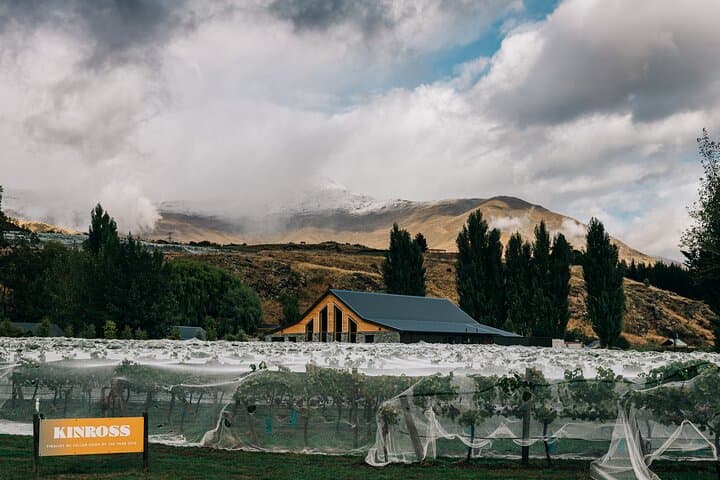

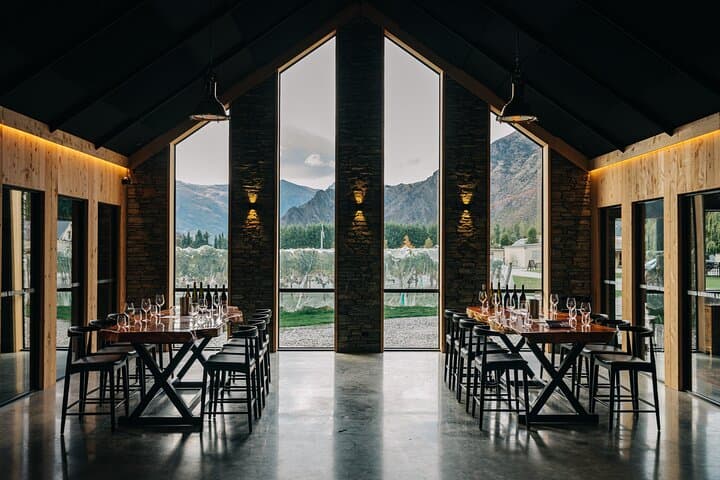
A low-slung cellar door, stone underfoot and a breeze that has crossed tussock slopes: step into Kinross and the first thing you notice is the valley’s light—sharp, clean, and honest. The tasting room frames the Gibbston Hills; a poured glass reflects schist soils and seasons more than adjectives. For an hour, the Wild Irishman label—born when Alan Brady planted the first grapes here in 1981—takes center stage.
A low-slung cellar door, stone underfoot and a breeze that has crossed tussock slopes: step into Kinross and the first thing you notice is the valley’s light—sharp, clean, and honest. The tasting room frames the Gibbston Hills; a poured glass reflects schist soils and seasons more than adjectives. For an hour, the Wild Irishman label—born when Alan Brady planted the first grapes here in 1981—takes center stage.
Central Otago’s geology is part of the story: exposed schist bedrock, glacially carved valleys and shallow, rocky soils give vines stress that produces concentrated fruit. The region’s continental climate—hot daytime sun, cold nights—creates the high acid, vibrant flavors that made Gibbston famous for pinot noir and expressive whites. The tasting at Kinross highlights that sub-regional diversity: small-lot pinots, a crisp white, and the entrepreneurial spirit of winemakers who still share equipment, stories and bottlings.
Culturally, this is hands-on, informative tasting rather than theatrical. Advisors explain site, vintage and technique; the crowd size is intimate (max ~12) so questions are welcomed.
Practical guidance: the experience runs about 60 minutes; bring photo ID (18+ requirement) and book ahead—sessions fill in high season. Plan transport—designate a driver or use ride services. Ask to taste verticals or vineyard-specific cuvées if available, and bring a cool bag for purchases if you’ll be traveling on. For a compact, educational tasting in one of New Zealand’s most characterful valleys, Kinross offers clear context, excellent examples and a direct line from terroir to glass.