THE ADVENTURE COLLECTIVE® · Independent discovery and booking for outdoor travel

Explore a rarely crowded, ruin-strewn section of the Great Wall where stone meets reservoir. This private half-day hike from Beijing blends Ming-era masonry, steep ridgelines, and photo-worthy water-facing views.
Explore a rarely crowded, ruin-strewn section of the Great Wall where stone meets reservoir. This private half-day hike from Beijing blends Ming-era masonry, steep ridgelines, and photo-worthy water-facing views.
You step out of the air-conditioned vehicle onto a quiet mountainside and the Great Wall appears like a weathered spine cutting the ridge—stones jagged, mortar worn, a few towers leaning into the sky. At Huanghuacheng the wall breathes with the landscape: parts plummet into a blue reservoir, other stretches crumble into terraces of grasses and lichen. Your English-speaking guide walks beside you, pointing out arrow slits and patched repairs as the wind pushes you toward the next steep flight.
Verified experiences and guided adventures in the surrounding area.
Operated by Beijing Tours · Beijing, Beijing
You step out of the air-conditioned vehicle onto a quiet mountainside and the Great Wall appears like a weathered spine cutting the ridge—stones jagged, mortar worn, a few towers leaning into the sky. At Huanghuacheng the wall breathes with the landscape: parts plummet into a blue reservoir, other stretches crumble into terraces of grasses and lichen. Your English-speaking guide walks beside you, pointing out arrow slits and patched repairs as the wind pushes you toward the next steep flight.
Huanghuacheng is one of Beijing’s more ruined, original sections, with visible Ming-era masonry and later collapses that reveal how local geology—granite and schist—both supports and splits the structure. The reservoir below, created by river damming in the 20th century, has flooded some stretches so the wall appears to meet water. Locals in nearby villages have farmed these slopes for generations; you’ll pass small stone paths and occasional cattle tracks that speak to a working landscape as much as to history.
Practically: this is a guided, private half-day hike that moves at your pace but includes uneven, often steep stone and loose rubble. Expect 3–6 miles of on- and off-wall walking over 4–6 hours including transfer time. Wear sturdy hiking shoes with good traction, bring at least 1–2 liters of water, and layer for wind and sun. Footing can be technical in places; anyone with moderate fitness and steady knees will find this rewarding. Photographs of the water-meets-wall sections are best in late afternoon light, while mornings are cooler for steeper climbs. Respect fragile masonry: avoid climbing on unstable towers and carry out any trash to help keep this wild stretch intact.
moderate.
5–6 hours.
Moderate fitness; should handle steep uneven terrain and some stair climbing for several hours.
The guided hike portion typically covers several kilometers on uneven terrain and is included within the 4–6 hour tour window, allowing time for transfers and stops.
Families with older children who have hiking experience can manage parts of the wall; older adults should assess balance and knee strength—the guide can tailor pace and route.
Facilities are limited near the trailheads; use restrooms at pickup or base facilities before the hike and plan accordingly.
No special permit is required for tourist visits, but access is controlled in some areas—follow the guide's instructions and local signs.
This area contains Ming-dynasty construction with later collapses and 20th-century reservoir changes; much of what you see is original masonry and authentic ruin.
Huanghuacheng is vulnerable to erosion and unregulated climbing; visitors should stay on routes the guide recommends and pack out trash to limit impact.
Beijing Tours operates guided outdoor trips and adventures with an emphasis on safety, stewardship, and memorable experiences.
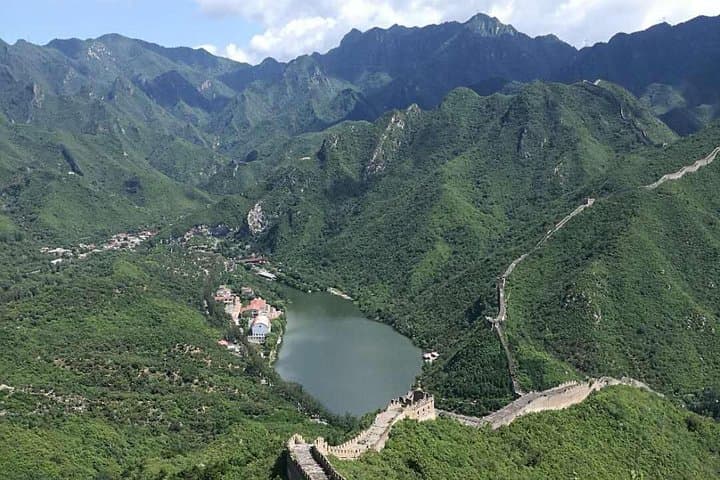
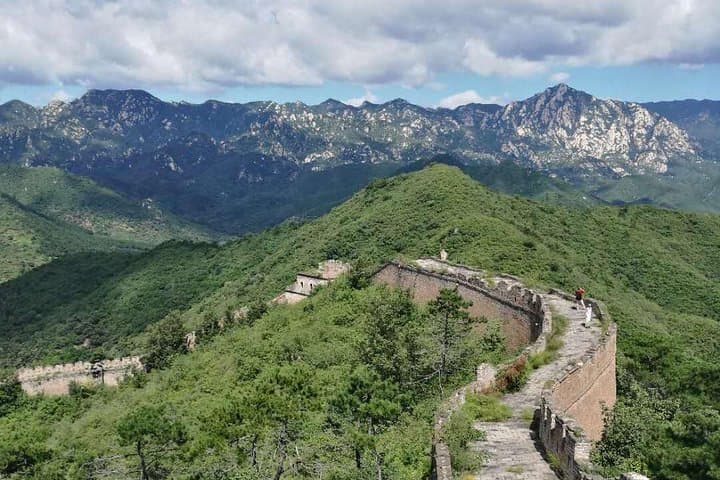
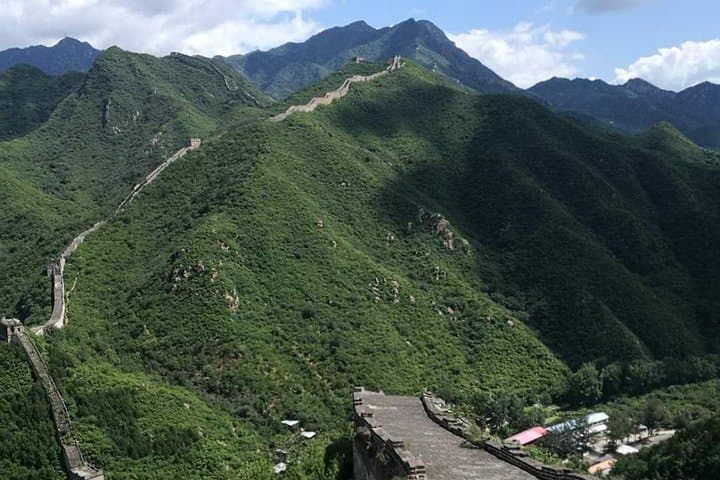
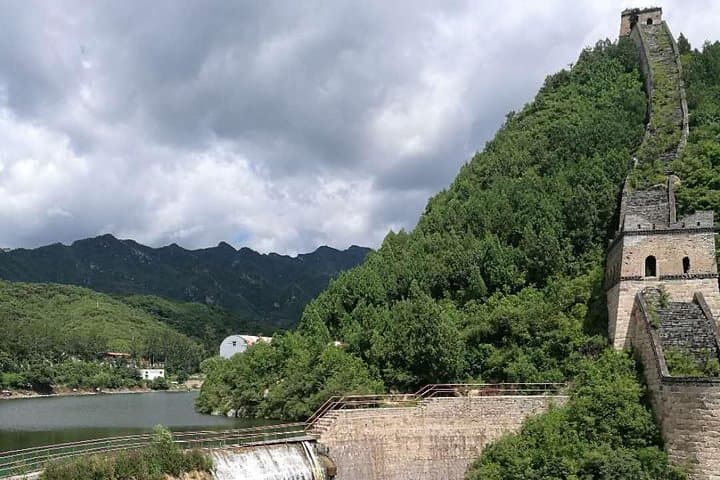
You step out of the air-conditioned vehicle onto a quiet mountainside and the Great Wall appears like a weathered spine cutting the ridge—stones jagged, mortar worn, a few towers leaning into the sky. At Huanghuacheng the wall breathes with the landscape: parts plummet into a blue reservoir, other stretches crumble into terraces of grasses and lichen. Your English-speaking guide walks beside you, pointing out arrow slits and patched repairs as the wind pushes you toward the next steep flight.
You step out of the air-conditioned vehicle onto a quiet mountainside and the Great Wall appears like a weathered spine cutting the ridge—stones jagged, mortar worn, a few towers leaning into the sky. At Huanghuacheng the wall breathes with the landscape: parts plummet into a blue reservoir, other stretches crumble into terraces of grasses and lichen. Your English-speaking guide walks beside you, pointing out arrow slits and patched repairs as the wind pushes you toward the next steep flight.
Huanghuacheng is one of Beijing’s more ruined, original sections, with visible Ming-era masonry and later collapses that reveal how local geology—granite and schist—both supports and splits the structure. The reservoir below, created by river damming in the 20th century, has flooded some stretches so the wall appears to meet water. Locals in nearby villages have farmed these slopes for generations; you’ll pass small stone paths and occasional cattle tracks that speak to a working landscape as much as to history.
Practically: this is a guided, private half-day hike that moves at your pace but includes uneven, often steep stone and loose rubble. Expect 3–6 miles of on- and off-wall walking over 4–6 hours including transfer time. Wear sturdy hiking shoes with good traction, bring at least 1–2 liters of water, and layer for wind and sun. Footing can be technical in places; anyone with moderate fitness and steady knees will find this rewarding. Photographs of the water-meets-wall sections are best in late afternoon light, while mornings are cooler for steeper climbs. Respect fragile masonry: avoid climbing on unstable towers and carry out any trash to help keep this wild stretch intact.