THE ADVENTURE COLLECTIVE® · Independent discovery and booking for outdoor travel

Learn to identify and taste wild herbs on a guided two-hour walk through the Rhoonse Grienden. Expect river views, willow groves, herbal tea, and practical foraging tips from a certified guide.
Learn to identify and taste wild herbs on a guided two-hour walk through the Rhoonse Grienden. Expect river views, willow groves, herbal tea, and practical foraging tips from a certified guide.
The guide meets the group at the small harbor parking in Rhoon; the Oude Maas breathes cool air across the mudflats and the willow groves sway as if pointing out edible leaves. Participants follow a flat trail into the Rhoonse Grienden, where reeds lean toward the river and patches of wild herbs thread the dikes.
Verified experiences and guided adventures in the surrounding area.
Operated by Natuurlijk Zeker · Rhoon, South Holland
The guide meets the group at the small harbor parking in Rhoon; the Oude Maas breathes cool air across the mudflats and the willow groves sway as if pointing out edible leaves. Participants follow a flat trail into the Rhoonse Grienden, where reeds lean toward the river and patches of wild herbs thread the dikes.
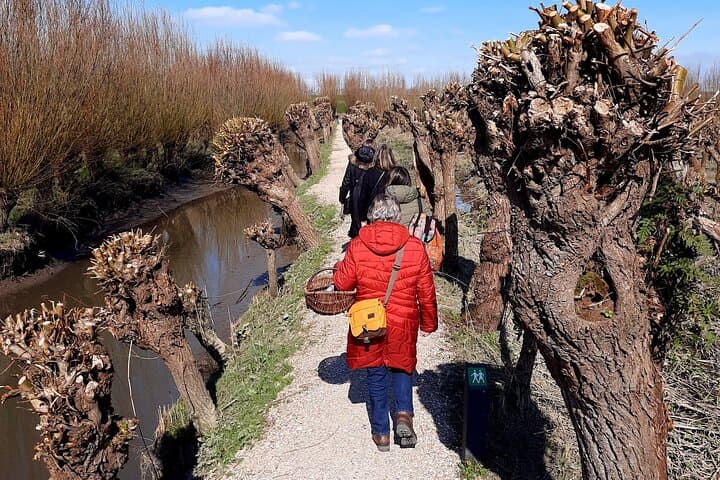
Rhoonse Grienden is a riverine reserve shaped by tidal silt and human management—‘griend’ refers to historic willow coppices once cut for basketry and fodder. The landscape reflects centuries of working with the river: clay banks, seasonal flooding, and a mosaic of mudflat, reed, and willow that supports a tight-knit ecology and local foraging traditions.
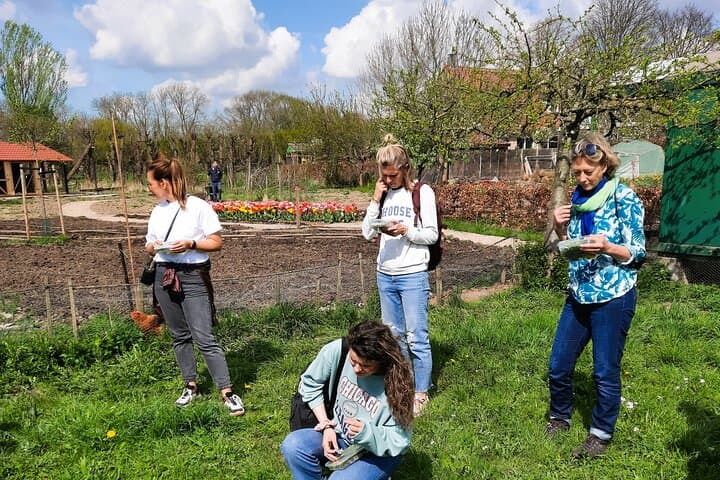
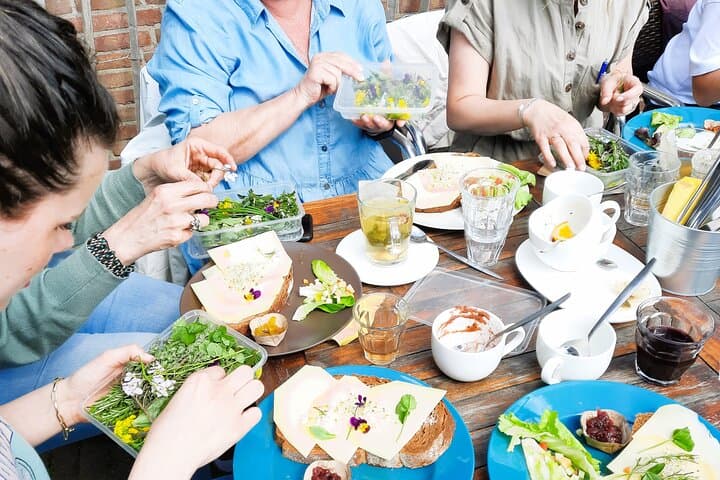
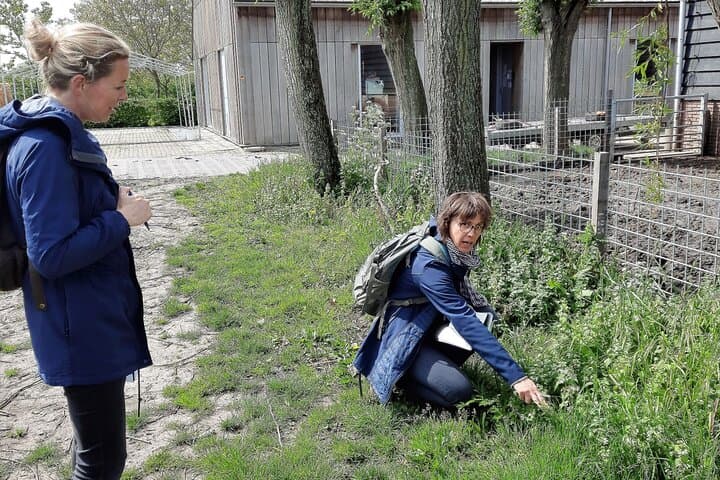
On the two-hour walk, the certified guide identifies common edible plants, explains safe harvesting practices, and demonstrates simple preparations. You’ll taste a small wild-herb snack and fresh herbal tea made on-site. The experience blends practical plant ID, brief health notes, and cultural context—how locals used willow and herbs for everyday remedies.
Practical details are straightforward: the route is mostly level and wheelchair-accessible, but light mud is possible after rain. Tours require a minimum of six attendees and are canceled for bad weather or low bookings. Wear closed shoes, bring a small bag for specimens, and come prepared for wind off the river. Expect plenty of interaction and personal advice—this walk is as much about building confidence in plants as it is about the scenery.
moderate.
2 hours.
Suitable for people with a moderate level of fitness; mostly flat walking with some standing during demonstrations.
Yes—guides explain basic identification, safe harvesting, and common uses; no prior experience required.
The tour requires a minimum of six attendees; if the minimum isn't met it will be canceled with refund according to the policy.
Guides only offer samples they identify as safe; tell the guide about allergies before tasting and avoid self-harvesting of unknown plants.
The tour notes wheelchair and stroller accessibility, but terrain can be soft after rain—contact the operator if you need specific accommodations.
The name 'griend' refers to managed willow groves historically cut for basketry and local crafts; the reserve preserves that riverine cultural landscape.
Foraging is taught with sustainability in mind—participants are asked to take minimal samples, avoid protected species, and stick to paths to protect fragile banks.
Natuurlijk Zeker operates guided outdoor trips and adventures with an emphasis on safety, stewardship, and memorable experiences.
The guide meets the group at the small harbor parking in Rhoon; the Oude Maas breathes cool air across the mudflats and the willow groves sway as if pointing out edible leaves. Participants follow a flat trail into the Rhoonse Grienden, where reeds lean toward the river and patches of wild herbs thread the dikes.
The guide meets the group at the small harbor parking in Rhoon; the Oude Maas breathes cool air across the mudflats and the willow groves sway as if pointing out edible leaves. Participants follow a flat trail into the Rhoonse Grienden, where reeds lean toward the river and patches of wild herbs thread the dikes.
Rhoonse Grienden is a riverine reserve shaped by tidal silt and human management—‘griend’ refers to historic willow coppices once cut for basketry and fodder. The landscape reflects centuries of working with the river: clay banks, seasonal flooding, and a mosaic of mudflat, reed, and willow that supports a tight-knit ecology and local foraging traditions.
On the two-hour walk, the certified guide identifies common edible plants, explains safe harvesting practices, and demonstrates simple preparations. You’ll taste a small wild-herb snack and fresh herbal tea made on-site. The experience blends practical plant ID, brief health notes, and cultural context—how locals used willow and herbs for everyday remedies.
Practical details are straightforward: the route is mostly level and wheelchair-accessible, but light mud is possible after rain. Tours require a minimum of six attendees and are canceled for bad weather or low bookings. Wear closed shoes, bring a small bag for specimens, and come prepared for wind off the river. Expect plenty of interaction and personal advice—this walk is as much about building confidence in plants as it is about the scenery.