THE ADVENTURE COLLECTIVE® · Independent discovery and booking for outdoor travel

Skip the crowds and see the Great Wall as it was—weathered, watery and rarely crowded. This half-day private tour from Beijing visits Huanghuacheng, an unrestored Ming-era stretch where stone meets reservoir and hiking feels elemental.
Skip the crowds and see the Great Wall as it was—weathered, watery and rarely crowded. This half-day private tour from Beijing visits Huanghuacheng, an unrestored Ming-era stretch where stone meets reservoir and hiking feels elemental.
You step out of an air-conditioned car and the road falls away to rough stone and a ribbon of wall that dares you to climb it. At Huanghuacheng the Great Wall keeps its original weathered face—collapsed watchtowers, loose crenellations and the occasional stretch where the wall slips into a reservoir like an old spine dipping into water.
Verified experiences and guided adventures in the surrounding area.
Operated by Wild Huanghuacheng Great Wall · Beijing, Beijing
You step out of an air-conditioned car and the road falls away to rough stone and a ribbon of wall that dares you to climb it. At Huanghuacheng the Great Wall keeps its original weathered face—collapsed watchtowers, loose crenellations and the occasional stretch where the wall slips into a reservoir like an old spine dipping into water.
Built in the Ming Dynasty about 600 years ago, this section was never smoothed into a tourist thoroughfare. Geologically the area sits on low granite ridges cut by valleys that collect runoff into small reservoirs; those lakes give Huanghuacheng its nickname as the “water” Great Wall and help create sudden, sweeping reflections of brick and sky.
Locals from nearby villages still graze fields and sell simple snacks; the culture here feels rural and direct—tea, red clay soil, and an economy that benefits from careful, low-volume tourism.
Practical guidance: the half-day tour is typically 5–6 hours including hotel pickup and return, with about 1.5–2 hours actually on the wall. Expect uneven, unrepaired masonry, short steep pitches and loose footing—good ankle support and steady balance matter. Bring sunscreen, layered clothing for wind off the reservoir, and at least 1–1.5 liters of water. Photography rewards patience; drone use is often permitted but check local rules with your guide first. Early pickups avoid Beijing traffic and give you clearer light and cooler temperatures. If you prefer solitude, request a private early-morning slot—the rawness of this wild section is the point.
moderate.
5–6 hours (including transport); 1.5–2 hours on the wall.
Should be in moderate shape: able to hike uneven terrain, climb short steep pitches and descend on loose stone
Plan on roughly 1.5–2 hours of walking on the wall during this half-day tour; total door-to-door time is about 5–6 hours depending on traffic.
No—the section visited is largely unrestored, with original Ming-era masonry, collapsed towers and uneven stonework; that’s why it’s less crowded but also rougher underfoot.
Drone use is sometimes allowed in this area but regulations change; confirm with your English-speaking guide and ensure you follow national and local rules.
Facilities are limited near the wall; bring water and snacks, and use hotel or roadside stops before the hike when possible.
Huanghuacheng’s wall was built in the Ming Dynasty roughly 600 years ago and remains largely unrestored, offering a tangible sense of the Wall’s original, working condition.
The unrestored sections are vulnerable to erosion and visitor impact—stick to established paths, avoid moving bricks, and carry out all trash to protect the stone and local habitat.
Wild Huanghuacheng Great Wall operates guided outdoor trips and adventures with an emphasis on safety, stewardship, and memorable experiences.
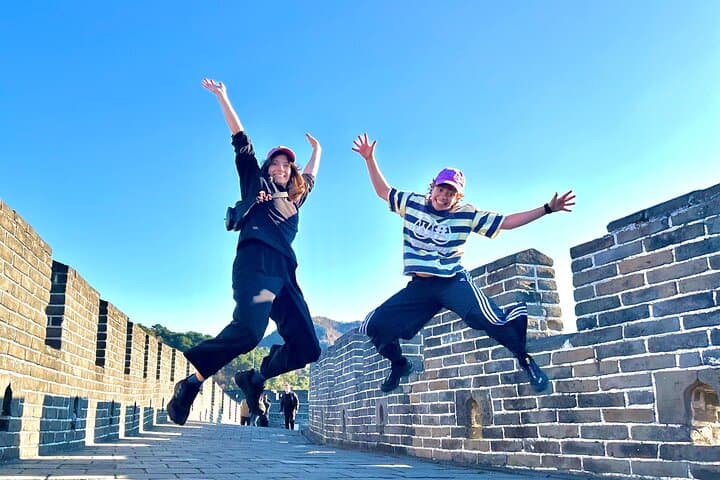
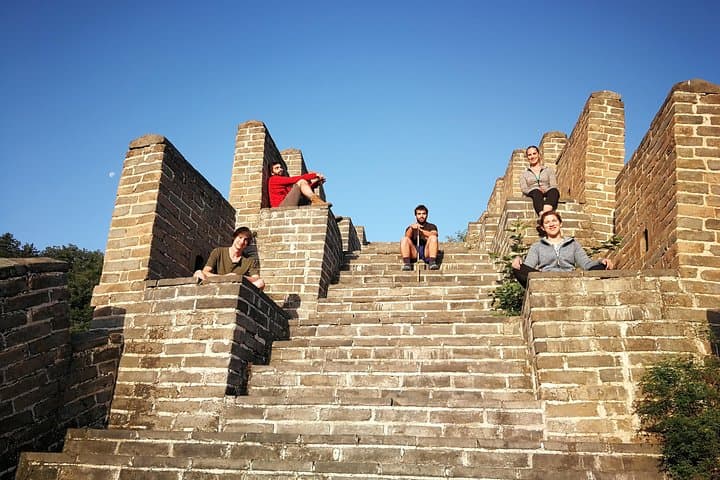
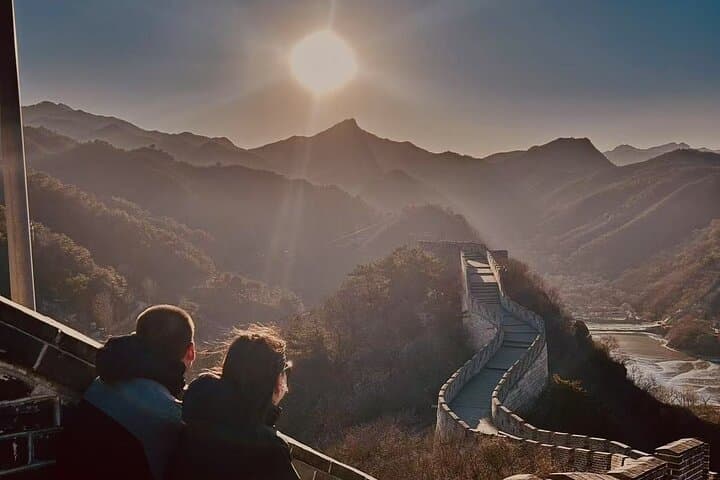
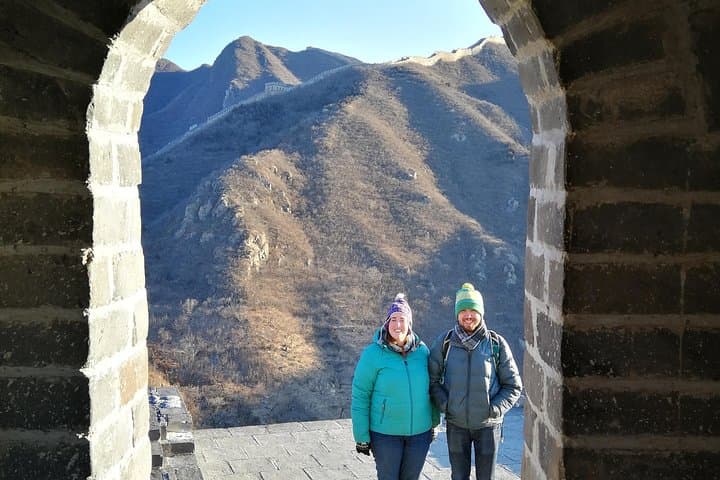
You step out of an air-conditioned car and the road falls away to rough stone and a ribbon of wall that dares you to climb it. At Huanghuacheng the Great Wall keeps its original weathered face—collapsed watchtowers, loose crenellations and the occasional stretch where the wall slips into a reservoir like an old spine dipping into water.
You step out of an air-conditioned car and the road falls away to rough stone and a ribbon of wall that dares you to climb it. At Huanghuacheng the Great Wall keeps its original weathered face—collapsed watchtowers, loose crenellations and the occasional stretch where the wall slips into a reservoir like an old spine dipping into water.
Built in the Ming Dynasty about 600 years ago, this section was never smoothed into a tourist thoroughfare. Geologically the area sits on low granite ridges cut by valleys that collect runoff into small reservoirs; those lakes give Huanghuacheng its nickname as the “water” Great Wall and help create sudden, sweeping reflections of brick and sky.
Locals from nearby villages still graze fields and sell simple snacks; the culture here feels rural and direct—tea, red clay soil, and an economy that benefits from careful, low-volume tourism.
Practical guidance: the half-day tour is typically 5–6 hours including hotel pickup and return, with about 1.5–2 hours actually on the wall. Expect uneven, unrepaired masonry, short steep pitches and loose footing—good ankle support and steady balance matter. Bring sunscreen, layered clothing for wind off the reservoir, and at least 1–1.5 liters of water. Photography rewards patience; drone use is often permitted but check local rules with your guide first. Early pickups avoid Beijing traffic and give you clearer light and cooler temperatures. If you prefer solitude, request a private early-morning slot—the rawness of this wild section is the point.