THE ADVENTURE COLLECTIVE® · Independent discovery and booking for outdoor travel

Spend four days hiking wild sections of the Great Wall—Gubeikou, Tou Liang, Jinshanling/Laodongpo and Simatai—then sleep in campsite tents under open sky. This guided private tour mixes long ridge walks, historic watchtowers and rustic village lunches.
Spend four days hiking wild sections of the Great Wall—Gubeikou, Tou Liang, Jinshanling/Laodongpo and Simatai—then sleep in campsite tents under open sky. This guided private tour mixes long ridge walks, historic watchtowers and rustic village lunches.
The morning air at Gubeikou is thin and cold on the skin, the Wall’s stones underfoot already dusted with lichen. You step onto an unguarded ridge where broken battlements rise and fall like the spine of the land; wind tugs at your jacket and the valley below dares you to look down. Over four days the route threads Gubeikou, Tou Liang, Jinshanling-Laodongpo and Simatai, alternating wild, crumbling sections with restored towers that still watch the horizon.
Verified experiences and guided adventures in the surrounding area.
Operated by China Adventure Travel Ltd · Beijing, Beijing
The morning air at Gubeikou is thin and cold on the skin, the Wall’s stones underfoot already dusted with lichen. You step onto an unguarded ridge where broken battlements rise and fall like the spine of the land; wind tugs at your jacket and the valley below dares you to look down. Over four days the route threads Gubeikou, Tou Liang, Jinshanling-Laodongpo and Simatai, alternating wild, crumbling sections with restored towers that still watch the horizon.
This stretch of the Great Wall traces Ming-era defenses and later local reuse of bricks; in the 1950s villagers salvaged masonry to build houses, leaving gaps and collapsed stretches you’ll navigate. Geologically the ridgelines are folded sedimentary foothills of the Yan Mountains, with chestnut and scrub forest clinging to terraced slopes. Local villages retain simple agricultural rhythms—corn porridge at breakfast and quiet evenings at the campsite under a wide sky.
Practically, expect varied underfoot conditions: packed stone, loose scree and overgrown steps. Daily distances range from about 3.9 to 13 miles with notable ascent (up to ~1,100 m on day two), so stagger your pace and hydrate early. Campsites include twin tents, dining and toilet tents; guides provide cooking and water. Start hikes early to avoid midday heat and bring layers for rapid temperature swings. Footwear with firm ankle support and trekking poles will make steep descents and broken watchtowers easier to manage. With steady fitness and basic hiking experience, the itinerary delivers access to the Wall’s raw character and quiet nights under the same stars that watched its builders.
challenging.
4 days.
Should be in good aerobic shape; able to hike 10+ miles with sustained elevation gain across consecutive days.
The operator provides twin-share tents and dining facilities; participants should bring a sleeping bag, personal toiletries and a small camp pillow if desired.
Travelers should have at least a moderate to good fitness level—expect consecutive days of hiking with up to 13 miles and significant elevation gain.
Yes—breakfast (3), lunches (4) and dinners (3) are included as per itinerary; guides can accommodate vegetarian requests if informed in advance.
Hotel pickup in Beijing is included but start times vary; contact the local provider to confirm your exact pickup time before departure.
This corridor of the Wall was strengthened during the Ming dynasty to guard against northern incursions; local communities later reused wall bricks for housing in the 20th century.
Wild sections are fragile—stick to existing paths, avoid removing stones or graffiti, and pack out all trash to protect the Wall’s fabric and surrounding ecosystems.
China Adventure Travel Ltd operates guided outdoor trips and adventures with an emphasis on safety, stewardship, and memorable experiences.
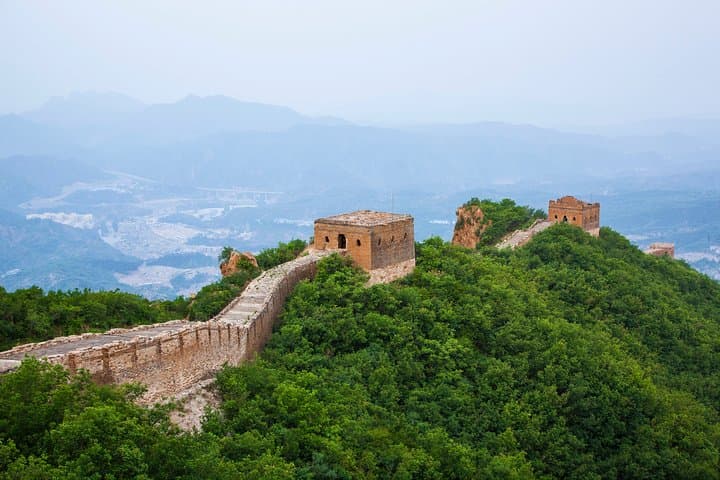
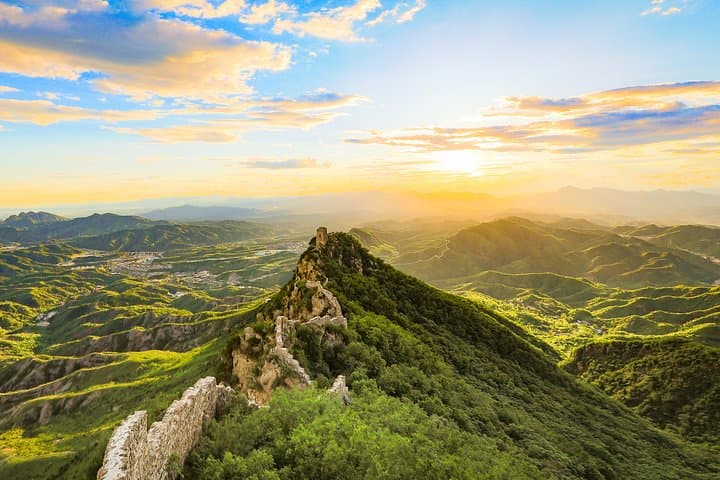
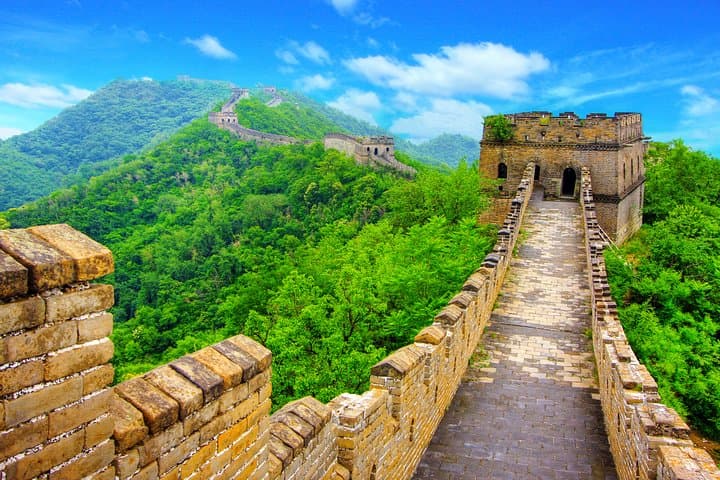
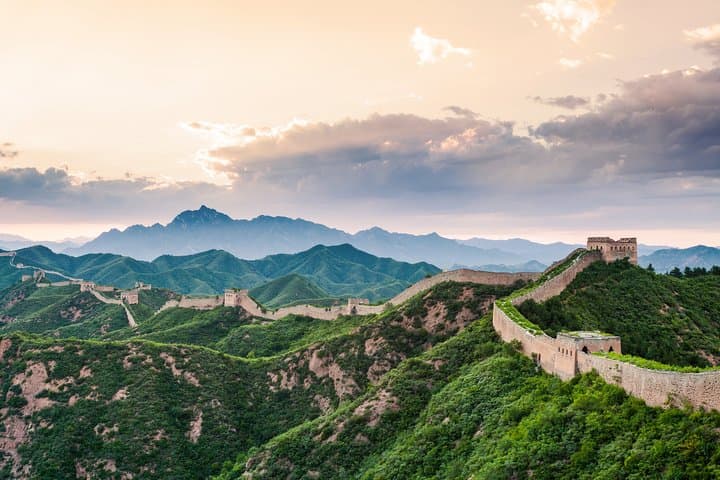
The morning air at Gubeikou is thin and cold on the skin, the Wall’s stones underfoot already dusted with lichen. You step onto an unguarded ridge where broken battlements rise and fall like the spine of the land; wind tugs at your jacket and the valley below dares you to look down. Over four days the route threads Gubeikou, Tou Liang, Jinshanling-Laodongpo and Simatai, alternating wild, crumbling sections with restored towers that still watch the horizon.
The morning air at Gubeikou is thin and cold on the skin, the Wall’s stones underfoot already dusted with lichen. You step onto an unguarded ridge where broken battlements rise and fall like the spine of the land; wind tugs at your jacket and the valley below dares you to look down. Over four days the route threads Gubeikou, Tou Liang, Jinshanling-Laodongpo and Simatai, alternating wild, crumbling sections with restored towers that still watch the horizon.
This stretch of the Great Wall traces Ming-era defenses and later local reuse of bricks; in the 1950s villagers salvaged masonry to build houses, leaving gaps and collapsed stretches you’ll navigate. Geologically the ridgelines are folded sedimentary foothills of the Yan Mountains, with chestnut and scrub forest clinging to terraced slopes. Local villages retain simple agricultural rhythms—corn porridge at breakfast and quiet evenings at the campsite under a wide sky.
Practically, expect varied underfoot conditions: packed stone, loose scree and overgrown steps. Daily distances range from about 3.9 to 13 miles with notable ascent (up to ~1,100 m on day two), so stagger your pace and hydrate early. Campsites include twin tents, dining and toilet tents; guides provide cooking and water. Start hikes early to avoid midday heat and bring layers for rapid temperature swings. Footwear with firm ankle support and trekking poles will make steep descents and broken watchtowers easier to manage. With steady fitness and basic hiking experience, the itinerary delivers access to the Wall’s raw character and quiet nights under the same stars that watched its builders.