THE ADVENTURE COLLECTIVE® · Independent discovery and booking for outdoor travel

Climb a modest lighthouse hill, comb a windswept shell beach and visit a village and working vegetable farm on this 7‑hour cultural drive across eastern Boa Vista. Expect easy walking, strong trade winds and a home-cooked lunch with local produce.
Climb a modest lighthouse hill, comb a windswept shell beach and visit a village and working vegetable farm on this 7‑hour cultural drive across eastern Boa Vista. Expect easy walking, strong trade winds and a home-cooked lunch with local produce.
You step off the minibus onto a heat-polished track and the island wind meets you first—sharp, saline, insistent. Ahead, Morro Negro rises as a low, scabbed hill; a squat, decommissioned lighthouse perches at its crown and dares you to climb the 150 m ascent that takes about 10–15 minutes on foot. From the top the Atlantic stretches hard and bright, dunes folding toward the horizon and small coves puncturing the shoreline.
Verified experiences and guided adventures in the surrounding area.
Operated by Rotcha-Tours · Sal Rei, Boa Vista
You step off the minibus onto a heat-polished track and the island wind meets you first—sharp, saline, insistent. Ahead, Morro Negro rises as a low, scabbed hill; a squat, decommissioned lighthouse perches at its crown and dares you to climb the 150 m ascent that takes about 10–15 minutes on foot. From the top the Atlantic stretches hard and bright, dunes folding toward the horizon and small coves puncturing the shoreline.
Boa Vista’s landscape is volcanic rock worn into sand and salt flats; centuries of trade and fishing show in scattered settlements and a simple church in Fundo das Figueiras. That village still moves at local pace—colorful painted houses, narrow lanes and agricultural plots fed by scarce groundwater. At a small vegetable farm you’ll see how residents coax crops from arid soil; farmer Teta often prepares a home-style lunch that highlights local produce and Cape Verdean flavors.
Shell Beach is a short stop—bring your eyes rather than high expectations; you may find fan shells among the wind-rolled debris, but live specimens should be left. The route back follows a wide island road locals call Route 66, a good stretch for watching the landscape change from scrub to dune.
Practicalities: the tour runs about seven hours, with light walking and one short climb; sun protection, a full water bottle and sturdy shoes make the day easier. Expect steady trade winds, sandy shoes and friendly local encounters; the pace is relaxed but the sun is not. Respect private farms and local customs, and you’ll come away with a clear picture of Boa Vista beyond the resort strip.
easy.
~7 hours.
Suitable for most people who can walk 10–20 minutes up a short, uneven hill; not strenuous.
The hill is about 150 m high and typically takes 10–15 minutes to ascend at a steady pace; paths are informal and uneven.
You may find fan and other empty shells washed ashore, but finds are not guaranteed and live shells should not be collected.
The tour involves walking on uneven sandy tracks and a short hill climb; it’s not recommended for travelers with serious back or heart problems.
Yes—lunch at a local restaurant or the farm usually features simple, home-cooked Cape Verdean dishes made with island-grown vegetables.
The lighthouse is a decommissioned navigational point marking eastern Boa Vista; the island’s villages reflect Portuguese colonial history blended with Creole culture.
Boa Vista’s ecosystems are fragile—stay on established tracks, avoid removing shells or disturbing dune vegetation, and support local guides to benefit communities.
Rotcha-Tours operates guided outdoor trips and adventures with an emphasis on safety, stewardship, and memorable experiences.
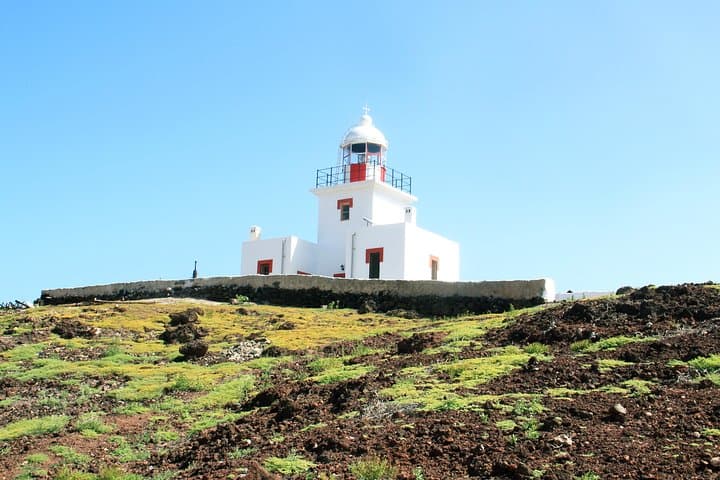
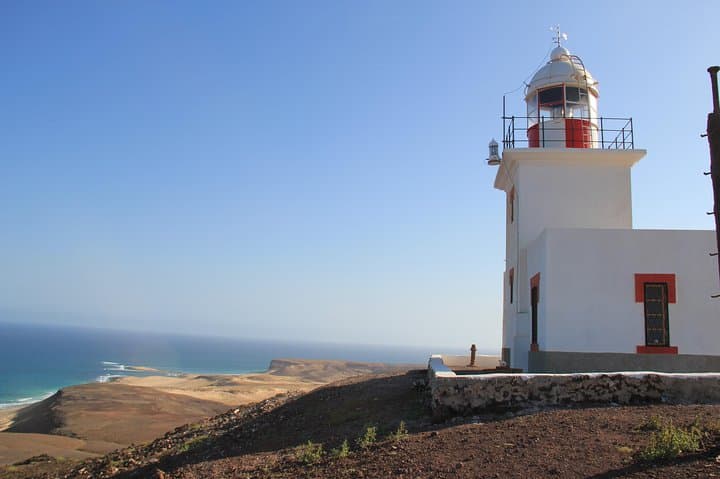
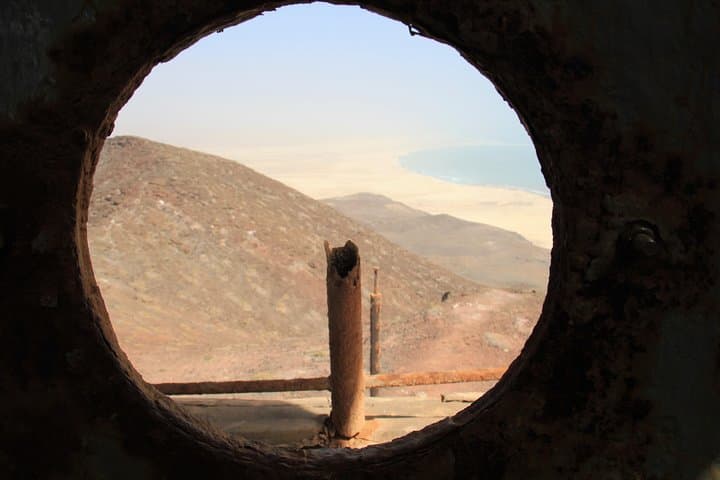
You step off the minibus onto a heat-polished track and the island wind meets you first—sharp, saline, insistent. Ahead, Morro Negro rises as a low, scabbed hill; a squat, decommissioned lighthouse perches at its crown and dares you to climb the 150 m ascent that takes about 10–15 minutes on foot. From the top the Atlantic stretches hard and bright, dunes folding toward the horizon and small coves puncturing the shoreline.
You step off the minibus onto a heat-polished track and the island wind meets you first—sharp, saline, insistent. Ahead, Morro Negro rises as a low, scabbed hill; a squat, decommissioned lighthouse perches at its crown and dares you to climb the 150 m ascent that takes about 10–15 minutes on foot. From the top the Atlantic stretches hard and bright, dunes folding toward the horizon and small coves puncturing the shoreline.
Boa Vista’s landscape is volcanic rock worn into sand and salt flats; centuries of trade and fishing show in scattered settlements and a simple church in Fundo das Figueiras. That village still moves at local pace—colorful painted houses, narrow lanes and agricultural plots fed by scarce groundwater. At a small vegetable farm you’ll see how residents coax crops from arid soil; farmer Teta often prepares a home-style lunch that highlights local produce and Cape Verdean flavors.
Shell Beach is a short stop—bring your eyes rather than high expectations; you may find fan shells among the wind-rolled debris, but live specimens should be left. The route back follows a wide island road locals call Route 66, a good stretch for watching the landscape change from scrub to dune.
Practicalities: the tour runs about seven hours, with light walking and one short climb; sun protection, a full water bottle and sturdy shoes make the day easier. Expect steady trade winds, sandy shoes and friendly local encounters; the pace is relaxed but the sun is not. Respect private farms and local customs, and you’ll come away with a clear picture of Boa Vista beyond the resort strip.