THE ADVENTURE COLLECTIVE® · Independent discovery and booking for outdoor travel

Trace the braided channels of the UNESCO-listed Danube Delta on a full-day speedboat outing from Bucharest. Expect close bird encounters, reed-lined canals, and a fast-paced look into one of Europe’s richest wetlands.
Trace the braided channels of the UNESCO-listed Danube Delta on a full-day speedboat outing from Bucharest. Expect close bird encounters, reed-lined canals, and a fast-paced look into one of Europe’s richest wetlands.
Morning light hits the reedbeds as the coach eases out of Bucharest and the city gives way to long fields. By the time you reach Tulcea the air smells of river mud and water lilies; a quick transfer and you’re already skimming a narrow channel, reeds whispering at the hull. The speedboat pushes through braided waterways, and the delta begins to reveal itself: islands of tamarisk, shallow lakes freckled with fish-eating cormorants, and pelicans that make even seasoned birders pause.
Verified experiences and guided adventures in the surrounding area.
Morning light hits the reedbeds as the coach eases out of Bucharest and the city gives way to long fields. By the time you reach Tulcea the air smells of river mud and water lilies; a quick transfer and you’re already skimming a narrow channel, reeds whispering at the hull. The speedboat pushes through braided waterways, and the delta begins to reveal itself: islands of tamarisk, shallow lakes freckled with fish-eating cormorants, and pelicans that make even seasoned birders pause.
The Danube Delta is Europe’s largest continuous marshland and a living archive of sediment, river dynamics and local fishing cultures. Formed where the Danube spills into the Black Sea, the delta supports traditional villages—Mila 23, Letea—whose livelihoods still hinge on seasonal flooding and reeds. Guides on this tour combine natural history with local stories while pointing out subtle geological shifts that created the labyrinth of channels.
Practical details are straightforward: the outing departs early from Bucharest with hotel pickup, reaches Tulcea for boarding, and returns the same day. Expect several hours on a fast boat with short stops for photos and wildlife viewing; binoculars and a good camera are worth bringing. Wear layered clothing and non-slip shoes—mornings can be cool, afternoons hot. Hydration and sun protection matter; mobile reception in the heart of the delta is patchy, so plan logistics beforehand. For an efficient introduction to the UNESCO-listed wetlands, this speedboat day trip delivers concentrated wildlife viewing, sharp landscape contrasts, and a clear sense of how people and water shape one another in the Danube Delta.
easy.
12 hours.
Light physical fitness—mostly sitting on the boat with short walks during stops; able-bodied mobility helps for boarding.
The full-day excursion runs about 12 hours door-to-door, with coach transfer to Tulcea, a speedboat segment of roughly 3–4 hours, and return travel to Bucharest.
Wildlife sightings are common—pelicans, herons and cormorants are frequent—but animals are wild and sightings cannot be guaranteed.
The tour is family-friendly but not recommended for pregnant travelers; children should be supervised during boarding and on the boat.
Restroom access is limited; there are basic facilities in Tulcea before boarding, and boats may have minimal or no facilities depending on size.
The delta formed over millennia as the Danube deposited silt at its mouth; communities here developed unique reedcraft and fishing traditions shaped by seasonal floods.
Much of the delta is protected as a UNESCO biosphere reserve; stick to guided routes and avoid disturbing nesting birds to reduce your impact.
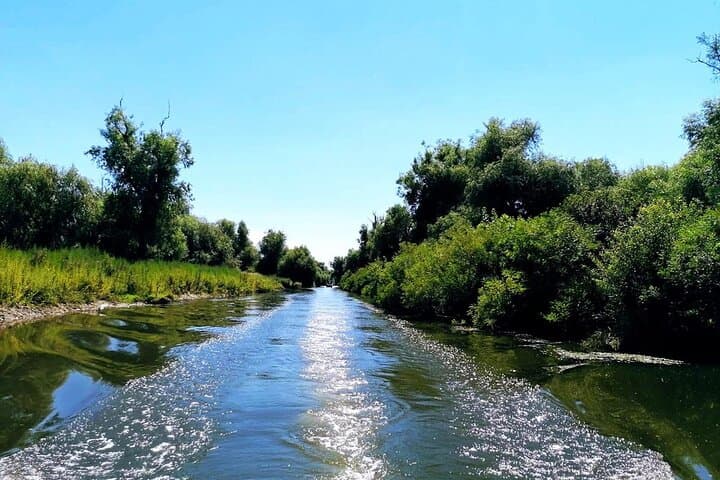
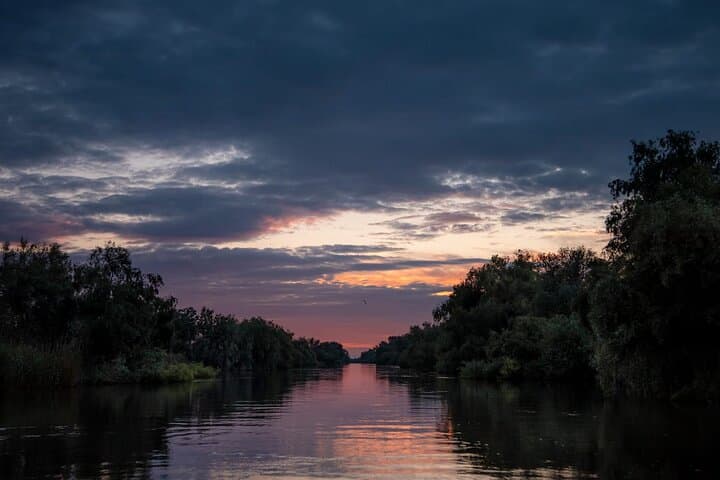
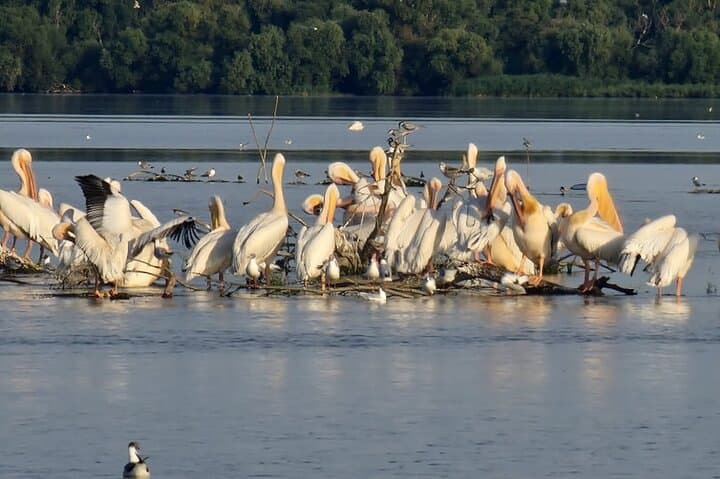
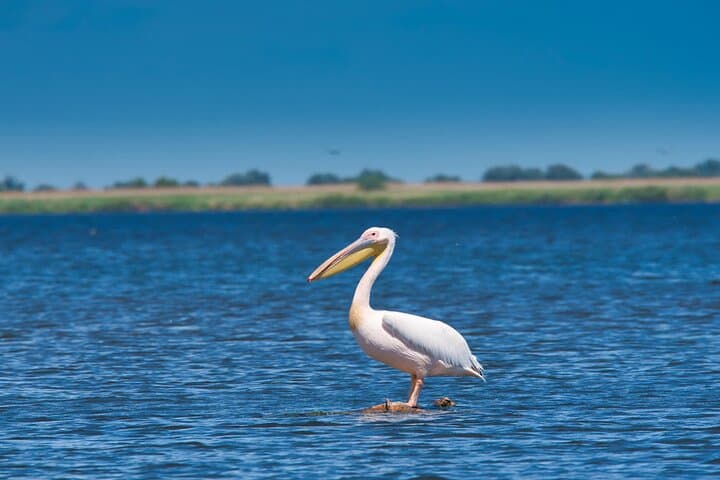
Morning light hits the reedbeds as the coach eases out of Bucharest and the city gives way to long fields. By the time you reach Tulcea the air smells of river mud and water lilies; a quick transfer and you’re already skimming a narrow channel, reeds whispering at the hull. The speedboat pushes through braided waterways, and the delta begins to reveal itself: islands of tamarisk, shallow lakes freckled with fish-eating cormorants, and pelicans that make even seasoned birders pause.
Morning light hits the reedbeds as the coach eases out of Bucharest and the city gives way to long fields. By the time you reach Tulcea the air smells of river mud and water lilies; a quick transfer and you’re already skimming a narrow channel, reeds whispering at the hull. The speedboat pushes through braided waterways, and the delta begins to reveal itself: islands of tamarisk, shallow lakes freckled with fish-eating cormorants, and pelicans that make even seasoned birders pause.
The Danube Delta is Europe’s largest continuous marshland and a living archive of sediment, river dynamics and local fishing cultures. Formed where the Danube spills into the Black Sea, the delta supports traditional villages—Mila 23, Letea—whose livelihoods still hinge on seasonal flooding and reeds. Guides on this tour combine natural history with local stories while pointing out subtle geological shifts that created the labyrinth of channels.
Practical details are straightforward: the outing departs early from Bucharest with hotel pickup, reaches Tulcea for boarding, and returns the same day. Expect several hours on a fast boat with short stops for photos and wildlife viewing; binoculars and a good camera are worth bringing. Wear layered clothing and non-slip shoes—mornings can be cool, afternoons hot. Hydration and sun protection matter; mobile reception in the heart of the delta is patchy, so plan logistics beforehand. For an efficient introduction to the UNESCO-listed wetlands, this speedboat day trip delivers concentrated wildlife viewing, sharp landscape contrasts, and a clear sense of how people and water shape one another in the Danube Delta.