THE ADVENTURE COLLECTIVE® · Independent discovery and booking for outdoor travel

Three days across Lewis and Harris deliver towering mountains, white-sand beaches and centuries of Gaelic and Norse history. This small-group tour from Inverness combines ferry crossings, blackhouse visits and coastal walks for an efficient taste of the Outer Hebrides.
Three days across Lewis and Harris deliver towering mountains, white-sand beaches and centuries of Gaelic and Norse history. This small-group tour from Inverness combines ferry crossings, blackhouse visits and coastal walks for an efficient taste of the Outer Hebrides.
You step onto the ferry before dawn, the Minch opening like a cool palm and the Summer Isles sliding starboard as the mainland recedes. Salt and peat smoke mix in the air; by mid-morning the white sweep of Luskentyre appears — a flat, near-tropical stretch of sand that dares you to kick off your boots and compare it to a postcard.
Verified experiences and guided adventures in the surrounding area.
Operated by Rabbies Trail Burners · Stornoway, Outer Hebrides
You step onto the ferry before dawn, the Minch opening like a cool palm and the Summer Isles sliding starboard as the mainland recedes. Salt and peat smoke mix in the air; by mid-morning the white sweep of Luskentyre appears — a flat, near-tropical stretch of sand that dares you to kick off your boots and compare it to a postcard.
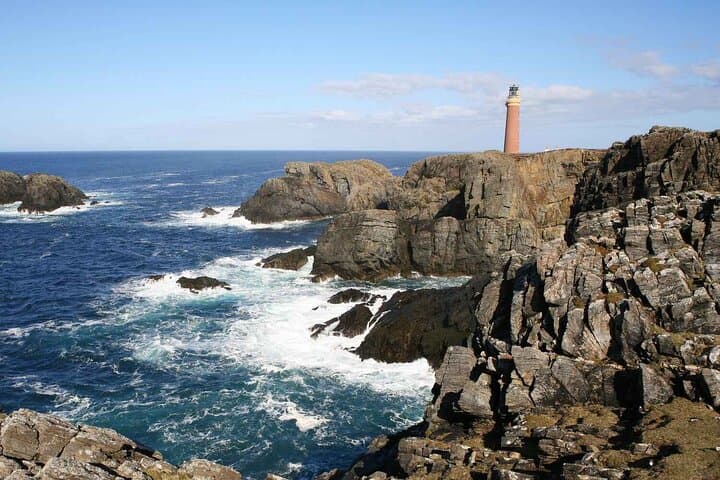
The islands wear time differently. Lewis is underlain by Lewisian gneiss, some of the oldest rocks in Europe, and those stones have shaped human stories here for millennia: Iron Age brochs such as Carloway, Norse place-names, and crofting communities that produced Harris Tweed by hand. Guides on small-group trips stitch these threads together — blackhouses at Arnol, the lighthouse at the Butt of Lewis, and deserted crofts that speak to tough island lives.
Expect a rhythm of short drives, ferry crossings, and walking on uneven beach or peat tracks rather than strenuous hikes. Weather is the organizer; wind scours cliffs, rain can arrive in an hour, and bright afternoons turn the sea turquoise. Logistics are straightforward: two nights en-suite accommodation in Stornoway, guided minicoach transport and a Caledonian MacBrayne ferry crossing are included. Note: Calanais (Callanish) Stone Circle access is restricted for preservation until Spring 2026; itineraries use extra beach time instead.
Practical prep: pack layered waterproofs, sturdy shoes for wet sand and peaty tracks, limited luggage (14kg), and an appetite for geology, Gaelic culture and wide horizons. Time your camera for low sun and bring patience — the islands reveal themselves slowly, on the tide and with a keen eye.
easy.
3 days.
Suitable for most fitness levels; expect short walks on uneven sand, rocky shorelines and low-grade trails.
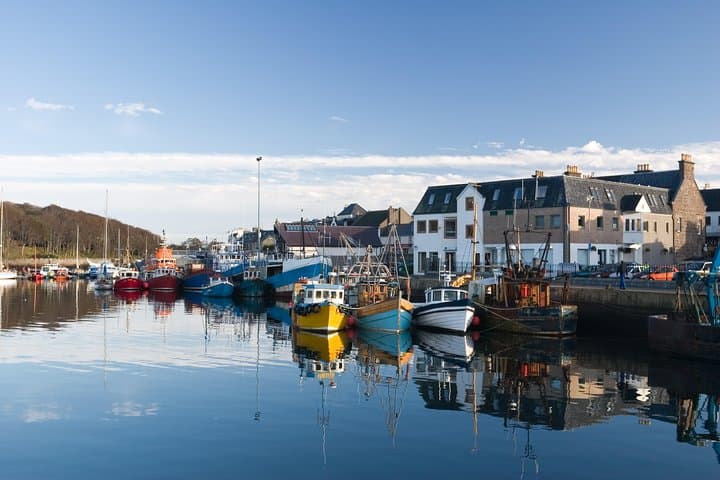
The ferry from Ullapool to Stornoway takes roughly 2.5–3 hours depending on the sailing; crossings are included in the tour price.
Minimum age is 5 years; the tour involves ferry travel and variable weather which may be challenging for very young children.
Callanish access is restricted for preservation until Spring 2026; the operator replaces that stop with additional time on west coast beaches during current departures.
Short walks are required; notify the operator in advance about reduced mobility so they can advise on suitability and assistance options.
Lewis and Harris combine ancient geology (Lewisian gneiss) with layered human history: Iron Age brochs, Norse settlements and a living Gaelic crofting tradition that produced Harris Tweed.
Machair dunes and nesting bird habitats are fragile; follow guides, keep dogs on leads, and pack out all waste to limit erosion and disturbance.
Rabbies Trail Burners operates guided outdoor trips and adventures with an emphasis on safety, stewardship, and memorable experiences.

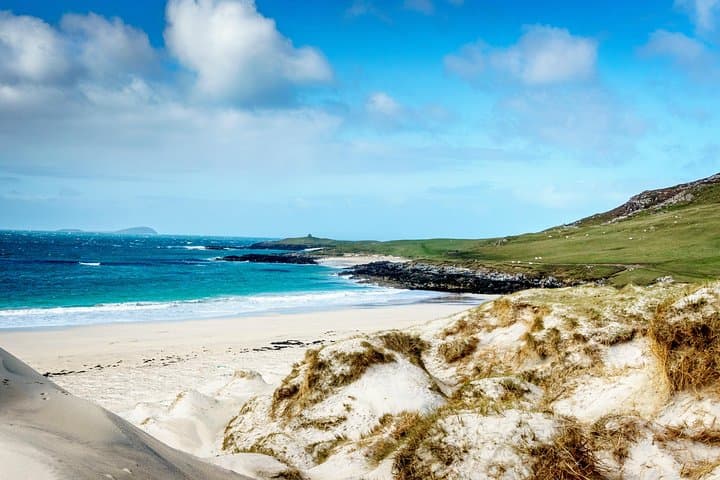
You step onto the ferry before dawn, the Minch opening like a cool palm and the Summer Isles sliding starboard as the mainland recedes. Salt and peat smoke mix in the air; by mid-morning the white sweep of Luskentyre appears — a flat, near-tropical stretch of sand that dares you to kick off your boots and compare it to a postcard.
You step onto the ferry before dawn, the Minch opening like a cool palm and the Summer Isles sliding starboard as the mainland recedes. Salt and peat smoke mix in the air; by mid-morning the white sweep of Luskentyre appears — a flat, near-tropical stretch of sand that dares you to kick off your boots and compare it to a postcard.
The islands wear time differently. Lewis is underlain by Lewisian gneiss, some of the oldest rocks in Europe, and those stones have shaped human stories here for millennia: Iron Age brochs such as Carloway, Norse place-names, and crofting communities that produced Harris Tweed by hand. Guides on small-group trips stitch these threads together — blackhouses at Arnol, the lighthouse at the Butt of Lewis, and deserted crofts that speak to tough island lives.
Expect a rhythm of short drives, ferry crossings, and walking on uneven beach or peat tracks rather than strenuous hikes. Weather is the organizer; wind scours cliffs, rain can arrive in an hour, and bright afternoons turn the sea turquoise. Logistics are straightforward: two nights en-suite accommodation in Stornoway, guided minicoach transport and a Caledonian MacBrayne ferry crossing are included. Note: Calanais (Callanish) Stone Circle access is restricted for preservation until Spring 2026; itineraries use extra beach time instead.
Practical prep: pack layered waterproofs, sturdy shoes for wet sand and peaty tracks, limited luggage (14kg), and an appetite for geology, Gaelic culture and wide horizons. Time your camera for low sun and bring patience — the islands reveal themselves slowly, on the tide and with a keen eye.