THE ADVENTURE COLLECTIVE® · Independent discovery and booking for outdoor travel

A concentrated five-day trek across the Southern Carpathians: Bucegi’s plateau, Bran’s castle and Brașov’s medieval heart combine panoramic hiking, shepherding culture and compact mountain history. Expect 2–6 hour daily hikes with cable car access to the high plateau.
A concentrated five-day trek across the Southern Carpathians: Bucegi’s plateau, Bran’s castle and Brașov’s medieval heart combine panoramic hiking, shepherding culture and compact mountain history. Expect 2–6 hour daily hikes with cable car access to the high plateau.
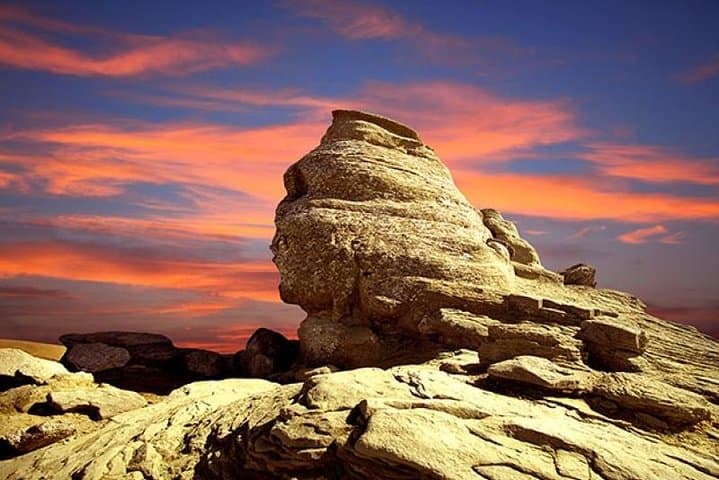
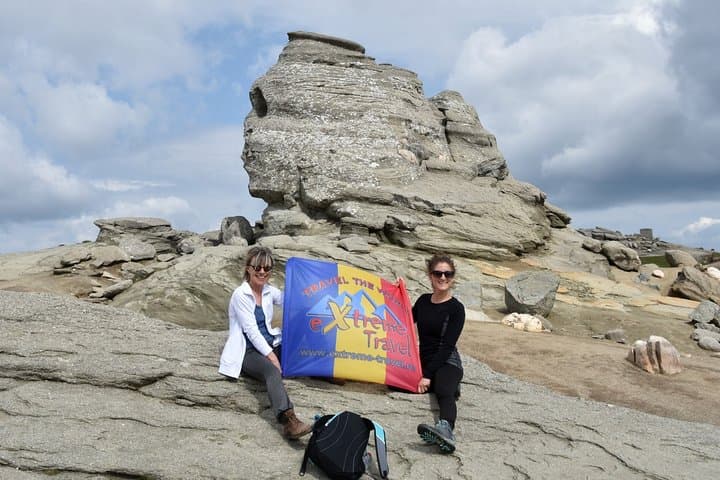
A wind-cut ridge opens underfoot as the cable car eases onto the Bucegi Plateau: stone mushrooms, the carved Sphinx and Babele rock formations stand like weathered guardians above the Prahova Valley. Hikers step out into air that feels thinner, colder and full of history—an immediate reminder that this is a mountain range that shaped borders, legends and livelihoods.
Verified experiences and guided adventures in the surrounding area.
Operated by Extreme Travel · Sinaia, Prahova County
A wind-cut ridge opens underfoot as the cable car eases onto the Bucegi Plateau: stone mushrooms, the carved Sphinx and Babele rock formations stand like weathered guardians above the Prahova Valley. Hikers step out into air that feels thinner, colder and full of history—an immediate reminder that this is a mountain range that shaped borders, legends and livelihoods.
Over five days the route threads natural and cultural layers: Peles Castle’s 19th-century royal woodwork and ornate façades, the Bucegi massif of limestone and crystalline schists at roughly 2,200 m a.s.l., the shepherding culture of Moeciu and the medieval ramparts of Brașov and Bran—where Dracula lore has comfortably eclipsed complex Transylvanian history. Geologically the Bucegi are a high plateau carved by glacial action and erosion, producing steep canyons like Valea Horoabelor and isolated limestone outcrops.
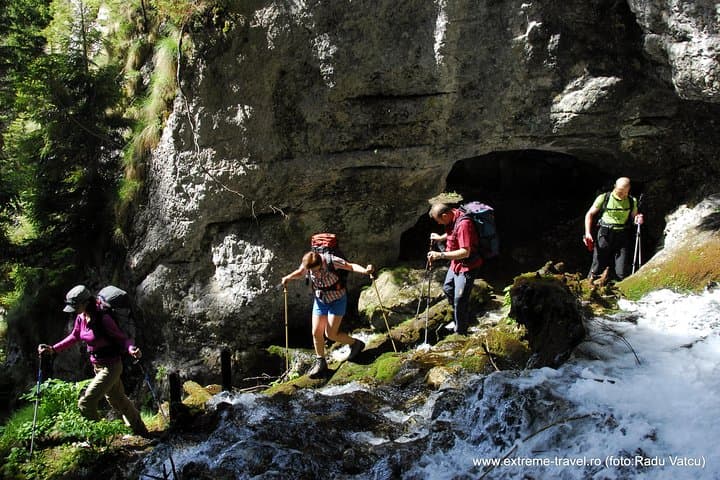
Practically, expect daily transfers by private vehicle and two to six hours of trekking on varied terrain: exposed plateaus, scree slopes, carved canyons and forested descents. Elevation gain is moderate—cable car access limits high climbs—but trails require sure footing and basic mountain navigation. Accommodation alternates between guesthouses and a chalet; national park fees and a guide are included.
Pack layered clothing for fast weather shifts, waterproofs, sturdy boots and snacks—hot tea at Babele hut is a reliable morale boost. Travel in spring–autumn for clearer trails; winter conditions demand technical gear. The trip balances panoramic peaks, intimate cultural stops and a practical, walkable pace that delivers a concentrated taste of the Southern Carpathians.
moderate.
5 days.
Participants should have a moderate level of fitness: comfortable with sustained 3–6 hour walks on uneven terrain and stair/cable-car transfers.
A moderate fitness level is recommended—hikes last 2–6 hours with some sustained climbs and uneven terrain; no technical mountaineering is required.
Yes—private transport between stops, national park fees, a professional guide and accommodation per itinerary are included; check specifics for optional visits like Peles timing.
Children can join but must be accompanied by an adult; organizers note the trip is not recommended for those with poor cardiovascular health or for pregnant travelers.
Late spring to early autumn (May–September) offers the most reliable trail conditions; winter trips require technical gear and experience.
The route links 19th-century Romanian royal history (Peleș Castle) with older Transylvanian pastoral traditions and folklore—Bran Castle’s Dracula association is a 20th-century tourist overlay on medieval fortifications.
The Bucegi area is part of protected national park lands—stay on marked trails, pack out waste and respect seasonal grazing areas to minimize impact.
Extreme Travel operates guided outdoor trips and adventures with an emphasis on safety, stewardship, and memorable experiences.
A wind-cut ridge opens underfoot as the cable car eases onto the Bucegi Plateau: stone mushrooms, the carved Sphinx and Babele rock formations stand like weathered guardians above the Prahova Valley. Hikers step out into air that feels thinner, colder and full of history—an immediate reminder that this is a mountain range that shaped borders, legends and livelihoods.
A wind-cut ridge opens underfoot as the cable car eases onto the Bucegi Plateau: stone mushrooms, the carved Sphinx and Babele rock formations stand like weathered guardians above the Prahova Valley. Hikers step out into air that feels thinner, colder and full of history—an immediate reminder that this is a mountain range that shaped borders, legends and livelihoods.
Over five days the route threads natural and cultural layers: Peles Castle’s 19th-century royal woodwork and ornate façades, the Bucegi massif of limestone and crystalline schists at roughly 2,200 m a.s.l., the shepherding culture of Moeciu and the medieval ramparts of Brașov and Bran—where Dracula lore has comfortably eclipsed complex Transylvanian history. Geologically the Bucegi are a high plateau carved by glacial action and erosion, producing steep canyons like Valea Horoabelor and isolated limestone outcrops.
Practically, expect daily transfers by private vehicle and two to six hours of trekking on varied terrain: exposed plateaus, scree slopes, carved canyons and forested descents. Elevation gain is moderate—cable car access limits high climbs—but trails require sure footing and basic mountain navigation. Accommodation alternates between guesthouses and a chalet; national park fees and a guide are included.
Pack layered clothing for fast weather shifts, waterproofs, sturdy boots and snacks—hot tea at Babele hut is a reliable morale boost. Travel in spring–autumn for clearer trails; winter conditions demand technical gear. The trip balances panoramic peaks, intimate cultural stops and a practical, walkable pace that delivers a concentrated taste of the Southern Carpathians.