THE ADVENTURE COLLECTIVE® · Independent discovery and booking for outdoor travel

Embark on a guided wild brown trout fishing experience along Connemara’s scenic Ballynahinch River. With expert local support, cast your line in nutrient-poor waters where trout eagerly rise to meet your fly. Discover a blend of challenge and tranquility in western Ireland’s rugged outdoors.
Embark on a guided wild brown trout fishing experience along Connemara’s scenic Ballynahinch River. With expert local support, cast your line in nutrient-poor waters where trout eagerly rise to meet your fly. Discover a blend of challenge and tranquility in western Ireland’s rugged outdoors.
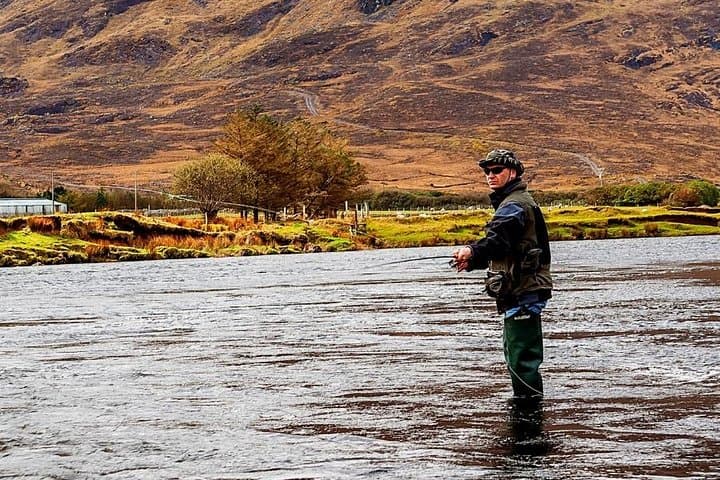
The Ballynahinch River threads its way through Connemara’s rugged landscape, its clear waters daring anglers to test their skills against the wild brown trout native to this corner of western Ireland. As the morning mist melts off the river’s surface, the quiet is punctuated only by the occasional splash — a trout rising to meet a dry fly or slyly chasing a nymph beneath the surface. This is wild trout fishing in Connemara: an experience where the environment is as much a part of the challenge as the fish itself.
Verified experiences and guided adventures in the surrounding area.
Operated by Ireland Wild Escapes · Clifden, Connemara
The Ballynahinch River threads its way through Connemara’s rugged landscape, its clear waters daring anglers to test their skills against the wild brown trout native to this corner of western Ireland. As the morning mist melts off the river’s surface, the quiet is punctuated only by the occasional splash — a trout rising to meet a dry fly or slyly chasing a nymph beneath the surface. This is wild trout fishing in Connemara: an experience where the environment is as much a part of the challenge as the fish itself.
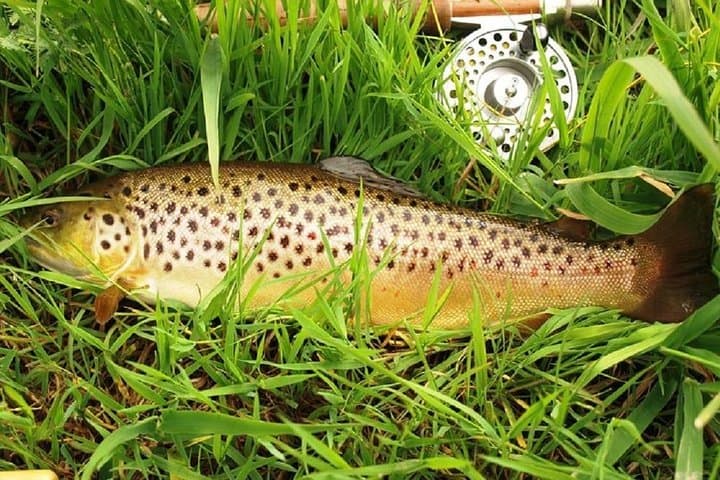
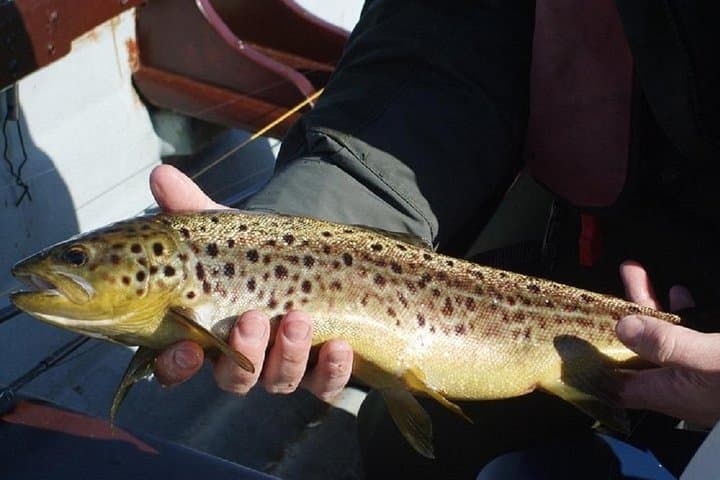
Connemara’s geology shapes much of the fishing here. Acidic soils and rocky outcrops deliver nutrient-poor waters, meaning trout must adapt and feed selectively. The interconnected network of lakes and rivers—"loughs" and streams—maintains trout populations that typically range from one to two pounds, with the occasional "ferox" brown trout lurking in deeper lakes, preying on smaller fish. The fishing season stretches from March through September, kicking off with early hatches in April before caddis and crane flies take center stage in late spring and summer.
This guided day trip centers on Ballynahinch River, known for dependable runs of wild trout. Accompanied by a French-speaking ghillie with local expertise, anglers receive in-depth advice on fly selection and strategies tailored to current conditions. The ghillie’s intimate knowledge of the water’s moods means clients are positioned for success, whether casting dry flies on risers in the calm shallows or teasing trout with wet flies and nymphs where currents push relentlessly.
Fishing groups are small—one to three anglers—to ensure personalized attention. The day lasts approximately eight hours, providing time to explore multiple water sections, each with distinct terrain: shallow riffles framed by ancient oak groves, deeper pools shadowed by rugged cliffs, and quiet stretches where trout rise cautiously but eagerly.
Travellers planning this trip should dress in layers suitable for Irish weather—expect brisk mornings and occasional rain showers. Waders and sturdy footwear that grip rocky riverbeds are essential. Since flies are not provided, bringing a selection tailored to local hatch patterns will improve success. Hydration and packed lunch keep spirits buoyed as the river bends and flows.
Ballynahinch Castle, the meeting point, adds a touch of historical charm; the estate has maintained these fisheries for decades, supporting conservation efforts that protect native trout populations and preserve water quality. Anglers here tread lightly, helping sustain this delicate ecosystem.
For those seeking a blend of challenge, solitude, and local insight, Ballynahinch River fishing offers a grounded adventure: where nature’s subtle signals meet human skill, and every cast invites a new conversation with the wild trout of Connemara.
easy.
6–8 hours.
Suitable for all fitness levels; requires ability to stand and wade for extended periods
Fishing gear is provided except for flies, lures, and baits, which guests should bring to match local insect hatches.
No, the guided experience is suitable for beginners, with expert instruction available from the ghillie.
Trips may be canceled in bad weather to ensure safety, and all sales are final with no refunds available.
Catch regulations apply to protect wild trout; your guide will inform you about sustainable practices on the day.
Groups are limited to a maximum of three fishermen to ensure personalized guidance and access to prime fishing spots.
The season runs from March to September, with peak insect hatches in May and June offering the best fishing conditions.
Ballynahinch fisheries have been managed for over a century, balancing angling heritage with conservation.
The fishery enforces catch limits and habitat preservation to maintain wild trout populations amid sensitive acidic waters.
Ireland Wild Escapes operates guided outdoor trips and adventures with an emphasis on safety, stewardship, and memorable experiences.
The Ballynahinch River threads its way through Connemara’s rugged landscape, its clear waters daring anglers to test their skills against the wild brown trout native to this corner of western Ireland. As the morning mist melts off the river’s surface, the quiet is punctuated only by the occasional splash — a trout rising to meet a dry fly or slyly chasing a nymph beneath the surface. This is wild trout fishing in Connemara: an experience where the environment is as much a part of the challenge as the fish itself.
The Ballynahinch River threads its way through Connemara’s rugged landscape, its clear waters daring anglers to test their skills against the wild brown trout native to this corner of western Ireland. As the morning mist melts off the river’s surface, the quiet is punctuated only by the occasional splash — a trout rising to meet a dry fly or slyly chasing a nymph beneath the surface. This is wild trout fishing in Connemara: an experience where the environment is as much a part of the challenge as the fish itself.
Connemara’s geology shapes much of the fishing here. Acidic soils and rocky outcrops deliver nutrient-poor waters, meaning trout must adapt and feed selectively. The interconnected network of lakes and rivers—"loughs" and streams—maintains trout populations that typically range from one to two pounds, with the occasional "ferox" brown trout lurking in deeper lakes, preying on smaller fish. The fishing season stretches from March through September, kicking off with early hatches in April before caddis and crane flies take center stage in late spring and summer.
This guided day trip centers on Ballynahinch River, known for dependable runs of wild trout. Accompanied by a French-speaking ghillie with local expertise, anglers receive in-depth advice on fly selection and strategies tailored to current conditions. The ghillie’s intimate knowledge of the water’s moods means clients are positioned for success, whether casting dry flies on risers in the calm shallows or teasing trout with wet flies and nymphs where currents push relentlessly.
Fishing groups are small—one to three anglers—to ensure personalized attention. The day lasts approximately eight hours, providing time to explore multiple water sections, each with distinct terrain: shallow riffles framed by ancient oak groves, deeper pools shadowed by rugged cliffs, and quiet stretches where trout rise cautiously but eagerly.
Travellers planning this trip should dress in layers suitable for Irish weather—expect brisk mornings and occasional rain showers. Waders and sturdy footwear that grip rocky riverbeds are essential. Since flies are not provided, bringing a selection tailored to local hatch patterns will improve success. Hydration and packed lunch keep spirits buoyed as the river bends and flows.
Ballynahinch Castle, the meeting point, adds a touch of historical charm; the estate has maintained these fisheries for decades, supporting conservation efforts that protect native trout populations and preserve water quality. Anglers here tread lightly, helping sustain this delicate ecosystem.
For those seeking a blend of challenge, solitude, and local insight, Ballynahinch River fishing offers a grounded adventure: where nature’s subtle signals meet human skill, and every cast invites a new conversation with the wild trout of Connemara.