THE ADVENTURE COLLECTIVE® · Independent discovery and booking for outdoor travel

Drive the dramatic Wild Atlantic Way in two days: soaring Cliffs of Moher, lunar Burren pavements and medieval castles. This guided, chauffeured tour balances big coastal views with local history and short walks.
Drive the dramatic Wild Atlantic Way in two days: soaring Cliffs of Moher, lunar Burren pavements and medieval castles. This guided, chauffeured tour balances big coastal views with local history and short walks.
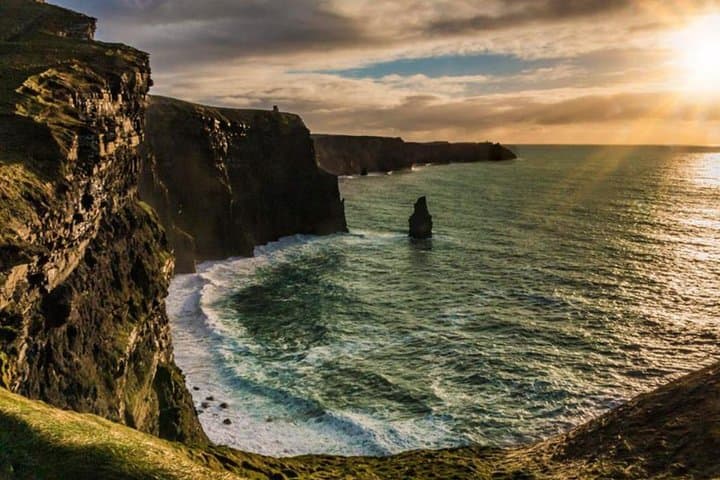
The salt wind hits your face before the cliffs come into view — a raw, vertical edge of shale and limestone that drops into a churning Atlantic. On a two-day Wild Atlantic Way tour from County Clare you move at the coastline’s pace: long panoramas, quick village stops, and the hush of stone rings and castle halls.
Verified experiences and guided adventures in the surrounding area.
Operated by Atlantic Way Touring · Ennis, County Clare
The salt wind hits your face before the cliffs come into view — a raw, vertical edge of shale and limestone that drops into a churning Atlantic. On a two-day Wild Atlantic Way tour from County Clare you move at the coastline’s pace: long panoramas, quick village stops, and the hush of stone rings and castle halls.
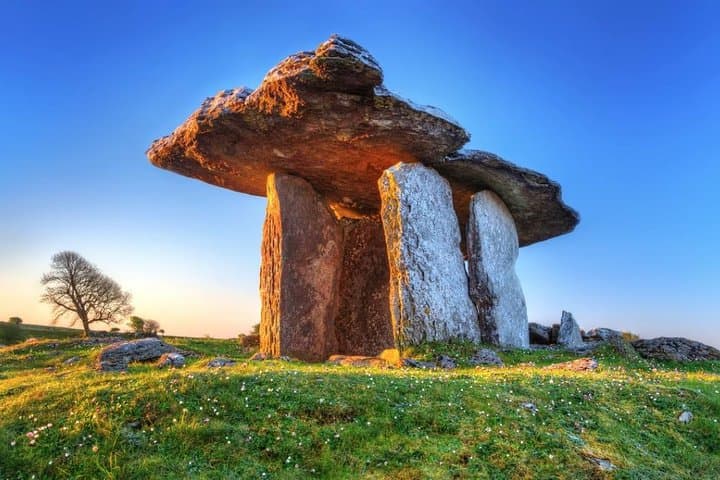
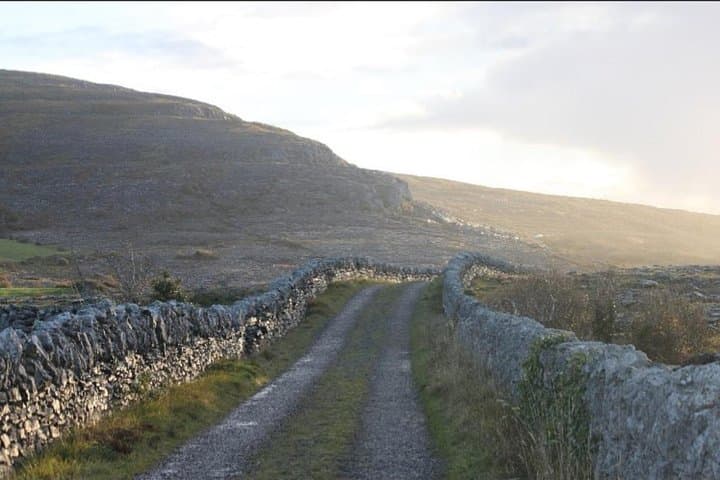
Day one centers on the Cliffs of Moher, where layered rock records coastal uplift and relentless sea erosion. Nearby the Burren’s exposed limestone pavements display glaciated grooves and an improbable botanical richness — orchids and alpine plants holding on in cracks. On day two the rhythm turns inward: crannog-like ruins and restored castles such as Bunratty and Craggaunowen map medieval Clare and the island’s Gaelic and Norman past. Megaliths like the Poulnabrone Dolmen offer a direct link to Neolithic ritual landscapes.
Culturally, expect local storytelling, farmhouse histories and the tangible presence of fishing and farming traditions shaping the coastline. Geologically, the switch from karst Burren to sheer cliff faces tells of ancient seas and later glaciation.
Practical guidance: bring waterproof layers and sturdy shoes — many stops involve short uneven walks and coastal winds that change fast. Morning light is best for photos at the cliffs; mid-afternoon offers softer views in the Burren. If puffins or seals are a priority, plan visits May–August and scan sea stacks with binoculars. The tour is mostly chauffeured with short hikes; it’s accessible for a wide range of fitness levels but not for those needing continuous mobility assistance. Reserve early in summer and confirm child seats if traveling with infants. Above all, stay on marked paths — both for safety and to protect fragile limestone flora.
easy.
2 days.
Suitable for most fitness levels — primarily seated travel with intermittent short, uneven walks at sites.
Most tours include a stop at the Cliffs but not necessarily paid Visitor Centre admission; check with the operator for specifics and parking/entrance fees.
Yes — infant seats are available and the tour is family-friendly, though some short walks may be unsuitable for strollers off paved areas.
Expect several hours of scenic driving over two days with multiple 30–60 minute stops at major sites; total travel time varies by itinerary and traffic.
Operators commonly cancel or reschedule in severe weather for safety; bring waterproof gear and flexible plans during storm-prone seasons.
County Clare preserves layers of history from Neolithic portal tombs to Norman and Gaelic medieval castles that chart shifting coastal power and settlement.
The Burren and Cliffs areas have fragile habitats; stay on paths, take litter home, and support local guides who promote low-impact visitation.
Atlantic Way Touring operates guided outdoor trips and adventures with an emphasis on safety, stewardship, and memorable experiences.
The salt wind hits your face before the cliffs come into view — a raw, vertical edge of shale and limestone that drops into a churning Atlantic. On a two-day Wild Atlantic Way tour from County Clare you move at the coastline’s pace: long panoramas, quick village stops, and the hush of stone rings and castle halls.
The salt wind hits your face before the cliffs come into view — a raw, vertical edge of shale and limestone that drops into a churning Atlantic. On a two-day Wild Atlantic Way tour from County Clare you move at the coastline’s pace: long panoramas, quick village stops, and the hush of stone rings and castle halls.
Day one centers on the Cliffs of Moher, where layered rock records coastal uplift and relentless sea erosion. Nearby the Burren’s exposed limestone pavements display glaciated grooves and an improbable botanical richness — orchids and alpine plants holding on in cracks. On day two the rhythm turns inward: crannog-like ruins and restored castles such as Bunratty and Craggaunowen map medieval Clare and the island’s Gaelic and Norman past. Megaliths like the Poulnabrone Dolmen offer a direct link to Neolithic ritual landscapes.
Culturally, expect local storytelling, farmhouse histories and the tangible presence of fishing and farming traditions shaping the coastline. Geologically, the switch from karst Burren to sheer cliff faces tells of ancient seas and later glaciation.
Practical guidance: bring waterproof layers and sturdy shoes — many stops involve short uneven walks and coastal winds that change fast. Morning light is best for photos at the cliffs; mid-afternoon offers softer views in the Burren. If puffins or seals are a priority, plan visits May–August and scan sea stacks with binoculars. The tour is mostly chauffeured with short hikes; it’s accessible for a wide range of fitness levels but not for those needing continuous mobility assistance. Reserve early in summer and confirm child seats if traveling with infants. Above all, stay on marked paths — both for safety and to protect fragile limestone flora.