THE ADVENTURE COLLECTIVE® · Independent discovery and booking for outdoor travel

Explore two sides of Warsaw in one half-day: the baroque grandeur of Wilanów Palace and the immersive POLIN Museum that traces centuries of Jewish life in Poland. This small-group tour includes door-to-door pickup and audio guides in multiple languages.
Explore two sides of Warsaw in one half-day: the baroque grandeur of Wilanów Palace and the immersive POLIN Museum that traces centuries of Jewish life in Poland. This small-group tour includes door-to-door pickup and audio guides in multiple languages.
You step out of the minivan into a long avenue of chestnuts and the air tastes faintly of river dust — Warsaw spreads out in ordered blocks to the north while the Wilanów gardens open like a private park to the south. The palace’s facades face the sun; sculptures guard paths where visitors move between manicured parterres and quiet ponds.
Verified experiences and guided adventures in the surrounding area.
Operated by Visiting-Warsaw.Com · Warsaw, Masovian Voivodeship
You step out of the minivan into a long avenue of chestnuts and the air tastes faintly of river dust — Warsaw spreads out in ordered blocks to the north while the Wilanów gardens open like a private park to the south. The palace’s facades face the sun; sculptures guard paths where visitors move between manicured parterres and quiet ponds.
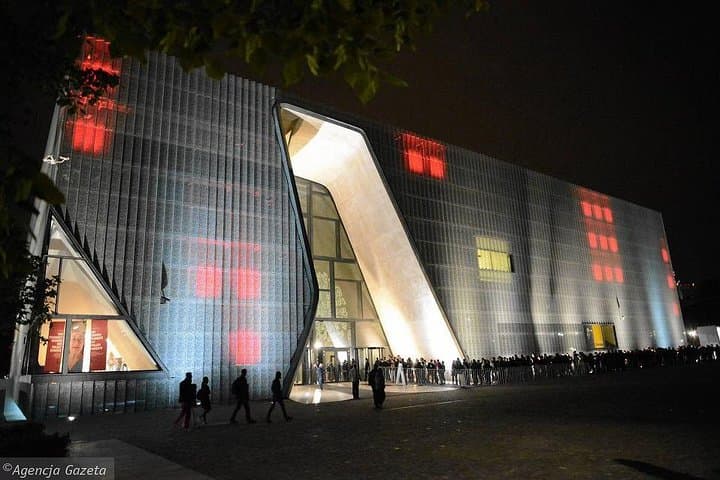
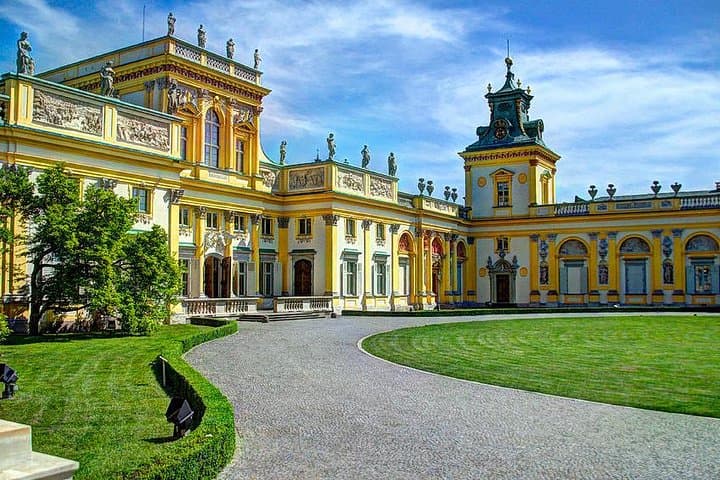
Built from 1677 as a suburban residence for John III Sobieski, Wilanów grew into one of Poland’s best-preserved baroque palaces. Its rooms preserve period furniture, paintings and the lived-in details of aristocratic life. Across the city, the POLIN Museum uses light, sound and multimedia to trace a much older and longer story: the presence of Jewish communities in Poland across centuries, their contributions, ruptures and everyday ties to Polish life.
Geologically, the sites sit on Warsaw’s low-lying Vistula plain — flat ground that made city expansion straightforward and allowed landscaped gardens to be laid out with long sightlines. Culturally, the visit pairs stately royal pageantry with a sober, contemporary historical narrative.
Practical guidance: allow the full four hours on this small-group itinerary — 75 minutes in each museum plus transit and buffer. Audio guides are provided in many languages; wear comfortable shoes for cobbled palace rooms and garden paths. Peak visiting windows are late morning and late afternoon; the smallest crowds arrive midweek.
Expect curb-to-curb pickup in central Warsaw, wheelchair-accessible transport and a group size capped under 15. Bring a charged phone for multimedia exhibits, a light jacket for the gardens and time to sit on a bench and watch the park’s birds claim the lawns.
easy.
4 hours.
Suitable for most fitness levels; involves walking, standing and light stairs in museum spaces.
Yes — admission is included for both sites as part of this small-group tour.
Door-to-door pickup and return to the hotel or apartment within Warsaw is included; confirm the exact pickup point when booking.
Yes — transportation and museum areas listed are wheelchair accessible; notify the operator of accessibility needs in advance.
Groups are small, with a maximum of 15 people and vehicles limited to eight passengers during transfers for comfort.
Wilanów Palace began as a 1677 suburban residence for John III Sobieski and evolved into a baroque complex; POLIN chronicles centuries of Jewish presence in Poland, from medieval settlements to modern history.
Both institutions focus on preservation: Wilanów maintains and restores historical gardens and structures, while POLIN emphasizes archival care and educational outreach to protect cultural memory.
Visiting-Warsaw.Com operates guided outdoor trips and adventures with an emphasis on safety, stewardship, and memorable experiences.
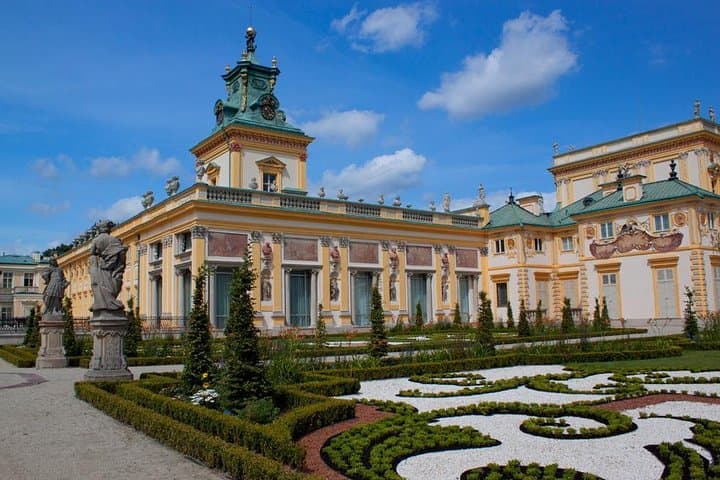
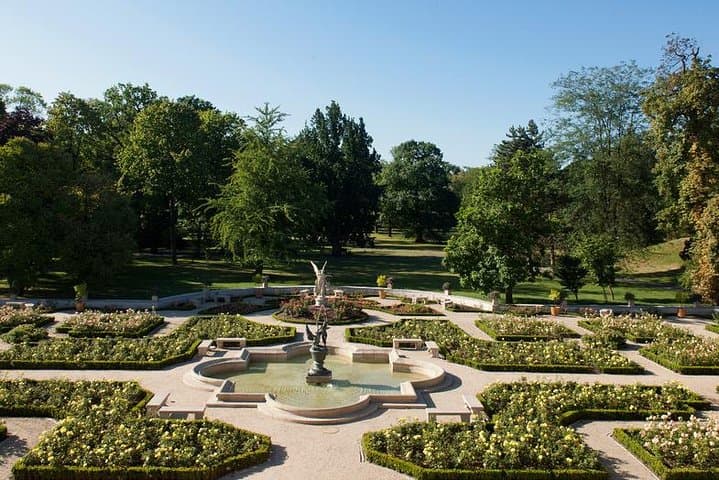
You step out of the minivan into a long avenue of chestnuts and the air tastes faintly of river dust — Warsaw spreads out in ordered blocks to the north while the Wilanów gardens open like a private park to the south. The palace’s facades face the sun; sculptures guard paths where visitors move between manicured parterres and quiet ponds.
You step out of the minivan into a long avenue of chestnuts and the air tastes faintly of river dust — Warsaw spreads out in ordered blocks to the north while the Wilanów gardens open like a private park to the south. The palace’s facades face the sun; sculptures guard paths where visitors move between manicured parterres and quiet ponds.
Built from 1677 as a suburban residence for John III Sobieski, Wilanów grew into one of Poland’s best-preserved baroque palaces. Its rooms preserve period furniture, paintings and the lived-in details of aristocratic life. Across the city, the POLIN Museum uses light, sound and multimedia to trace a much older and longer story: the presence of Jewish communities in Poland across centuries, their contributions, ruptures and everyday ties to Polish life.
Geologically, the sites sit on Warsaw’s low-lying Vistula plain — flat ground that made city expansion straightforward and allowed landscaped gardens to be laid out with long sightlines. Culturally, the visit pairs stately royal pageantry with a sober, contemporary historical narrative.
Practical guidance: allow the full four hours on this small-group itinerary — 75 minutes in each museum plus transit and buffer. Audio guides are provided in many languages; wear comfortable shoes for cobbled palace rooms and garden paths. Peak visiting windows are late morning and late afternoon; the smallest crowds arrive midweek.
Expect curb-to-curb pickup in central Warsaw, wheelchair-accessible transport and a group size capped under 15. Bring a charged phone for multimedia exhibits, a light jacket for the gardens and time to sit on a bench and watch the park’s birds claim the lawns.