THE ADVENTURE COLLECTIVE® · Independent discovery and booking for outdoor travel

A full‑day rail and coach tour from Dublin that pairs Avoca’s historic handweaving village with Glendalough’s monastic ruins and twin lakes. Expect short guided walks, photo stops at Meeting of the Waters, and sweeping mountain vistas with local cultural context.
A full‑day rail and coach tour from Dublin that pairs Avoca’s historic handweaving village with Glendalough’s monastic ruins and twin lakes. Expect short guided walks, photo stops at Meeting of the Waters, and sweeping mountain vistas with local cultural context.
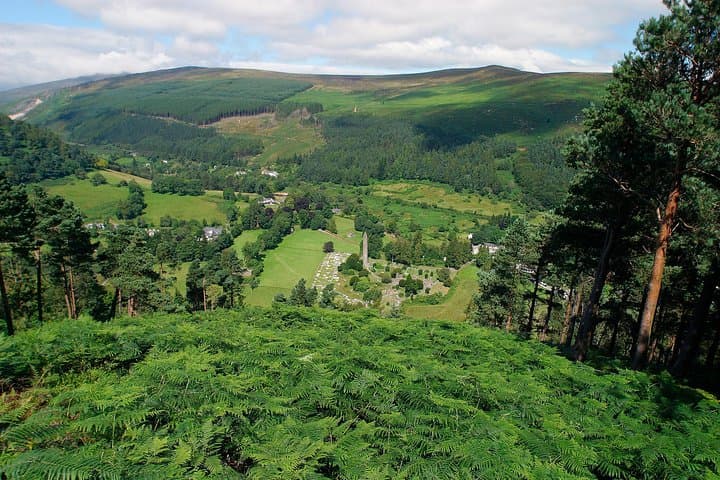
You step off the coach into the cool wash of mountain air and the Wicklow Hills close in—rounded ridgelines sweep like a slow tide and the valley floor holds the calm, dark lakes of Glendalough. The tour threads rail and road, moving from Dublin’s city edge into farmland, then into a landscape shaped by glaciation and centuries of monastic life.
Verified experiences and guided adventures in the surrounding area.
Operated by Railtours Ireland First Class · Glendalough, County Wicklow
You step off the coach into the cool wash of mountain air and the Wicklow Hills close in—rounded ridgelines sweep like a slow tide and the valley floor holds the calm, dark lakes of Glendalough. The tour threads rail and road, moving from Dublin’s city edge into farmland, then into a landscape shaped by glaciation and centuries of monastic life.
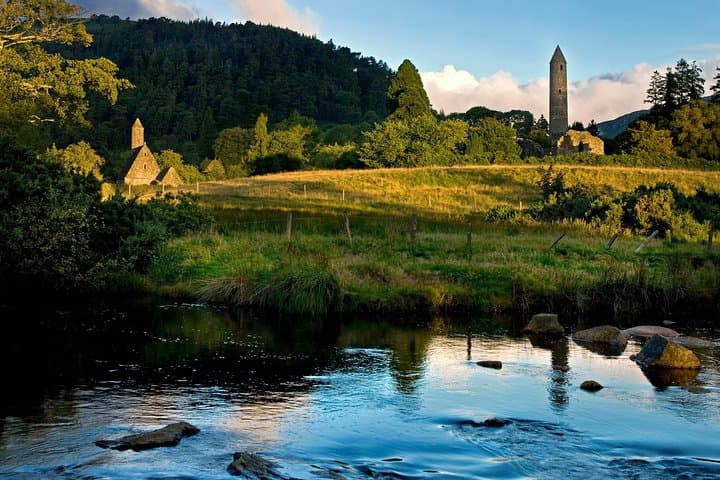
The route follows lanes that once connected early medieval settlements. Avoca’s handweaving mill, operating since the 18th century, sits beside the river and offers a tangible link to local craft traditions. Glendalough’s ruined monastery and 12th‑century round tower recall St. Kevin’s 7th‑century settlement; the two lakes below are classic U‑shaped glacial basins carved during the last Ice Age.
Culturally the area is still small‑scale: village pubs, family farms and craft shops dominate. Expect sweeping mountain views, peat‑stained streams, and the occasional sheep on roadside banks. The tour balances guided narration with time for short walks—past the lower lake and up to viewpoints by the upper lake—and includes reserved rail seats for the return.
Practically, plan for changeable weather and firm but sometimes wet paths at Glendalough. Lunch in Avoca is the easiest option if you want table service; bring layers and waterproof footwear for the short hikes. The guide will set pickup times—be punctual: the itinerary is tight. This full‑day rail and coach trip is an efficient way to see the Wicklow Mountains’ geology, history and rural culture without self‑drive logistics.
easy.
7 hours.
Suitable for most fitness levels; involves short, easy walks on uneven terrain
The tour is approximately 7 hours by coach and rail with guided stops at Avoca and Glendalough and short walks at the lakes and monastic site.
Yes—it's rated easy and suitable for families, but some short uneven paths at Glendalough may be challenging for wheelchairs or strollers.
No; lunch is not included. Avoca offers restaurants and cafés and is the recommended place to eat on the route.
Service animals are allowed, but keep them under control on board and around heritage sites out of respect for other visitors.
Glendalough grew around a 7th‑century monastery founded by St. Kevin; the surviving round tower and stone churches date largely from the 12th century.
Glendalough lies within a national park; stick to marked trails to protect peatland and archaeological sites and take any litter back to town bins.
Railtours Ireland First Class operates guided outdoor trips and adventures with an emphasis on safety, stewardship, and memorable experiences.


You step off the coach into the cool wash of mountain air and the Wicklow Hills close in—rounded ridgelines sweep like a slow tide and the valley floor holds the calm, dark lakes of Glendalough. The tour threads rail and road, moving from Dublin’s city edge into farmland, then into a landscape shaped by glaciation and centuries of monastic life.
You step off the coach into the cool wash of mountain air and the Wicklow Hills close in—rounded ridgelines sweep like a slow tide and the valley floor holds the calm, dark lakes of Glendalough. The tour threads rail and road, moving from Dublin’s city edge into farmland, then into a landscape shaped by glaciation and centuries of monastic life.
The route follows lanes that once connected early medieval settlements. Avoca’s handweaving mill, operating since the 18th century, sits beside the river and offers a tangible link to local craft traditions. Glendalough’s ruined monastery and 12th‑century round tower recall St. Kevin’s 7th‑century settlement; the two lakes below are classic U‑shaped glacial basins carved during the last Ice Age.
Culturally the area is still small‑scale: village pubs, family farms and craft shops dominate. Expect sweeping mountain views, peat‑stained streams, and the occasional sheep on roadside banks. The tour balances guided narration with time for short walks—past the lower lake and up to viewpoints by the upper lake—and includes reserved rail seats for the return.
Practically, plan for changeable weather and firm but sometimes wet paths at Glendalough. Lunch in Avoca is the easiest option if you want table service; bring layers and waterproof footwear for the short hikes. The guide will set pickup times—be punctual: the itinerary is tight. This full‑day rail and coach trip is an efficient way to see the Wicklow Mountains’ geology, history and rural culture without self‑drive logistics.