THE ADVENTURE COLLECTIVE® · Independent discovery and booking for outdoor travel

A reflective, audio-guided visit to Whitney Plantation with round-trip transport from New Orleans. This five-hour experience centers first-person accounts and memorials that illuminate the history of slavery on Louisiana’s River Road.
A reflective, audio-guided visit to Whitney Plantation with round-trip transport from New Orleans. This five-hour experience centers first-person accounts and memorials that illuminate the history of slavery on Louisiana’s River Road.
Steam-thick air from the Mississippi seems to breathe through the live oaks as you arrive at Whitney Plantation — a slice of Louisiana’s River Road that refuses easy answers. The bus drops you at a gravel drive; the MP3 audio guide is your companion, and the grounds stretch out: weathered cabins, a restored chapel, and rows of sugarcane that still remember the backbreaking work once done there.
Verified experiences and guided adventures in the surrounding area.
Operated by Cajun Encounters Tour Co. · Wallace, Louisiana
Steam-thick air from the Mississippi seems to breathe through the live oaks as you arrive at Whitney Plantation — a slice of Louisiana’s River Road that refuses easy answers. The bus drops you at a gravel drive; the MP3 audio guide is your companion, and the grounds stretch out: weathered cabins, a restored chapel, and rows of sugarcane that still remember the backbreaking work once done there.
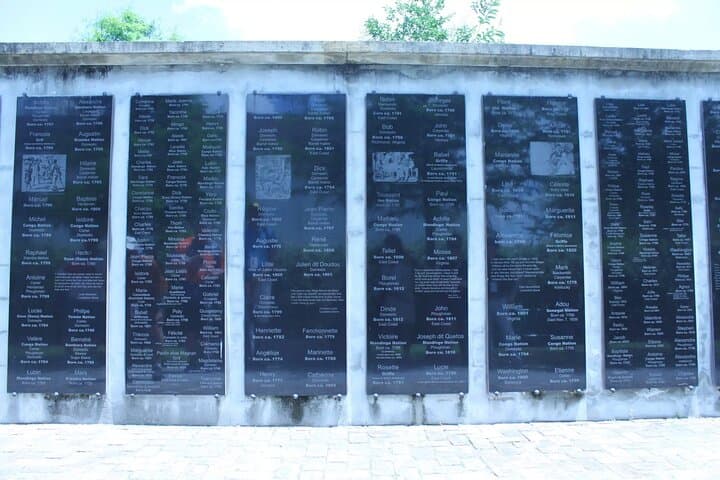
Founded in the mid-18th century and refocused in recent decades as a memorial to those enslaved on these lands, Whitney foregrounds first-person accounts, artifacts, and sculptural memorials that name people often erased from plantation histories. Geologically, you’re on the Mississippi’s alluvial plain: flat, low, and shaped by sediment and seasonal floods that made this territory prime for sugar cultivation.
Culturally, the site centers African American memory and contemporary preservation work; nearby River Road plantations and small parish towns extend that history into the wider landscape. Expect quiet, reflective paths and interpretive stops rather than theatrical reenactments.
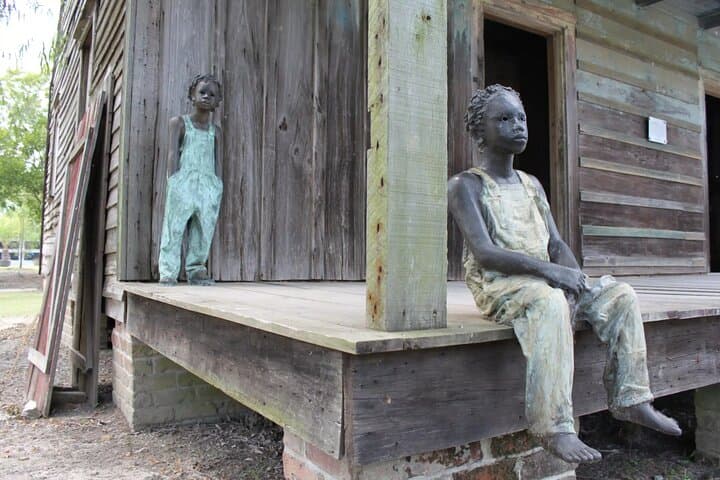
Practical guidance: allow roughly five hours for the round trip from New Orleans including transportation. Wear sturdy, breathable shoes for uneven grounds and steady heat, and bring water and sun protection — shade is scarce in the fields. The self-paced MP3 lets you linger at exhibits and original slave cabins; take time at the memorial installations, which are intentionally solemn. Photography is allowed in most outdoor areas but be mindful of indoor exhibit rules and the site’s commemorative purpose.
This is an educational, contemplative visit that pairs hard history with clear interpretation — valuable for travelers who want context and time to reflect rather than a brisk, surface-level stop.
easy.
5 hours.
Suitable for most fitness levels; expect light walking over uneven surfaces and short inclines.
Yes — this tour includes round-trip transportation with a set pickup point in the French Quarter; allow 30 minutes for arrival before departure.
No — admission to Whitney Plantation is included in this tour’s itinerary.
The Whitney Plantation notes wheelchair accessibility for some outdoor areas and exhibits, but some historic structures have uneven thresholds; contact the site in advance for specific accommodations.
Outdoor photography is generally allowed, but be respectful in memorial and indoor exhibit spaces where rules may be stricter.
Whitney Plantation dates to the 18th century and has been transformed into a museum focused on the lives of enslaved people, using artifacts, cabins, and personal accounts to center their stories.
The site emphasizes preservation of both physical artifacts and oral histories; visitors are encouraged to stay on paths, avoid disturbing natural habitats, and follow site rules to minimize impact.
Cajun Encounters Tour Co. operates guided outdoor trips and adventures with an emphasis on safety, stewardship, and memorable experiences.
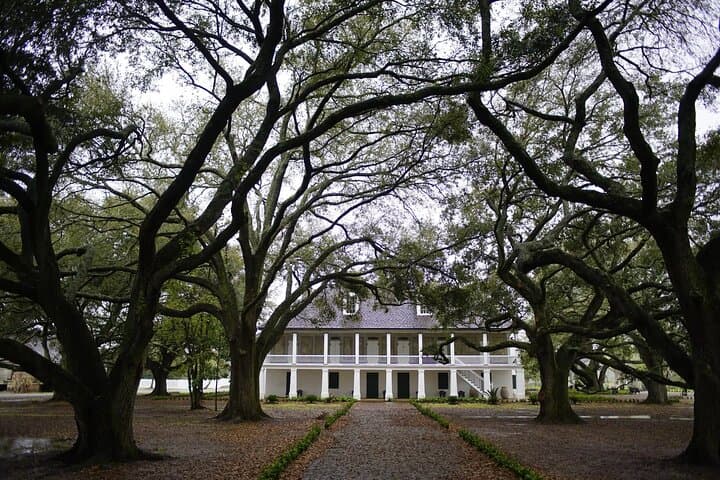
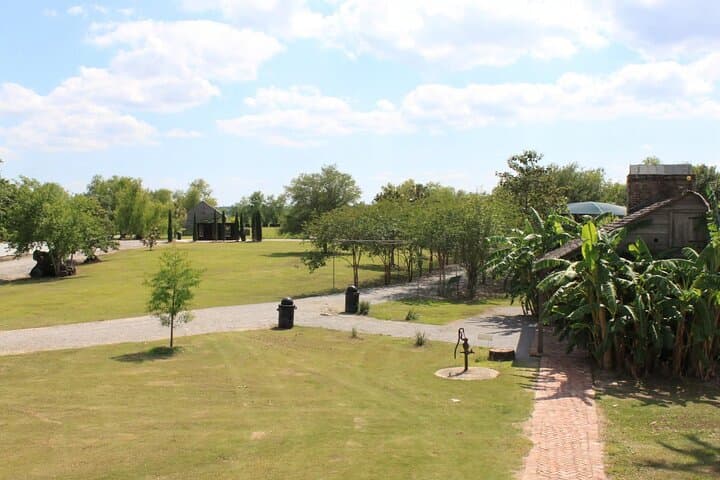
Steam-thick air from the Mississippi seems to breathe through the live oaks as you arrive at Whitney Plantation — a slice of Louisiana’s River Road that refuses easy answers. The bus drops you at a gravel drive; the MP3 audio guide is your companion, and the grounds stretch out: weathered cabins, a restored chapel, and rows of sugarcane that still remember the backbreaking work once done there.
Steam-thick air from the Mississippi seems to breathe through the live oaks as you arrive at Whitney Plantation — a slice of Louisiana’s River Road that refuses easy answers. The bus drops you at a gravel drive; the MP3 audio guide is your companion, and the grounds stretch out: weathered cabins, a restored chapel, and rows of sugarcane that still remember the backbreaking work once done there.
Founded in the mid-18th century and refocused in recent decades as a memorial to those enslaved on these lands, Whitney foregrounds first-person accounts, artifacts, and sculptural memorials that name people often erased from plantation histories. Geologically, you’re on the Mississippi’s alluvial plain: flat, low, and shaped by sediment and seasonal floods that made this territory prime for sugar cultivation.
Culturally, the site centers African American memory and contemporary preservation work; nearby River Road plantations and small parish towns extend that history into the wider landscape. Expect quiet, reflective paths and interpretive stops rather than theatrical reenactments.
Practical guidance: allow roughly five hours for the round trip from New Orleans including transportation. Wear sturdy, breathable shoes for uneven grounds and steady heat, and bring water and sun protection — shade is scarce in the fields. The self-paced MP3 lets you linger at exhibits and original slave cabins; take time at the memorial installations, which are intentionally solemn. Photography is allowed in most outdoor areas but be mindful of indoor exhibit rules and the site’s commemorative purpose.
This is an educational, contemplative visit that pairs hard history with clear interpretation — valuable for travelers who want context and time to reflect rather than a brisk, surface-level stop.