THE ADVENTURE COLLECTIVE® · Independent discovery and booking for outdoor travel

Walk River Road’s remembered landscapes on a private Whitney Plantation tour with round-trip transport from New Orleans. Experience preserved cabins, memorials, and guided interpretation centered on the lives of enslaved people.
Walk River Road’s remembered landscapes on a private Whitney Plantation tour with round-trip transport from New Orleans. Experience preserved cabins, memorials, and guided interpretation centered on the lives of enslaved people.
A morning on River Road begins with the slow churn of the Mississippi visible between gnarled cypress and sugarcane fields — the river dares you to read the land's hard stories. On the Whitney Plantation private tour, the landscape is as much a character as the restored buildings and memorials: weathered oak groves, original slave cabins, and the hush of memorial sculptures that name the enslaved.
Verified experiences and guided adventures in the surrounding area.
Operated by CRESCENT CITY TOURS & TRANSPORTATION · Wallace, Louisiana
A morning on River Road begins with the slow churn of the Mississippi visible between gnarled cypress and sugarcane fields — the river dares you to read the land's hard stories. On the Whitney Plantation private tour, the landscape is as much a character as the restored buildings and memorials: weathered oak groves, original slave cabins, and the hush of memorial sculptures that name the enslaved.
Whitney started as a sugar plantation and is now one of the nation’s most focused sites interpreting slavery, using preserved structures, oral histories, and sculptural memorials to center enslaved people. Geologically the area is low, flat river delta — clay-rich soils and slow-moving bayous shaped by the Mississippi over millennia — and the humid subtropical climate has defined agricultural patterns here for centuries.
Culturally, the tour ties film history and location work — several productions used River Road visuals — to the deeper story of labor and resistance that built Louisiana’s economy. Guides typically move at a deliberate pace, balancing house interiors with outdoor exhibits and the original slave cabins that punctuate the grounds.
Practical guidance: expect 4–6 hours including round-trip pickup from New Orleans; bring sun protection, a refillable water bottle, and comfortable walking shoes for uneven paths. Photography is common outdoors but follow house rules. The tour is suitable for most fitness levels, and spring or fall visits usually offer the most comfortable weather. Be prepared to listen closely — the site’s power is in the testimonies it preserves.
easy.
5–6 hours.
Suitable for most adults and older children who can stand and walk short distances; minimal cardiovascular strain.
Admission to the Whitney Plantation museum is typically not included; confirm with the operator before booking and have a method of payment available.
Pickup locations are arranged at booking — common pickup points are central New Orleans hotels and meeting spots; confirm exact address and time when you reserve.
The operator marks the tour as stroller accessible; however, some historic buildings and paths may be uneven — check accessibility details in advance if mobility aids are required.
Photography is generally allowed outdoors; follow on-site rules for interior spaces and any signage restricting flash or tripods.
Whitney Plantation centers enslaved people's narratives and includes preserved slave cabins and memorials that emphasize personal histories over planter-focused interpretation.
Visitors are asked to stay on marked paths to protect fragile historic structures and surrounding wetlands; supporting the museum helps fund preservation and educational programming.
CRESCENT CITY TOURS & TRANSPORTATION operates guided outdoor trips and adventures with an emphasis on safety, stewardship, and memorable experiences.
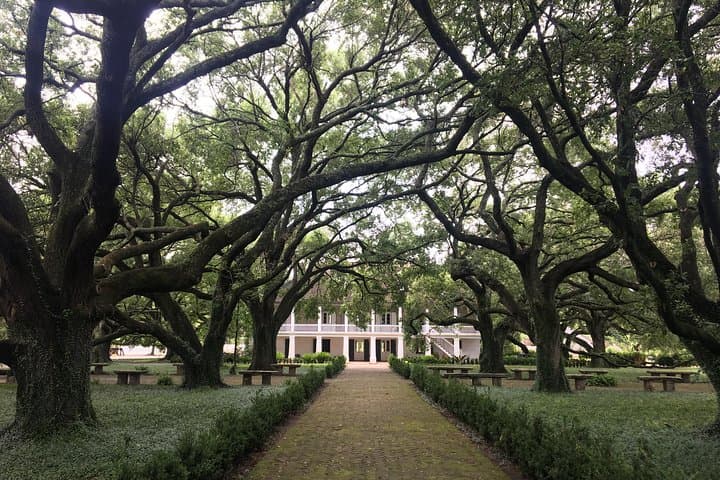
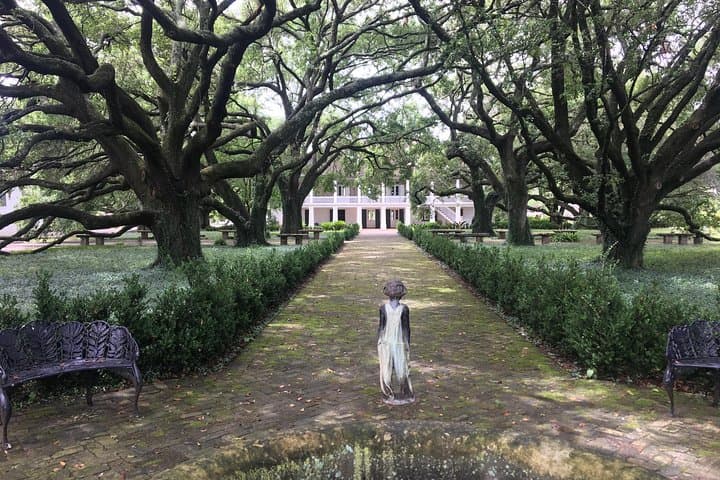
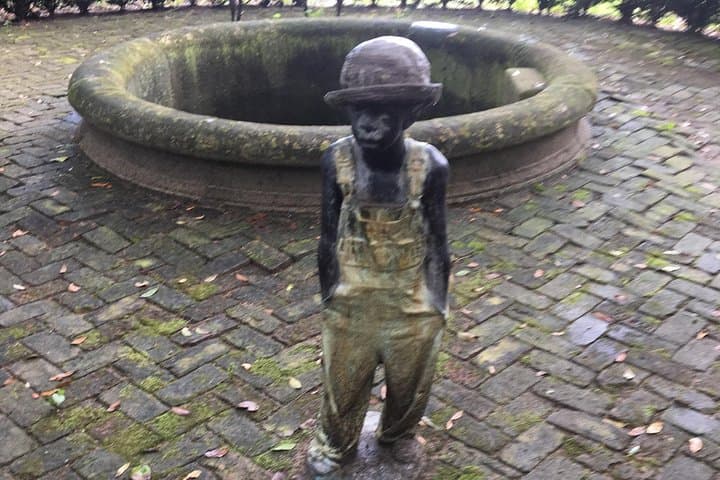
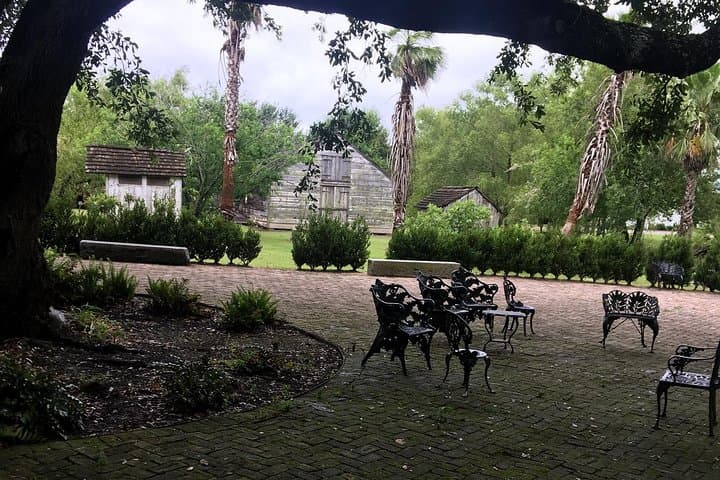
A morning on River Road begins with the slow churn of the Mississippi visible between gnarled cypress and sugarcane fields — the river dares you to read the land's hard stories. On the Whitney Plantation private tour, the landscape is as much a character as the restored buildings and memorials: weathered oak groves, original slave cabins, and the hush of memorial sculptures that name the enslaved.
A morning on River Road begins with the slow churn of the Mississippi visible between gnarled cypress and sugarcane fields — the river dares you to read the land's hard stories. On the Whitney Plantation private tour, the landscape is as much a character as the restored buildings and memorials: weathered oak groves, original slave cabins, and the hush of memorial sculptures that name the enslaved.
Whitney started as a sugar plantation and is now one of the nation’s most focused sites interpreting slavery, using preserved structures, oral histories, and sculptural memorials to center enslaved people. Geologically the area is low, flat river delta — clay-rich soils and slow-moving bayous shaped by the Mississippi over millennia — and the humid subtropical climate has defined agricultural patterns here for centuries.
Culturally, the tour ties film history and location work — several productions used River Road visuals — to the deeper story of labor and resistance that built Louisiana’s economy. Guides typically move at a deliberate pace, balancing house interiors with outdoor exhibits and the original slave cabins that punctuate the grounds.
Practical guidance: expect 4–6 hours including round-trip pickup from New Orleans; bring sun protection, a refillable water bottle, and comfortable walking shoes for uneven paths. Photography is common outdoors but follow house rules. The tour is suitable for most fitness levels, and spring or fall visits usually offer the most comfortable weather. Be prepared to listen closely — the site’s power is in the testimonies it preserves.