THE ADVENTURE COLLECTIVE® · Independent discovery and booking for outdoor travel

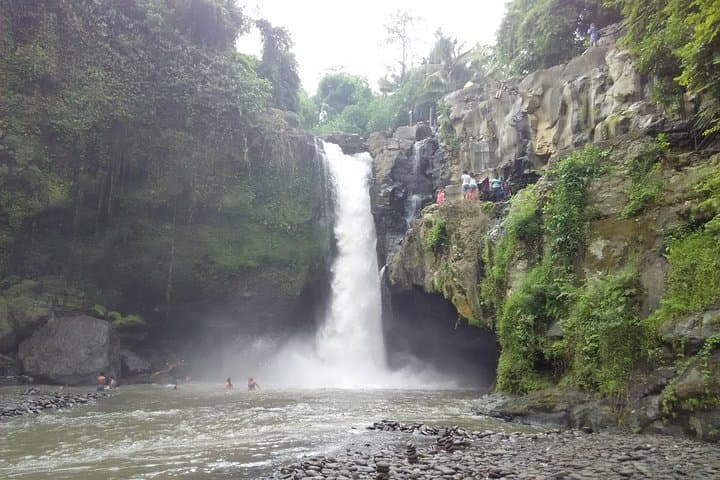
Charge down the Ayung River in a guided raft then trade adrenaline for art on a condensed Ubud tour—rice terraces, a temple stop and a waterfall. This full-day itinerary balances river action with cultural context and practical tips for a smooth trip.
Charge down the Ayung River in a guided raft then trade adrenaline for art on a condensed Ubud tour—rice terraces, a temple stop and a waterfall. This full-day itinerary balances river action with cultural context and practical tips for a smooth trip.
The first spray hits your face before the jungle opens up—the Ayung River daring you forward as the guide calls commands and your paddle bites the current. Morning light slips between overhanging fig and palm, turning the gorge into moving green. Two hours of Class II–III rapids roll by: sudden chutes that jolt the raft, quieter eddies that let you breathe and listen to the river’s low, steady voice. When the raft pulls to shore, the transition is instant—wet neoprene to warm sunlight and a shuttle back toward Ubud’s terraces and temples.
Verified experiences and guided adventures in the surrounding area.
Operated by Dejulius Tour · Ubud, Bali
The first spray hits your face before the jungle opens up—the Ayung River daring you forward as the guide calls commands and your paddle bites the current. Morning light slips between overhanging fig and palm, turning the gorge into moving green. Two hours of Class II–III rapids roll by: sudden chutes that jolt the raft, quieter eddies that let you breathe and listen to the river’s low, steady voice. When the raft pulls to shore, the transition is instant—wet neoprene to warm sunlight and a shuttle back toward Ubud’s terraces and temples.
This combined day trip pairs a commercially run stretch of the Ayung, Bali’s longest river, with a compact survey of Ubud’s cultural landmarks. The river itself carved a narrow gorge through volcanic tuff over millennia; the cliffs and boulders you pass are the physical memory of eruptions and erosion. Ubud, once a village of royal palaces and royal artists, became Bali’s cultural axis in the 20th century when painters and performers settled here, turning ricefields into stages and galleries.
You’ll see limestone outcrops draped with ferns, moss-slick rocks where kingfishers and dragonflies patrol, and terraces on the plateau that continue centuries-old subak irrigation practices. Local guides often point out shrines visible from the road—reminders that water and worship are tightly braided in Balinese life.
Practicalities: the full program runs about eight hours with hotel pickup across southern Bali. Rafting lasts roughly two hours on a 7–9 km stretch depending on water levels; expect light to moderate paddling with trained guides handling tricky sections. Operators supply life jackets, helmets, towels, lockers and showers—so bring a change of clothes and a small dry bag for cameras.
Timing matters: mornings are cooler and quieter on both river and roads; afterwards, Ubud’s roads get busier with tour groups. Wear water shoes with a secure fit (flip-flops get lost); apply reef-safe sunscreen and bring a waterproof phone case if you plan photos. If you don’t swim, tell your guide—rafts are stable and guides are experienced, but basic swimming is recommended.
Local etiquette: a quick nod at village temples goes a long way—cover shoulders and knees when you step inside temple grounds in Ubud. Sustainability note: choose operators who participate in river clean-ups and avoid single-use plastics. With the right prep, this day stacks active riverside adrenaline with the quieter cultural beats of Ubud, making for a single, sharply focused Bali day that feels both playful and rooted.
moderate.
6–8 hours (approx. 8 hours total including transfers).
Moderate—basic paddling stamina and the ability to climb in/out of a raft and stand on uneven riverbanks
The rafting portion is typically 7–9 km and lasts about 1.5–2 hours depending on river flow and operator routing.
No—this section is suitable for first-timers and families; guides provide instruction and control the raft through technical sections.
Yes—expect to get splashed and occasionally soaked, especially in rapids and when exiting the raft.
Yes—operators usually provide lockers, towels and shower facilities at the finish point before the Ubud tour portion.
Non-swimmers can join with proper life jacket use and a guide’s support, but basic swimming skills are strongly recommended.
Bring a light cover-up for temple visits, cash for small purchases and a camera; comfortable shoes are useful for short walks at rice terraces and waterfalls.
Ubud grew as a center for artists in the early 20th century and the Ayung River has long supported local subak irrigation and ritual life.
Choose operators who support river clean-ups and use biodegradable products; bringing reusable water bottles reduces single-use plastic on the riverbanks.
Dejulius Tour operates guided outdoor trips and adventures with an emphasis on safety, stewardship, and memorable experiences.
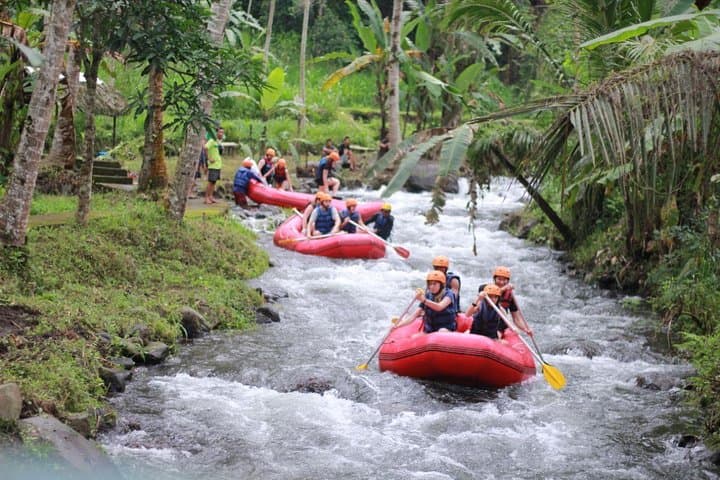
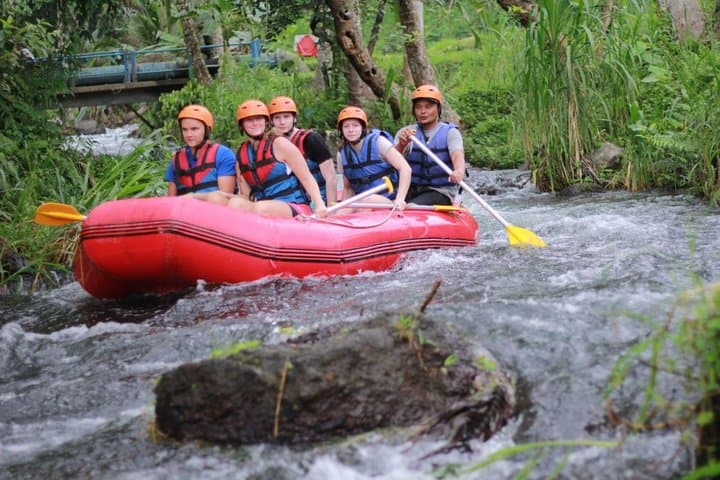
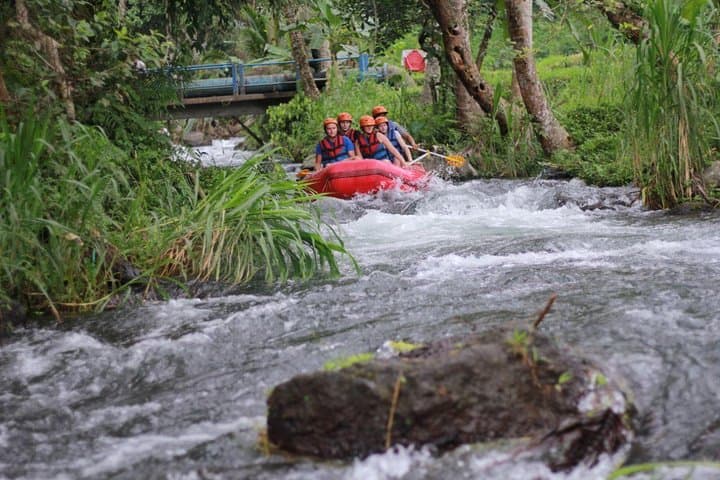
The first spray hits your face before the jungle opens up—the Ayung River daring you forward as the guide calls commands and your paddle bites the current. Morning light slips between overhanging fig and palm, turning the gorge into moving green. Two hours of Class II–III rapids roll by: sudden chutes that jolt the raft, quieter eddies that let you breathe and listen to the river’s low, steady voice. When the raft pulls to shore, the transition is instant—wet neoprene to warm sunlight and a shuttle back toward Ubud’s terraces and temples.
The first spray hits your face before the jungle opens up—the Ayung River daring you forward as the guide calls commands and your paddle bites the current. Morning light slips between overhanging fig and palm, turning the gorge into moving green. Two hours of Class II–III rapids roll by: sudden chutes that jolt the raft, quieter eddies that let you breathe and listen to the river’s low, steady voice. When the raft pulls to shore, the transition is instant—wet neoprene to warm sunlight and a shuttle back toward Ubud’s terraces and temples.
This combined day trip pairs a commercially run stretch of the Ayung, Bali’s longest river, with a compact survey of Ubud’s cultural landmarks. The river itself carved a narrow gorge through volcanic tuff over millennia; the cliffs and boulders you pass are the physical memory of eruptions and erosion. Ubud, once a village of royal palaces and royal artists, became Bali’s cultural axis in the 20th century when painters and performers settled here, turning ricefields into stages and galleries.
You’ll see limestone outcrops draped with ferns, moss-slick rocks where kingfishers and dragonflies patrol, and terraces on the plateau that continue centuries-old subak irrigation practices. Local guides often point out shrines visible from the road—reminders that water and worship are tightly braided in Balinese life.
Practicalities: the full program runs about eight hours with hotel pickup across southern Bali. Rafting lasts roughly two hours on a 7–9 km stretch depending on water levels; expect light to moderate paddling with trained guides handling tricky sections. Operators supply life jackets, helmets, towels, lockers and showers—so bring a change of clothes and a small dry bag for cameras.
Timing matters: mornings are cooler and quieter on both river and roads; afterwards, Ubud’s roads get busier with tour groups. Wear water shoes with a secure fit (flip-flops get lost); apply reef-safe sunscreen and bring a waterproof phone case if you plan photos. If you don’t swim, tell your guide—rafts are stable and guides are experienced, but basic swimming is recommended.
Local etiquette: a quick nod at village temples goes a long way—cover shoulders and knees when you step inside temple grounds in Ubud. Sustainability note: choose operators who participate in river clean-ups and avoid single-use plastics. With the right prep, this day stacks active riverside adrenaline with the quieter cultural beats of Ubud, making for a single, sharply focused Bali day that feels both playful and rooted.