THE ADVENTURE COLLECTIVE® · Independent discovery and booking for outdoor travel

A full-day whitewater run through steep granite canyons, the North Yuba offers sustained Class III–V rapids, riverside lunches, and river guides who know every current. This 1-day trip covers 9–11 miles with shuttles from a private outpost near Indian Valley Campground.
A full-day whitewater run through steep granite canyons, the North Yuba offers sustained Class III–V rapids, riverside lunches, and river guides who know every current. This 1-day trip covers 9–11 miles with shuttles from a private outpost near Indian Valley Campground.
The cold current bites at your calves as the guide counts down and the raft drops into the first shelf—spray stinging your face while granite walls close in and the river dares you forward. The North Yuba runs fast here: tight drops, powerful boils and long, technical waves that separate casual floats from true whitewater days.
Verified experiences and guided adventures in the surrounding area.
Operated by Tributary Whitewater · Downieville, California
The cold current bites at your calves as the guide counts down and the raft drops into the first shelf—spray stinging your face while granite walls close in and the river dares you forward. The North Yuba runs fast here: tight drops, powerful boils and long, technical waves that separate casual floats from true whitewater days.
This section of the North Yuba sits on granite carved by glaciers and repeated spring floods, exposing pale gneiss and mica-laced outcrops. The creek was central to mid-19th century Gold Rush routes; remnants of mining roads and old log camps dot valley benches and the nearby towns still wear that history in narrow streets and wooden storefronts.
Culture around the Yuba is small-town Sierra — guide crews who grew up on the river, anglers who measure seasons by trout runs, and campgrounds where stories get louder with the evening. Geologically, the river's steep gradient creates sustained Class III–V rapids, especially on the Maytag and Moss Canyon stretches; flows change quickly with snowmelt.
Practical guidance: expect 9–11 river miles, about seven hours door-to-door with shuttles, a professional guide per raft, and a riverside deli lunch. Strong swimming skills are required; helmets and PFDs are provided. Wear secure river footwear, layer for cold water in spring, and carry a lightweight waterproof pack for essentials. Times of day matter—midday light exposes eddy lines and makes scouting easier, while late-afternoon runs cool rapidly. Leave electronics in waterproof cases, listen to guide commands, and plan logistics around variable spring flows—the river will decide the line.
challenging.
7 hours.
Participants should have moderate to strong cardiovascular fitness, comfortable swimming ability, and the ability to follow rapid commands under stress.
Minimum age depends on river flows and operator policy, typically between 13 and 16; check with the outfitter before booking.
Not required, but participants must be strong swimmers and able to follow guide commands during Class III–V rapids.
Standard inclusions are raft, PFD, helmet, paddle, a professional river guide, shuttle service to put-in/take-out, and a riverside deli lunch.
Operators may cancel or alter the route for safety; all sales are final per the booking policy but trips can be rescheduled if the outfitter cancels for safety.
The North Yuba corridor was shaped by Gold Rush-era mining and logging; old roads and sluice remnants still appear along valley benches and access trails.
The river’s free-flowing stretches are sensitive to erosion and litter; practice Leave No Trace, pack out all trash, and follow guide instructions to minimize bank impacts.
Tributary Whitewater operates guided outdoor trips and adventures with an emphasis on safety, stewardship, and memorable experiences.
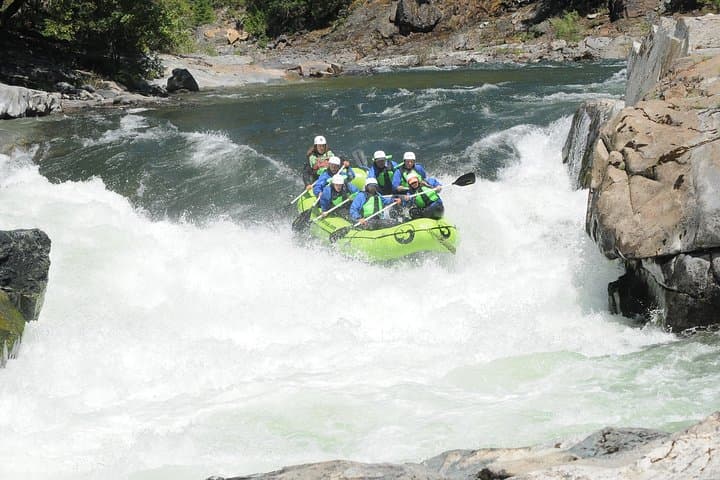
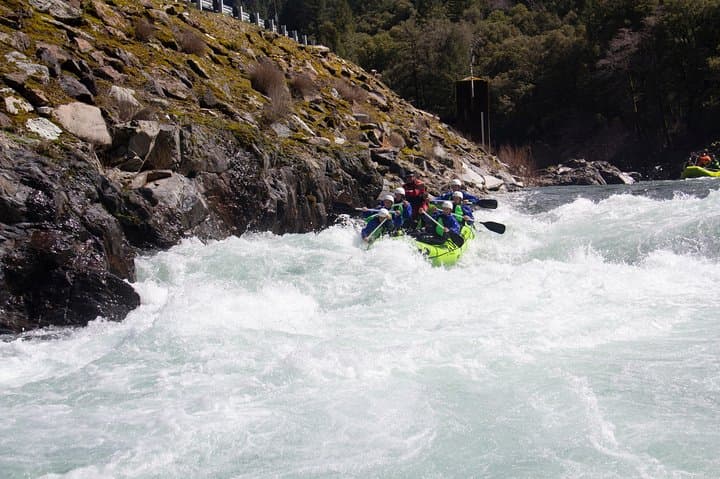
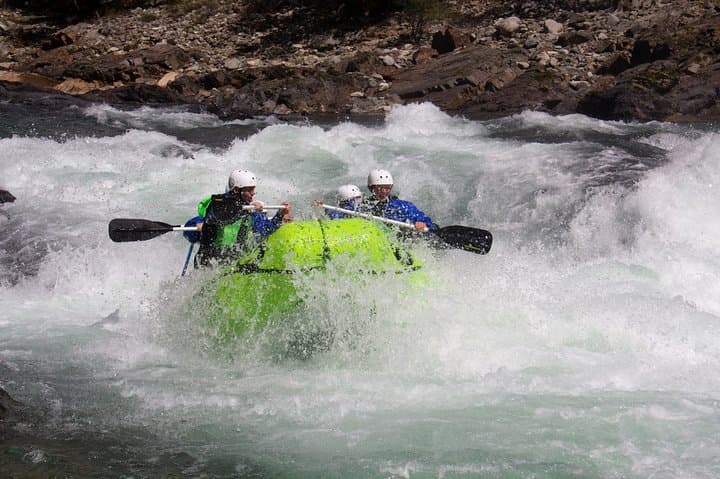
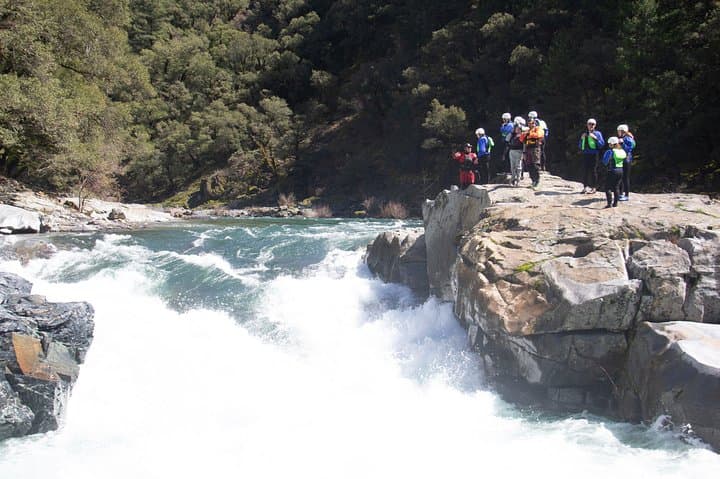
The cold current bites at your calves as the guide counts down and the raft drops into the first shelf—spray stinging your face while granite walls close in and the river dares you forward. The North Yuba runs fast here: tight drops, powerful boils and long, technical waves that separate casual floats from true whitewater days.
The cold current bites at your calves as the guide counts down and the raft drops into the first shelf—spray stinging your face while granite walls close in and the river dares you forward. The North Yuba runs fast here: tight drops, powerful boils and long, technical waves that separate casual floats from true whitewater days.
This section of the North Yuba sits on granite carved by glaciers and repeated spring floods, exposing pale gneiss and mica-laced outcrops. The creek was central to mid-19th century Gold Rush routes; remnants of mining roads and old log camps dot valley benches and the nearby towns still wear that history in narrow streets and wooden storefronts.
Culture around the Yuba is small-town Sierra — guide crews who grew up on the river, anglers who measure seasons by trout runs, and campgrounds where stories get louder with the evening. Geologically, the river's steep gradient creates sustained Class III–V rapids, especially on the Maytag and Moss Canyon stretches; flows change quickly with snowmelt.
Practical guidance: expect 9–11 river miles, about seven hours door-to-door with shuttles, a professional guide per raft, and a riverside deli lunch. Strong swimming skills are required; helmets and PFDs are provided. Wear secure river footwear, layer for cold water in spring, and carry a lightweight waterproof pack for essentials. Times of day matter—midday light exposes eddy lines and makes scouting easier, while late-afternoon runs cool rapidly. Leave electronics in waterproof cases, listen to guide commands, and plan logistics around variable spring flows—the river will decide the line.