THE ADVENTURE COLLECTIVE® · Independent discovery and booking for outdoor travel

Walk Whitechapel at dusk with a private guide who separates Jack the Ripper fact from fiction. This two-hour detective-style walk covers crime locations, Victorian context, and local color—best for curious travelers comfortable on city pavements.
Walk Whitechapel at dusk with a private guide who separates Jack the Ripper fact from fiction. This two-hour detective-style walk covers crime locations, Victorian context, and local color—best for curious travelers comfortable on city pavements.
A low sun slides along the damp façades of Whitechapel as your private guide leads the group into narrow streets where gaslamps used to watch over moonlit cobbles. The city exhales history here; footsteps echo against brick and the Thames, visible a short walk away, seems to dare you to follow its old shipping lanes.
Verified experiences and guided adventures in the surrounding area.
Operated by UTG EXPERIENCE · London, England
A low sun slides along the damp façades of Whitechapel as your private guide leads the group into narrow streets where gaslamps used to watch over moonlit cobbles. The city exhales history here; footsteps echo against brick and the Thames, visible a short walk away, seems to dare you to follow its old shipping lanes.
The tour threads Victorian facts with local color: the East End’s overcrowded lodgings, 19th-century policing limits, and the sensational press that turned murder into mass spectacle in 1888. Geology arrives in the details — compacted clay banks of the Thames, paved alleys and surviving cobbles that shaped how people moved and how crimes unfolded. Culture and class hang in the air: immigrant trades, market stalls, and pubs that were social lifelines then and now.
Expect a guided, detective-style walk that visits the locations associated with the Whitechapel murders while the guide separates myth from archival reality. You’ll examine suspect profiles, hear contemporary eyewitness reports, and learn how Victorian forensics compared to today.
Practical notes: the route is mostly flat but uses narrow pavements; sunset timing makes visibility change fast—bring a small light. Wear sturdy shoes for uneven paving and expect street noise and traffic. Tours are best by foot and on dry evenings — heavy rain can make cobbles slippery and reduce visibility. Stay close to the guide, respect private properties and memorials, and consider finishing the night in a nearby historic pub to debrief the era’s social context.
easy.
2 hours.
Light walking ability; able to stand and walk for up to two hours on flat but uneven urban terrain.
The operator will give a precise public meeting point in Whitechapel—confirm the address or landmark on your booking confirmation and arrive 10 minutes early.
Older children who can handle quiet, potentially unsettling historical detail are fine; consider the subject matter before bringing young kids.
Much of Whitechapel has level pavement, but some narrow sections and cobbles may be challenging—contact the operator with specifics before booking.
Tours may be canceled for heavy rain; light rain typically proceeds so bring waterproof layers—check cancellation rules for refunds.
The Whitechapel murders of 1888 occurred against a backdrop of severe overcrowding, poverty, and nascent policing methods—press sensationalism shaped public perception as much as the crimes themselves.
Tours should minimize impact by staying on public paths, avoiding private properties and memorial plaques, and supporting local businesses that help preserve district character.
UTG EXPERIENCE operates guided outdoor trips and adventures with an emphasis on safety, stewardship, and memorable experiences.
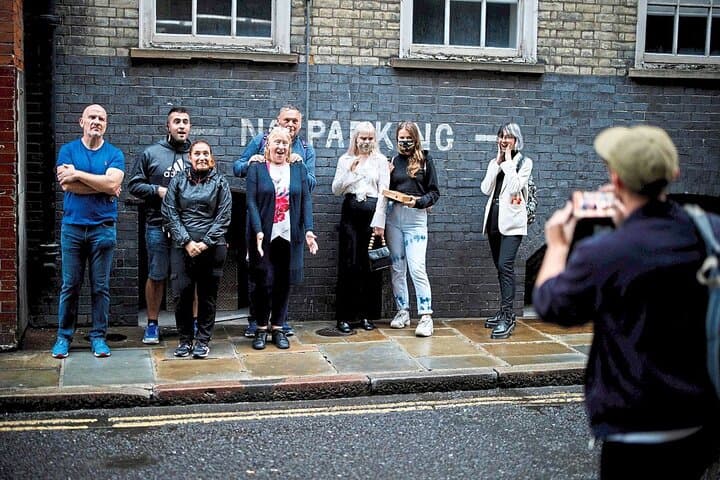
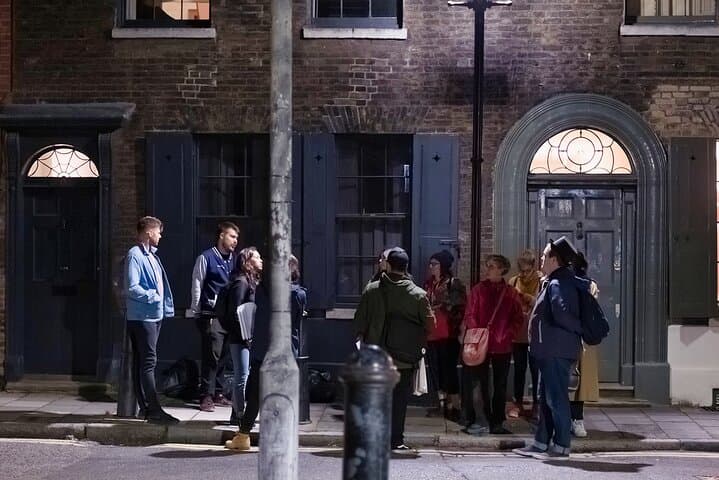
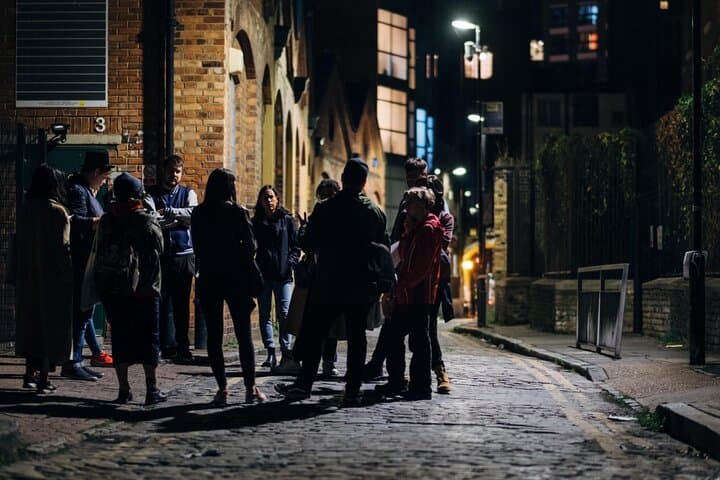
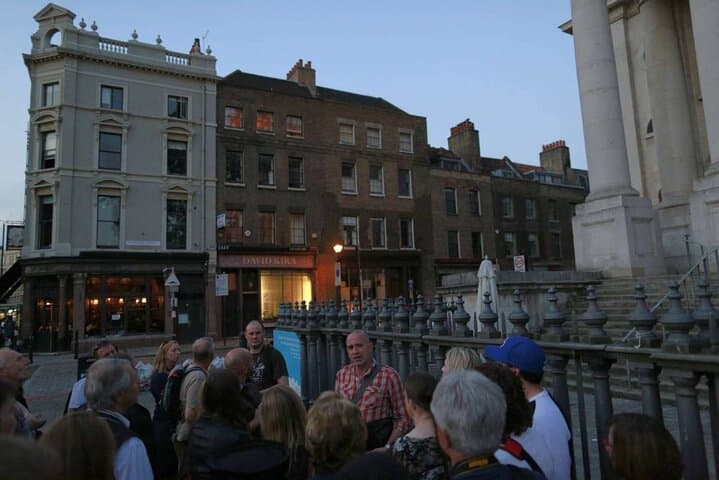
A low sun slides along the damp façades of Whitechapel as your private guide leads the group into narrow streets where gaslamps used to watch over moonlit cobbles. The city exhales history here; footsteps echo against brick and the Thames, visible a short walk away, seems to dare you to follow its old shipping lanes.
A low sun slides along the damp façades of Whitechapel as your private guide leads the group into narrow streets where gaslamps used to watch over moonlit cobbles. The city exhales history here; footsteps echo against brick and the Thames, visible a short walk away, seems to dare you to follow its old shipping lanes.
The tour threads Victorian facts with local color: the East End’s overcrowded lodgings, 19th-century policing limits, and the sensational press that turned murder into mass spectacle in 1888. Geology arrives in the details — compacted clay banks of the Thames, paved alleys and surviving cobbles that shaped how people moved and how crimes unfolded. Culture and class hang in the air: immigrant trades, market stalls, and pubs that were social lifelines then and now.
Expect a guided, detective-style walk that visits the locations associated with the Whitechapel murders while the guide separates myth from archival reality. You’ll examine suspect profiles, hear contemporary eyewitness reports, and learn how Victorian forensics compared to today.
Practical notes: the route is mostly flat but uses narrow pavements; sunset timing makes visibility change fast—bring a small light. Wear sturdy shoes for uneven paving and expect street noise and traffic. Tours are best by foot and on dry evenings — heavy rain can make cobbles slippery and reduce visibility. Stay close to the guide, respect private properties and memorials, and consider finishing the night in a nearby historic pub to debrief the era’s social context.