THE ADVENTURE COLLECTIVE® · Independent discovery and booking for outdoor travel

Short, nimble packrafts put you in the river’s engine room—expect five hours of guided whitewater that often targets Norway’s mountain runs. This day trip mixes technical rapids, calm recovery pools, and practical rivercraft instruction for ages 14 and up.
Short, nimble packrafts put you in the river’s engine room—expect five hours of guided whitewater that often targets Norway’s mountain runs. This day trip mixes technical rapids, calm recovery pools, and practical rivercraft instruction for ages 14 and up.
The river picks you up before the packraft does: a cold shoulder of current, the slap of paddle, and the inland light that turns rock faces silver. On a five‑hour excursion that often crosses into Norway’s mountain river systems, packrafts give you a direct line into moving water—small, nimble boats that let groups chase the best rapids of the day.
Verified experiences and guided adventures in the surrounding area.
The river picks you up before the packraft does: a cold shoulder of current, the slap of paddle, and the inland light that turns rock faces silver. On a five‑hour excursion that often crosses into Norway’s mountain river systems, packrafts give you a direct line into moving water—small, nimble boats that let groups chase the best rapids of the day.
The rivers here were carved by ice and time; glacial melt and steep gradients create the standing waves and pocket eddies packrafters use to surf and practice ferrying. Locals have long used these waterways for transport and seasonal fishing, and modern adventure culture has layered safety protocols and guide-led instruction over that history.
Expect a mix of fast riffles, short technical drops and calmer pools for regrouping. Guides scout lines, set safety positions, and brief paddlers on hand signals and self‑rescue. Nature has agency: currents will push you into channels, and boulders will test your course choice.
Practicalities: the tour runs about five hours, suitable for participants 14 and up; operators typically pick the best stretch for conditions that day. Come in synthetic base layers or a wetsuit, wear secure footwear, and assume you will get wet. Hydrate before launch, stash electronics in a dry bag, and arrive ready to follow guide instruction—comfort in moving water and basic swimming ability are expected. Timing favors late spring–early autumn for warmer water and stable access. For anyone seeking raw river time without the bulk of a kayak, packrafting is an efficient, intense way to feel the river’s energy and learn to read its moods.
challenging.
5 hours.
Moderate to strong cardiovascular fitness; comfortable swimming in moving water and able to climb in/out of boats.
Most operators accept participants aged 14 and up; parental consent may be required for minors.
No prior packraft experience is required, but you should be comfortable swimming and following guide instruction.
Guides typically provide PFDs, helmets and a packraft; confirm with the operator which items they supply before arrival.
Trips may be re‑routed to a safer section, postponed, or canceled depending on conditions—safety takes precedence and operators monitor river flow closely.
These rivers were shaped by glacial retreat and long used for local fishing and seasonal timber rafting; modern river sports are a recent layer atop that working history.
Stick to leave‑no‑trace ethics, clean footwear to prevent invasive species transfer, and follow guide instructions to minimize riverbank erosion and disturbance.
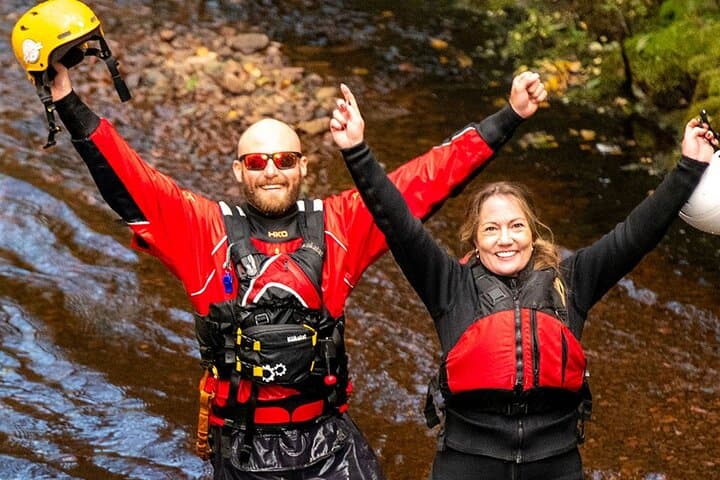
The river picks you up before the packraft does: a cold shoulder of current, the slap of paddle, and the inland light that turns rock faces silver. On a five‑hour excursion that often crosses into Norway’s mountain river systems, packrafts give you a direct line into moving water—small, nimble boats that let groups chase the best rapids of the day.
The river picks you up before the packraft does: a cold shoulder of current, the slap of paddle, and the inland light that turns rock faces silver. On a five‑hour excursion that often crosses into Norway’s mountain river systems, packrafts give you a direct line into moving water—small, nimble boats that let groups chase the best rapids of the day.
The rivers here were carved by ice and time; glacial melt and steep gradients create the standing waves and pocket eddies packrafters use to surf and practice ferrying. Locals have long used these waterways for transport and seasonal fishing, and modern adventure culture has layered safety protocols and guide-led instruction over that history.
Expect a mix of fast riffles, short technical drops and calmer pools for regrouping. Guides scout lines, set safety positions, and brief paddlers on hand signals and self‑rescue. Nature has agency: currents will push you into channels, and boulders will test your course choice.
Practicalities: the tour runs about five hours, suitable for participants 14 and up; operators typically pick the best stretch for conditions that day. Come in synthetic base layers or a wetsuit, wear secure footwear, and assume you will get wet. Hydrate before launch, stash electronics in a dry bag, and arrive ready to follow guide instruction—comfort in moving water and basic swimming ability are expected. Timing favors late spring–early autumn for warmer water and stable access. For anyone seeking raw river time without the bulk of a kayak, packrafting is an efficient, intense way to feel the river’s energy and learn to read its moods.