THE ADVENTURE COLLECTIVE® · Independent discovery and booking for outdoor travel

Spend a morning exploring the lunar-like formations of White Pocket on an off‑road guided hike from Kanab. This small‑group tour combines 4x4 access with 3–4 hours on foot across light‑colored Navajo Sandstone.
Spend a morning exploring the lunar-like formations of White Pocket on an off‑road guided hike from Kanab. This small‑group tour combines 4x4 access with 3–4 hours on foot across light‑colored Navajo Sandstone.
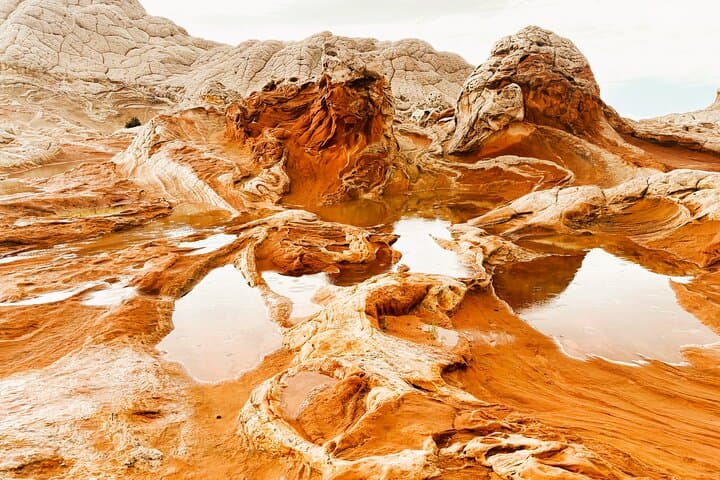
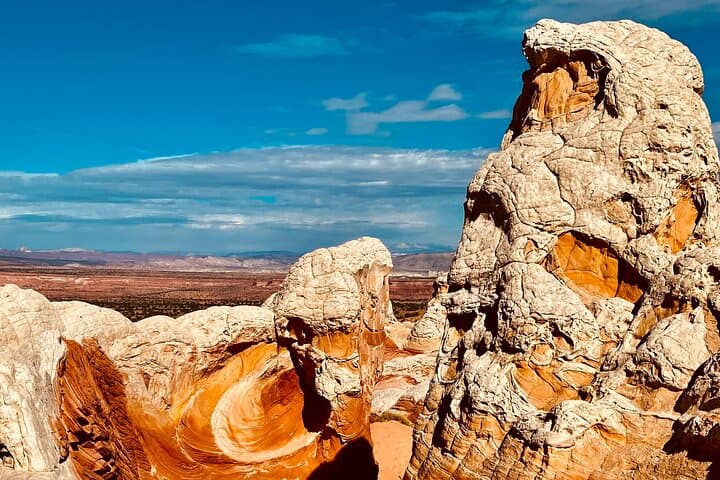
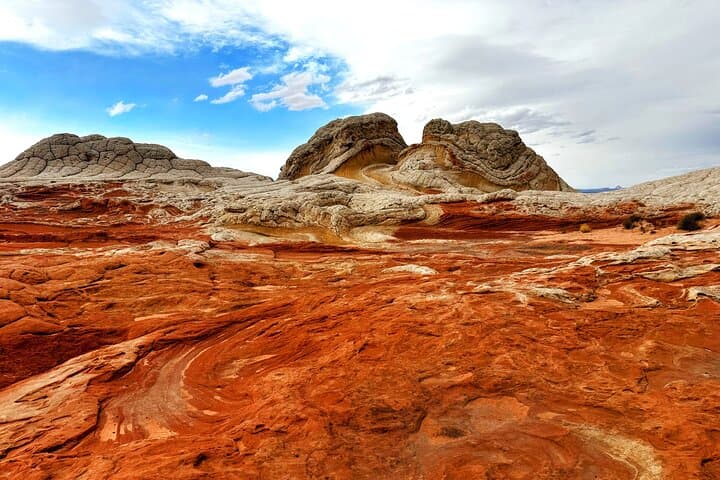
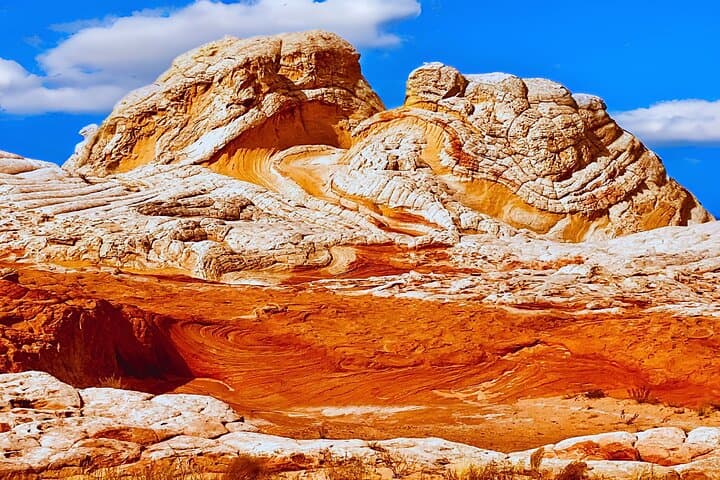
A pale ribbon of sandstone opens ahead, pale-gray swirls bending into bowl-like pockets and sharp fins that catch the morning light. You step from the vehicle onto coarse sand; the desert smells of sunbaked rock and brief green — a lone yucca, a clump of desert grasses. Guided groups thread between hoodoos and sculpted slabs, cameras up, boots finding purchase on slickrock and loose sand.
Verified experiences and guided adventures in the surrounding area.
Operated by Coral Cliffs Tours of Kanab · Kanab, Utah
A pale ribbon of sandstone opens ahead, pale-gray swirls bending into bowl-like pockets and sharp fins that catch the morning light. You step from the vehicle onto coarse sand; the desert smells of sunbaked rock and brief green — a lone yucca, a clump of desert grasses. Guided groups thread between hoodoos and sculpted slabs, cameras up, boots finding purchase on slickrock and loose sand.
White Pocket sits inside Vermilion Cliffs National Monument, formed from Jurassic-era sand dunes turned to Navajo Sandstone then carved by wind and water. Unlike the red of nearby Coyote Buttes, White Pocket displays a striking light gray and white palette created by different mineral deposits and thinly laminated strata. The area has been used seasonally by Indigenous peoples and sits within a landscape that still shows faint petroglyph and ancestral routes in the broader region.
Practical details are straightforward: expect a full-day outing (about 8 hours total with a 2-hour drive each way — roughly 1 hour highway, 1 hour off-road) and 3–4 hours of on-foot exploration over 1–3 miles of uneven terrain with minimal elevation gain (<200 ft). Trails are informal; navigation is led by your guide. Footing alternates between packed sand, fractured slabs and small washes; lightweight scrambling may be needed.
Plan for strong sun, rapid temperature swings and delicate terrain. Bring layered clothing, sun protection, 2–3 liters of water, sturdy shoes with good traction, and a packed lunch (guides provide snacks and a vehicle cooler). Respect the rock: stick to durable surfaces, avoid carving or collecting, and follow your guide’s route to protect cryptobiotic soils and fragile formations.
moderate.
8 hours (3–4 hours hiking).
Moderately fit — able to hike 1–3 miles over uneven terrain, stand and scramble briefly.
Expect about two hours each way total—roughly one hour on the highway and about one hour on rough, unpaved roads that require a high‑clearance vehicle.
White Pocket itself does not require a Wave‑style permit, but the area is within Vermilion Cliffs National Monument; guided tours handle access and route planning to stay compliant.
Older, active children who can manage uneven terrain for several hours are fine; parents must bring car seats for infants and sign waivers as required by the operator.
Drone use is generally restricted within many protected areas; check with your guide and the monument rules before attempting to fly.
The Navajo Sandstone here records Jurassic dune fields later sculpted by wind and water; the broader Vermilion Cliffs area carries cultural significance for regional Indigenous groups.
The formations and surrounding soils are extremely fragile—stay off cryptobiotic soil, pack out waste, and follow guide instructions to minimize impact.
Coral Cliffs Tours of Kanab operates guided outdoor trips and adventures with an emphasis on safety, stewardship, and memorable experiences.
A pale ribbon of sandstone opens ahead, pale-gray swirls bending into bowl-like pockets and sharp fins that catch the morning light. You step from the vehicle onto coarse sand; the desert smells of sunbaked rock and brief green — a lone yucca, a clump of desert grasses. Guided groups thread between hoodoos and sculpted slabs, cameras up, boots finding purchase on slickrock and loose sand.
A pale ribbon of sandstone opens ahead, pale-gray swirls bending into bowl-like pockets and sharp fins that catch the morning light. You step from the vehicle onto coarse sand; the desert smells of sunbaked rock and brief green — a lone yucca, a clump of desert grasses. Guided groups thread between hoodoos and sculpted slabs, cameras up, boots finding purchase on slickrock and loose sand.
White Pocket sits inside Vermilion Cliffs National Monument, formed from Jurassic-era sand dunes turned to Navajo Sandstone then carved by wind and water. Unlike the red of nearby Coyote Buttes, White Pocket displays a striking light gray and white palette created by different mineral deposits and thinly laminated strata. The area has been used seasonally by Indigenous peoples and sits within a landscape that still shows faint petroglyph and ancestral routes in the broader region.
Practical details are straightforward: expect a full-day outing (about 8 hours total with a 2-hour drive each way — roughly 1 hour highway, 1 hour off-road) and 3–4 hours of on-foot exploration over 1–3 miles of uneven terrain with minimal elevation gain (<200 ft). Trails are informal; navigation is led by your guide. Footing alternates between packed sand, fractured slabs and small washes; lightweight scrambling may be needed.
Plan for strong sun, rapid temperature swings and delicate terrain. Bring layered clothing, sun protection, 2–3 liters of water, sturdy shoes with good traction, and a packed lunch (guides provide snacks and a vehicle cooler). Respect the rock: stick to durable surfaces, avoid carving or collecting, and follow your guide’s route to protect cryptobiotic soils and fragile formations.