THE ADVENTURE COLLECTIVE® · Independent discovery and booking for outdoor travel

Ride a private 4x4 into the White Mountains, explore high-altitude vineyards at 550 m, enjoy a traditional Cretan lunch paired with local wine, and watch the sunset over the Kissamos peninsula. This accessible afternoon trip blends geology, culture, and flavor.
Ride a private 4x4 into the White Mountains, explore high-altitude vineyards at 550 m, enjoy a traditional Cretan lunch paired with local wine, and watch the sunset over the Kissamos peninsula. This accessible afternoon trip blends geology, culture, and flavor.
The van rolls away from the hotel as late afternoon light slants across olive groves; tires hum, and the road turns to dust. In the back of a comfortable 4x4 you watch the low hills of Crete change—lime-streaked limestone, scrub oak, and terraces—until the vehicle climbs narrow tracks to a secluded mountain vineyard.
Verified experiences and guided adventures in the surrounding area.
Operated by Transfer-crete.com · Chania, Crete
The van rolls away from the hotel as late afternoon light slants across olive groves; tires hum, and the road turns to dust. In the back of a comfortable 4x4 you watch the low hills of Crete change—lime-streaked limestone, scrub oak, and terraces—until the vehicle climbs narrow tracks to a secluded mountain vineyard.
At roughly 550 metres above sea level the ridge opens. Chania’s city lights lie below and the Cretan Sea pulls the last warmth from the day as the vineyard’s gnarled vines, shaped by wind and altitude, whisper of long summers. You learn how indigenous grape varieties respond to thin mountain soils and a microclimate that makes wines pronounced and mineral-driven.
This route runs along the western flanks of the White Mountains (Lefka Ori), a limestone massif that has guided local agriculture for centuries. Cretan food culture—simple, intensely local—arrives at the table: slow-cooked dishes, wild greens, and regional wine served with directness and hospitality.
Practically: expect light uneven walking at the vineyard and a few off-road jolts; pickup and private transport are included. Bring layered clothing—the mountain drops temperature quickly at sunset—good walking shoes, and a camera with extra battery. Respect private terraces and vineyards, ask before photographing families or produce, and consider buying a bottle from the producer to support small-scale agriculture. The trip packs geology, culture, and a golden sunset into a 4–5 hour window—accessible, sensory, and quietly revealing of rural Crete.
easy.
4–5 hours.
Suitable for most fitness levels; requires short periods of standing and light walking on uneven ground
Most pickups are within Chania and the drive to the White Mountains vineyards is typically 30–60 minutes depending on the meeting point and traffic.
Yes—vehicles are comfortable and walking is light; infant seats are available and the tour notes indicate it’s suitable for all fitness levels.
Local guides can usually accommodate common dietary needs if informed at booking—note allergies or preferences in the booking questions.
Yes—small-scale producers often sell bottles directly; bring payment or ask your guide about arranging purchases and transport.
Vine cultivation in Crete dates back millennia; mountain vineyards developed where coastal plains were reserved for cereals and olives, creating distinct high-altitude wines.
Stick to marked tracks and avoid driving off-route; buying locally produced wine and food helps sustain small farms and reduces the need for larger-scale transport.
Transfer-crete.com operates guided outdoor trips and adventures with an emphasis on safety, stewardship, and memorable experiences.
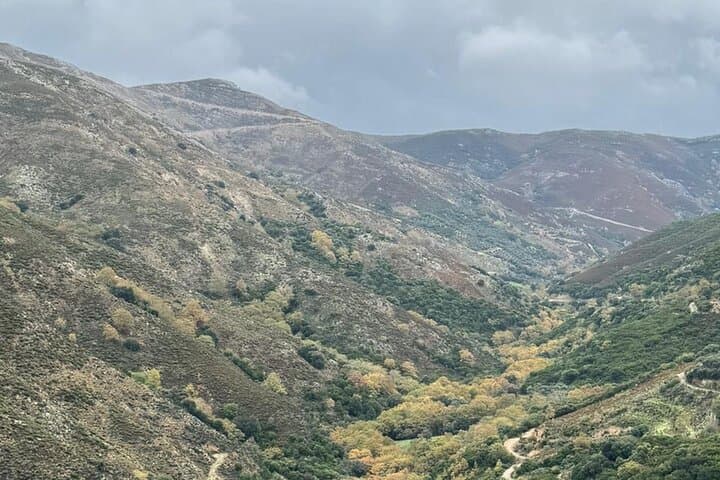
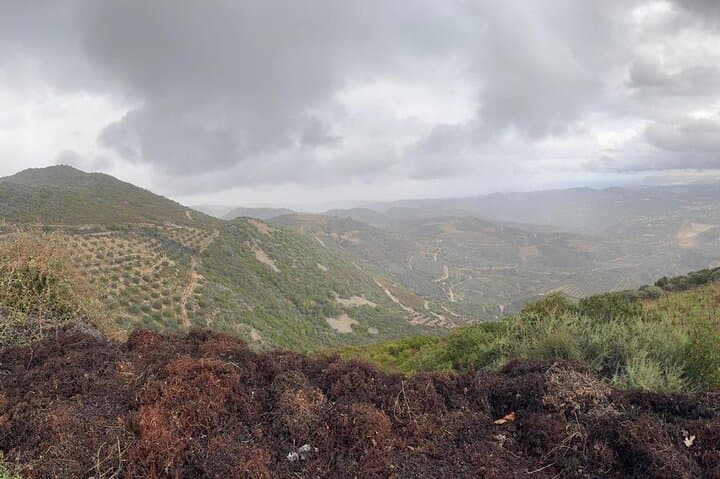
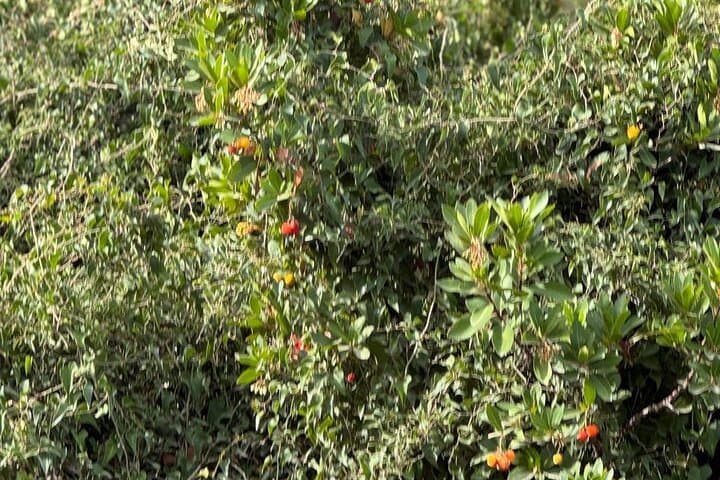
The van rolls away from the hotel as late afternoon light slants across olive groves; tires hum, and the road turns to dust. In the back of a comfortable 4x4 you watch the low hills of Crete change—lime-streaked limestone, scrub oak, and terraces—until the vehicle climbs narrow tracks to a secluded mountain vineyard.
The van rolls away from the hotel as late afternoon light slants across olive groves; tires hum, and the road turns to dust. In the back of a comfortable 4x4 you watch the low hills of Crete change—lime-streaked limestone, scrub oak, and terraces—until the vehicle climbs narrow tracks to a secluded mountain vineyard.
At roughly 550 metres above sea level the ridge opens. Chania’s city lights lie below and the Cretan Sea pulls the last warmth from the day as the vineyard’s gnarled vines, shaped by wind and altitude, whisper of long summers. You learn how indigenous grape varieties respond to thin mountain soils and a microclimate that makes wines pronounced and mineral-driven.
This route runs along the western flanks of the White Mountains (Lefka Ori), a limestone massif that has guided local agriculture for centuries. Cretan food culture—simple, intensely local—arrives at the table: slow-cooked dishes, wild greens, and regional wine served with directness and hospitality.
Practically: expect light uneven walking at the vineyard and a few off-road jolts; pickup and private transport are included. Bring layered clothing—the mountain drops temperature quickly at sunset—good walking shoes, and a camera with extra battery. Respect private terraces and vineyards, ask before photographing families or produce, and consider buying a bottle from the producer to support small-scale agriculture. The trip packs geology, culture, and a golden sunset into a 4–5 hour window—accessible, sensory, and quietly revealing of rural Crete.