THE ADVENTURE COLLECTIVE® · Independent discovery and booking for outdoor travel

Spend two days camping under a cathedral sky amid wind-sculpted chalk formations of Egypt’s White Desert. This short safari blends hikes, sandboarding and nights in canvas tents—ideal for travelers who want dramatic desert scenery with practical, guided logistics.
Spend two days camping under a cathedral sky amid wind-sculpted chalk formations of Egypt’s White Desert. This short safari blends hikes, sandboarding and nights in canvas tents—ideal for travelers who want dramatic desert scenery with practical, guided logistics.
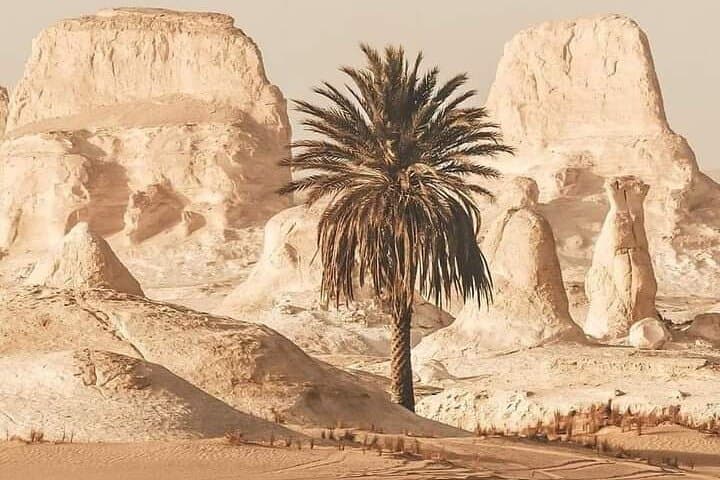
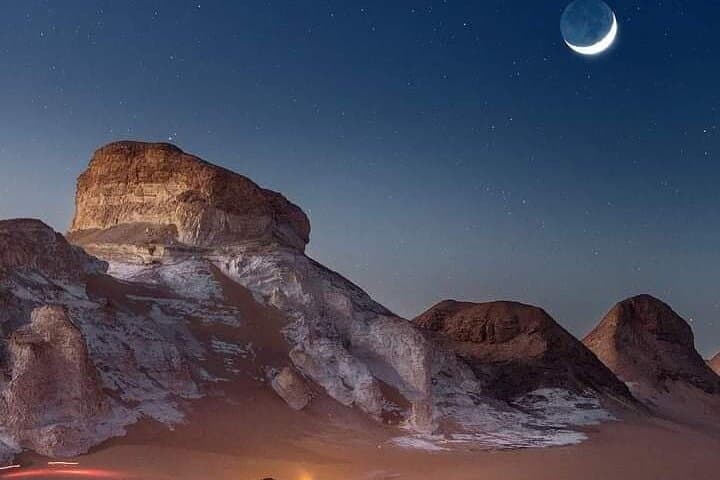
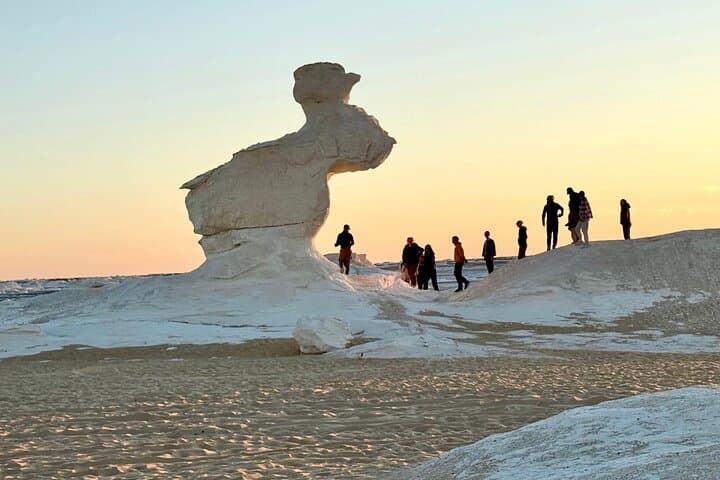
The night in the White Desert begins with a sky so full of stars it feels like a second landscape; dawn turns the chalk pinnacles pale and strange, like a city carved by wind. On this two-day safari travelers move between black volcanic outcrops and bright chalk mushrooms—Rabbit, Elephant, Chicken and Horse Rocks—camping in canvas tents and watching the desert change color as temperatures drop.
Verified experiences and guided adventures in the surrounding area.
Operated by white desert base · Farafra, New Valley
The night in the White Desert begins with a sky so full of stars it feels like a second landscape; dawn turns the chalk pinnacles pale and strange, like a city carved by wind. On this two-day safari travelers move between black volcanic outcrops and bright chalk mushrooms—Rabbit, Elephant, Chicken and Horse Rocks—camping in canvas tents and watching the desert change color as temperatures drop.
Geology here is immediate: wind and occasional rain have sculpted soft Cretaceous chalk into surreal shapes. The White Desert sits near Farafra Oasis in Egypt’s New Valley governorate, where ancient seas left layers of limestone that weather into the park’s signature forms. Culturally, the route threads oasis settlements and Bedouin routes; local guides share simple desert lore and the practical skills of overnight desert life.
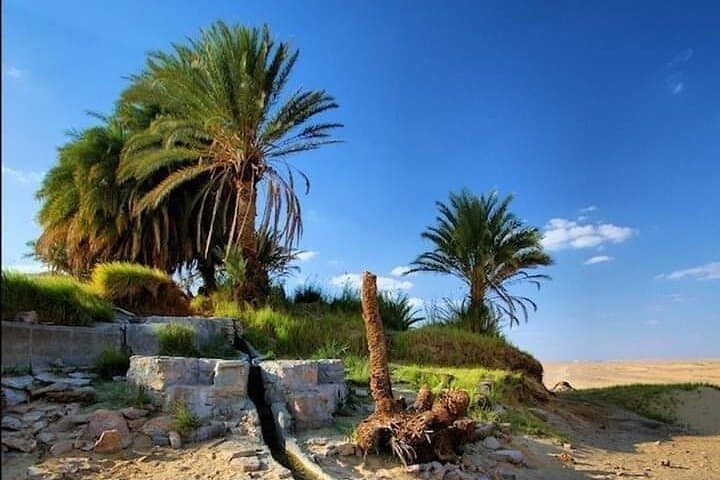
Expect active relaxation: daytime hikes among fragile formations, a sandboarding run on Akabat dunes, visits to a hot spring near El-Hayez and to Crystal Mountain’s sparkling quartz faces. Evenings center on camp routines—meals cooked on-site, a brief walk for sunset, and the steady hush of desert night.
Practical notes: temperatures swing dramatically—prepare for hot days and cold nights. Water, sun protection and sturdy footwear are essential; guides provide transport and tented accommodation but terrain is uneven. Leave no trace: the chalk crust is fragile and marked routes should be followed. Best time to visit is autumn through spring for cooler daytime highs; summer is intensely hot and requires extra planning.
This itinerary suits travelers seeking rugged yet accessible desert camping with short hikes and scenic stops rather than technical mountaineering.
moderate.
2 days.
Suitable for travelers in good general fitness; able to walk short distances across uneven sand and rock and manage basic camping routines.
The camp is in a protected desert area several hours’ drive from Farafra; guided transfers are provided and routes cross remote stretches with limited services.
Yes—tented accommodation and meals (breakfast, lunches and dinners as listed) are included; menus are basic and suitable for most diets with advance notice.
The operator notes accessibility options, but the desert terrain is uneven—families with young children or travelers with mobility limits should consult the provider about specific needs.
Autumn through spring offers milder daytime temperatures and cold nights; summer is very hot and requires extra water and heat-mitigation planning.
The White Desert’s chalk formations are ancient marine sediments sculpted by wind; the area sits along historic Bedouin routes linked to nearby oases.
The chalk crust and formations are fragile—stay on designated routes, remove all waste, and avoid climbing delicate sculptures to reduce erosion and disturbance.
white desert base operates guided outdoor trips and adventures with an emphasis on safety, stewardship, and memorable experiences.
The night in the White Desert begins with a sky so full of stars it feels like a second landscape; dawn turns the chalk pinnacles pale and strange, like a city carved by wind. On this two-day safari travelers move between black volcanic outcrops and bright chalk mushrooms—Rabbit, Elephant, Chicken and Horse Rocks—camping in canvas tents and watching the desert change color as temperatures drop.
The night in the White Desert begins with a sky so full of stars it feels like a second landscape; dawn turns the chalk pinnacles pale and strange, like a city carved by wind. On this two-day safari travelers move between black volcanic outcrops and bright chalk mushrooms—Rabbit, Elephant, Chicken and Horse Rocks—camping in canvas tents and watching the desert change color as temperatures drop.
Geology here is immediate: wind and occasional rain have sculpted soft Cretaceous chalk into surreal shapes. The White Desert sits near Farafra Oasis in Egypt’s New Valley governorate, where ancient seas left layers of limestone that weather into the park’s signature forms. Culturally, the route threads oasis settlements and Bedouin routes; local guides share simple desert lore and the practical skills of overnight desert life.
Expect active relaxation: daytime hikes among fragile formations, a sandboarding run on Akabat dunes, visits to a hot spring near El-Hayez and to Crystal Mountain’s sparkling quartz faces. Evenings center on camp routines—meals cooked on-site, a brief walk for sunset, and the steady hush of desert night.
Practical notes: temperatures swing dramatically—prepare for hot days and cold nights. Water, sun protection and sturdy footwear are essential; guides provide transport and tented accommodation but terrain is uneven. Leave no trace: the chalk crust is fragile and marked routes should be followed. Best time to visit is autumn through spring for cooler daytime highs; summer is intensely hot and requires extra planning.
This itinerary suits travelers seeking rugged yet accessible desert camping with short hikes and scenic stops rather than technical mountaineering.