THE ADVENTURE COLLECTIVE® · Independent discovery and booking for outdoor travel

Leave Cairo’s lights behind and spend two days in Egypt’s White Desert: 4x4 drives, sandboarding, one night of full-camp stargazing, and limestone formations shaped by millions of years of wind. This practical guide tells you what to expect and how to prepare.
Leave Cairo’s lights behind and spend two days in Egypt’s White Desert: 4x4 drives, sandboarding, one night of full-camp stargazing, and limestone formations shaped by millions of years of wind. This practical guide tells you what to expect and how to prepare.
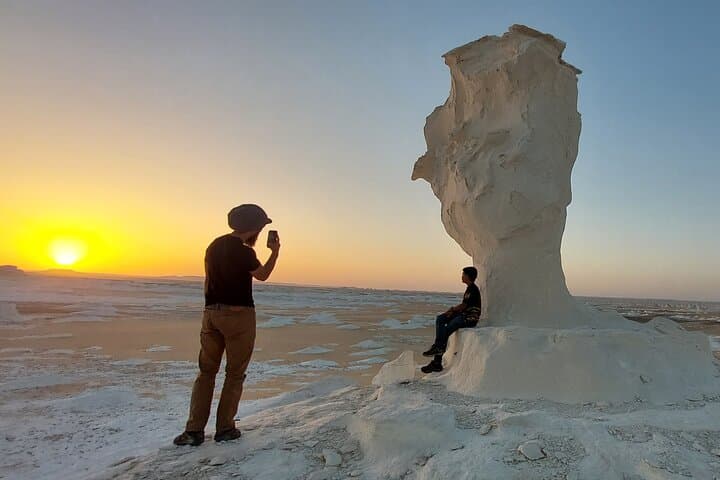
Night in the Western Desert begins with a long wash of stars and the soft hiss of sand under 4x4 tires. On this two-day stargazing safari you leave Cairo’s glow behind, cross palm-lined oases and black basalt fields, and arrive at the White Desert where chalky, wind-sculpted formations sit like snowdrifts in a sea of ochre sand.
Verified experiences and guided adventures in the surrounding area.
Operated by High Quality Tours Egypt · Farafra Oasis, New Valley Governorate
Night in the Western Desert begins with a long wash of stars and the soft hiss of sand under 4x4 tires. On this two-day stargazing safari you leave Cairo’s glow behind, cross palm-lined oases and black basalt fields, and arrive at the White Desert where chalky, wind-sculpted formations sit like snowdrifts in a sea of ochre sand.
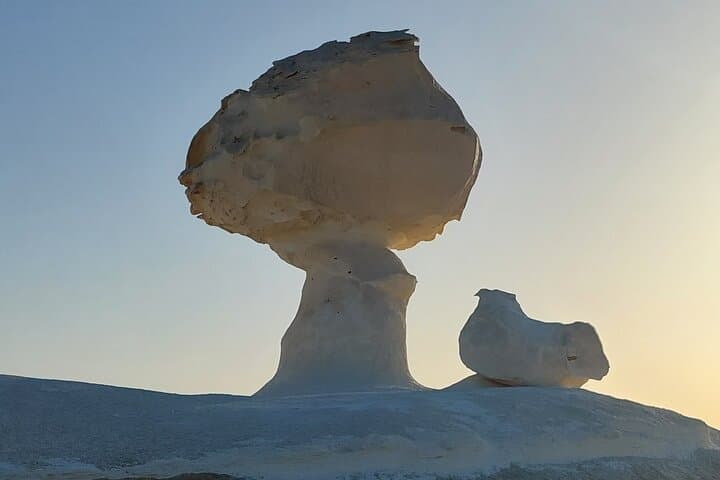
Geologically the White Desert is an Eocene limestone landscape carved by wind and occasional rain, its mushroom-shaped rock pillars the product of millions of years of erosion. Culturally, the route threads through Bahariya and Farafra oases — small communities with date palms, hot springs, and histories of caravan trade that brought people and goods across the Sahara.
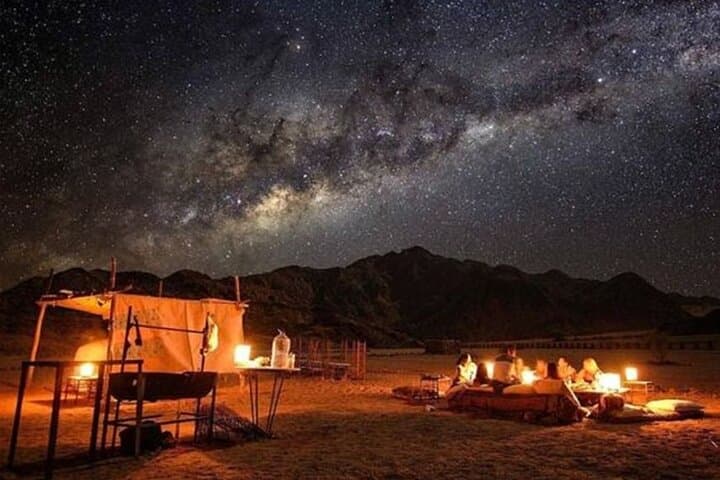
Expect a mix of off-road driving, short walks to viewpoints, sandboarding on dunes, and a single-night camp with tents, mattresses, and shared meals. Guides orient guests to the park regulations (entry fee typically charged at the reserve) and lead stargazing sessions where the Milky Way dominates the sky.
Practical notes: plan for long drives (several hours each way), big temperature swings (hot days, cold nights), and limited shade. Bring layers, at least 3–4 liters of water per person per day, sun protection, and a headlamp. If you want photos, arrive on clear nights and allow time to settle after sunset for long exposures. The experience is low-tech and immersive — the desert asks you to slow down, listen to the wind, and look up.
moderate.
2 days.
Moderate fitness: able to handle periods of standing, short hikes on uneven desert terrain, and getting in/out of 4x4s.
Driving time to Bahariya/White Desert can range from 4–6 hours each way depending on the route and traffic; most operators include private transfers.
Yes—tents, mattresses, blankets and basic sleeping gear are provided as part of the trip; personal sleeping bags can be brought for extra warmth.
All main meals (breakfast, lunch, dinner) and non-alcoholic beverages including mineral water and tea/coffee are typically included; bring extra snacks if you prefer.
Children can join but families should be prepared for long drives, limited facilities, and desert conditions; infants often must sit on laps during transfers.
The Western Desert oases were stops on caravan routes; rock formations here record marine sedimentation from when the region was part of an ancient sea.
The White Desert is a protected reserve — stick to established trails, avoid carving or climbing fragile formations, and carry out all waste to limit impact.
High Quality Tours Egypt operates guided outdoor trips and adventures with an emphasis on safety, stewardship, and memorable experiences.
Night in the Western Desert begins with a long wash of stars and the soft hiss of sand under 4x4 tires. On this two-day stargazing safari you leave Cairo’s glow behind, cross palm-lined oases and black basalt fields, and arrive at the White Desert where chalky, wind-sculpted formations sit like snowdrifts in a sea of ochre sand.
Night in the Western Desert begins with a long wash of stars and the soft hiss of sand under 4x4 tires. On this two-day stargazing safari you leave Cairo’s glow behind, cross palm-lined oases and black basalt fields, and arrive at the White Desert where chalky, wind-sculpted formations sit like snowdrifts in a sea of ochre sand.
Geologically the White Desert is an Eocene limestone landscape carved by wind and occasional rain, its mushroom-shaped rock pillars the product of millions of years of erosion. Culturally, the route threads through Bahariya and Farafra oases — small communities with date palms, hot springs, and histories of caravan trade that brought people and goods across the Sahara.
Expect a mix of off-road driving, short walks to viewpoints, sandboarding on dunes, and a single-night camp with tents, mattresses, and shared meals. Guides orient guests to the park regulations (entry fee typically charged at the reserve) and lead stargazing sessions where the Milky Way dominates the sky.
Practical notes: plan for long drives (several hours each way), big temperature swings (hot days, cold nights), and limited shade. Bring layers, at least 3–4 liters of water per person per day, sun protection, and a headlamp. If you want photos, arrive on clear nights and allow time to settle after sunset for long exposures. The experience is low-tech and immersive — the desert asks you to slow down, listen to the wind, and look up.