THE ADVENTURE COLLECTIVE® · Independent discovery and booking for outdoor travel

A full-day 4x4 excursion from Cairo that pairs Bahariya Oasis’s palm groves and archaeological finds with the otherworldly rock sculptures of Egypt’s White Desert. Expect long drives, short walks across sand and a handful of unforgettable vistas.
A full-day 4x4 excursion from Cairo that pairs Bahariya Oasis’s palm groves and archaeological finds with the otherworldly rock sculptures of Egypt’s White Desert. Expect long drives, short walks across sand and a handful of unforgettable vistas.
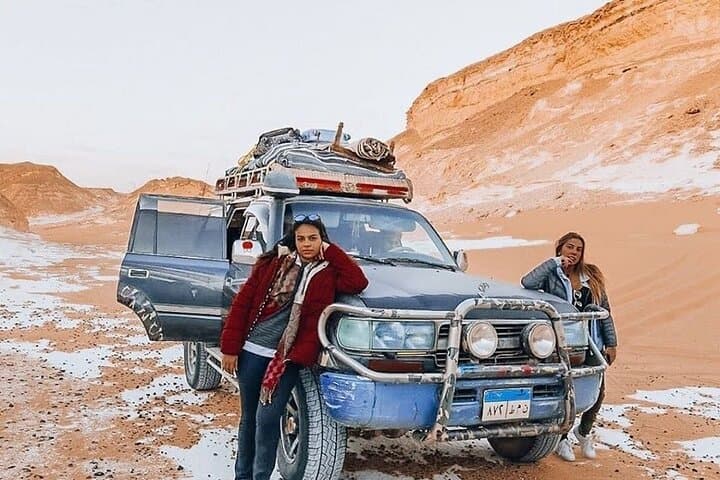
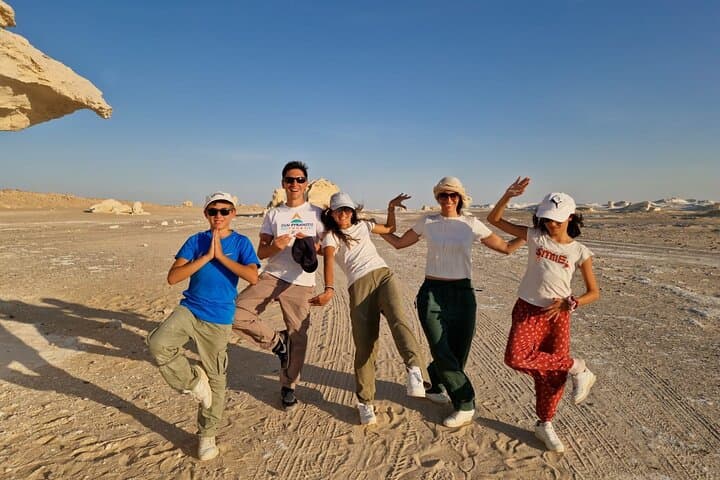
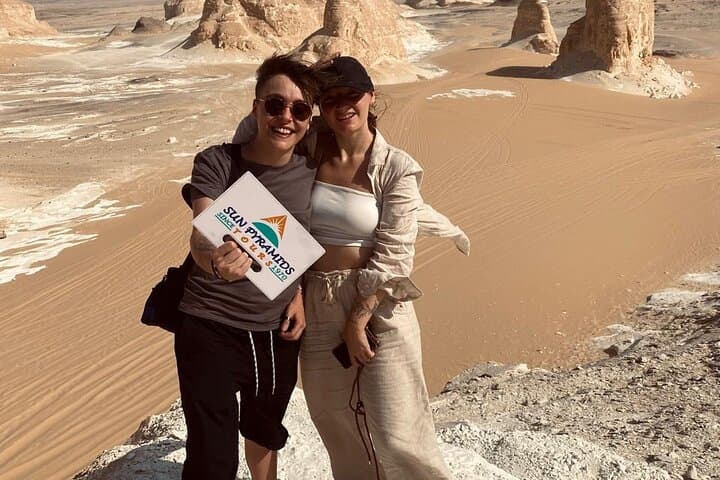
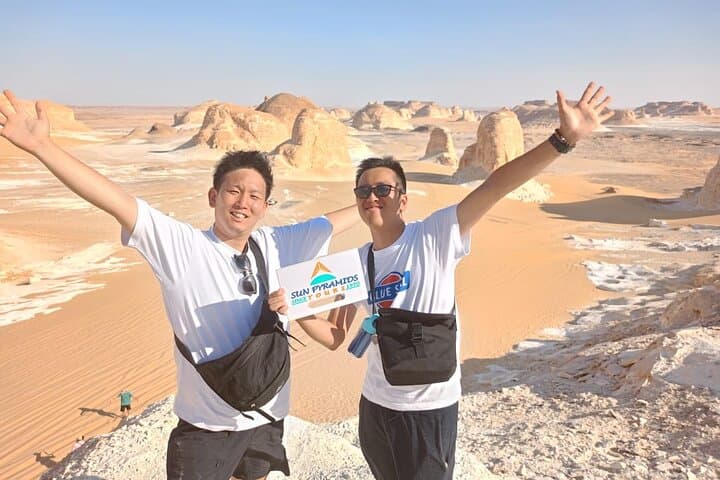
Morning light on the desert arrives as a long ribbon of road from Cairo gives way to ochre flats and distant ridgelines. By mid-morning the palms of Bahariya Oasis appear like an abrupt placard of green; by afternoon the landscape has changed again — dunes, volcanic hills of the Black Desert and the surreal chalk mushrooms of the White Desert, wind-sculpted into oversized chess pieces.
Verified experiences and guided adventures in the surrounding area.
Operated by This Is Egypt Aswan · Bahariya Oasis, Giza Governorate
Morning light on the desert arrives as a long ribbon of road from Cairo gives way to ochre flats and distant ridgelines. By mid-morning the palms of Bahariya Oasis appear like an abrupt placard of green; by afternoon the landscape has changed again — dunes, volcanic hills of the Black Desert and the surreal chalk mushrooms of the White Desert, wind-sculpted into oversized chess pieces.
Bahariya has been a crossroads for millennia: Pharaonic quarry routes, Greco-Roman settlements and the discovery of the so-called Bahariya mummies mark the area’s layered past. Geologically the White Desert is largely chalk and calcite shaped by sand-laden winds, while nearby Crystal Mountain is a seam of giant quartz that glints under the sun. Local communities continue oasis agriculture — date palms and seasonal vegetables — and Bedouin guides still read the dunes the way their families have for generations.
Practically, expect a full 12-hour day with roughly 3.5–4 hours driving each way from Cairo in a private 4x4 and several short walks across sand and rock. Wear sturdy closed-toe shoes, sun protection and layers for temperature swings; carry at least 2–3 liters of water. Photography windows are frequent — early light on sandstone, noon on white chalk forms — and the guide typically includes the Mummy Museum, Crystal Mountain, salt flats and the hot springs at the Valley of El Haze.
Bring passport copy for permits, be prepared for dust and uneven footing, and leave no trace: the wind-carved shapes are fragile and irreplaceable.
moderate.
12 hours.
Suitable for people in average fitness; involves multiple short walks over sand and uneven rock and long vehicle transfers.
The transfer to Bahariya Oasis takes about 3.5–4 hours each way depending on traffic and road conditions, so expect long stretches in the vehicle.
Yes — the tour is described as suitable for all fitness levels, but families should plan for long drives and bring appropriate sun and heat protection for children.
A soft copy of passports is usually requested 24 hours before travel to issue necessary desert permits; carry your passport during the tour if requested by the operator.
Comfort stops are available at local restaurants and oasis facilities; facilities in remote desert sites are limited, so plan accordingly.
Bahariya has layers of history from Pharaonic trade routes to Greco-Roman settlements and is noted for archaeological finds including preserved mummies from Late Antiquity.
The chalk formations are fragile; avoid climbing delicate structures and pack out all trash — local guides promote low-impact visitation to preserve the park.
This Is Egypt Aswan operates guided outdoor trips and adventures with an emphasis on safety, stewardship, and memorable experiences.
Morning light on the desert arrives as a long ribbon of road from Cairo gives way to ochre flats and distant ridgelines. By mid-morning the palms of Bahariya Oasis appear like an abrupt placard of green; by afternoon the landscape has changed again — dunes, volcanic hills of the Black Desert and the surreal chalk mushrooms of the White Desert, wind-sculpted into oversized chess pieces.
Morning light on the desert arrives as a long ribbon of road from Cairo gives way to ochre flats and distant ridgelines. By mid-morning the palms of Bahariya Oasis appear like an abrupt placard of green; by afternoon the landscape has changed again — dunes, volcanic hills of the Black Desert and the surreal chalk mushrooms of the White Desert, wind-sculpted into oversized chess pieces.
Bahariya has been a crossroads for millennia: Pharaonic quarry routes, Greco-Roman settlements and the discovery of the so-called Bahariya mummies mark the area’s layered past. Geologically the White Desert is largely chalk and calcite shaped by sand-laden winds, while nearby Crystal Mountain is a seam of giant quartz that glints under the sun. Local communities continue oasis agriculture — date palms and seasonal vegetables — and Bedouin guides still read the dunes the way their families have for generations.
Practically, expect a full 12-hour day with roughly 3.5–4 hours driving each way from Cairo in a private 4x4 and several short walks across sand and rock. Wear sturdy closed-toe shoes, sun protection and layers for temperature swings; carry at least 2–3 liters of water. Photography windows are frequent — early light on sandstone, noon on white chalk forms — and the guide typically includes the Mummy Museum, Crystal Mountain, salt flats and the hot springs at the Valley of El Haze.
Bring passport copy for permits, be prepared for dust and uneven footing, and leave no trace: the wind-carved shapes are fragile and irreplaceable.