THE ADVENTURE COLLECTIVE® · Independent discovery and booking for outdoor travel

A compact two-day journey from Cairo that pairs the palm-lined Bahariya Oasis with the otherworldly White Desert. Expect long 4x4 drives, easy desert walks, a night of tent camping and dramatic sunrise/sunset photo opportunities.
A compact two-day journey from Cairo that pairs the palm-lined Bahariya Oasis with the otherworldly White Desert. Expect long 4x4 drives, easy desert walks, a night of tent camping and dramatic sunrise/sunset photo opportunities.
The convoy slips away from Cairo before sunrise and the highway thins into open sand—four hours of flat asphalt, then 4x4s kick up dust as palms of Bahariya Oasis give way to black volcanic shoulders and white chalk spires.
Verified experiences and guided adventures in the surrounding area.
Operated by Adam's Tours · Bahariya Oasis (El-Bawiti), New Valley Governorate
The convoy slips away from Cairo before sunrise and the highway thins into open sand—four hours of flat asphalt, then 4x4s kick up dust as palms of Bahariya Oasis give way to black volcanic shoulders and white chalk spires.
Geology writes itself here: the Black Desert’s jasper-streaked volcanic hills at Jebel Marsous stand like weathered iron while the White Desert’s sculpted limestone plates have been whittled into mushrooms and arches by relentless wind and sand. The oasis brings its own contrast—palm groves, a cold sulfur spring in a Bedouin village and natural hot springs where locals have bathed for generations. Bahariya’s human story includes Pharaonic-era routes and the nearby Valley of the Golden Mummies, a reminder that life has long persisted on the desert’s edge.
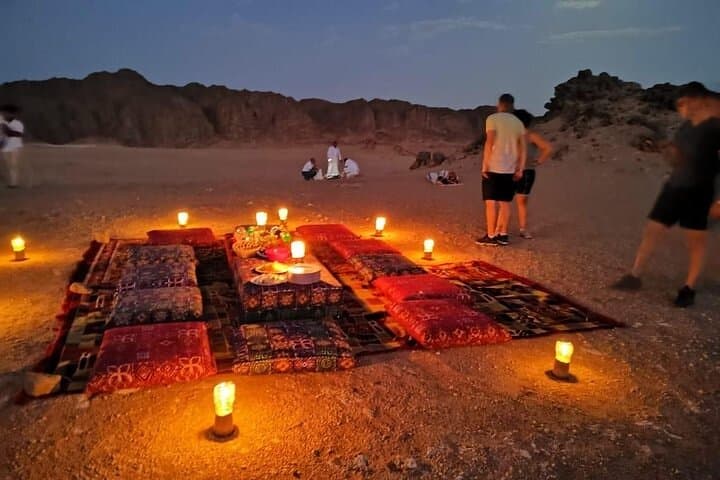
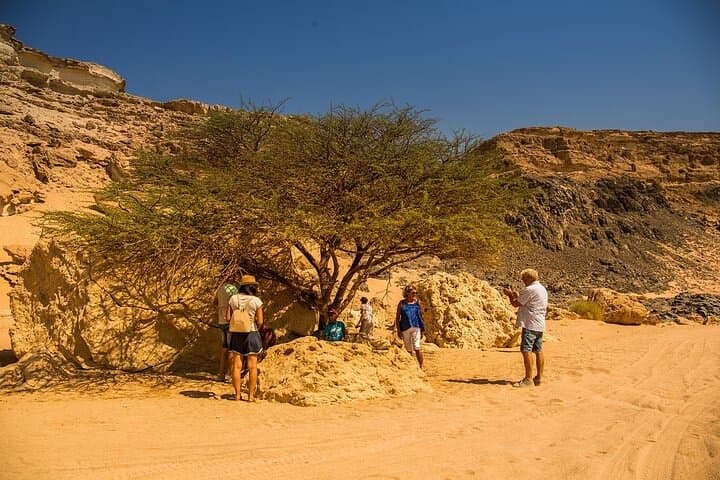
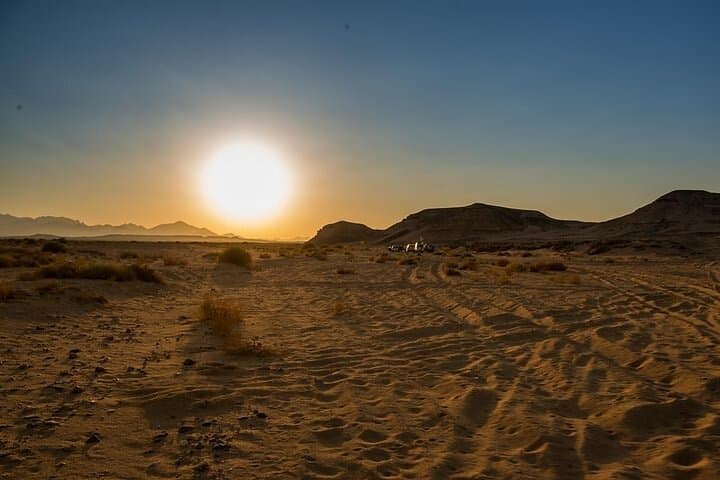
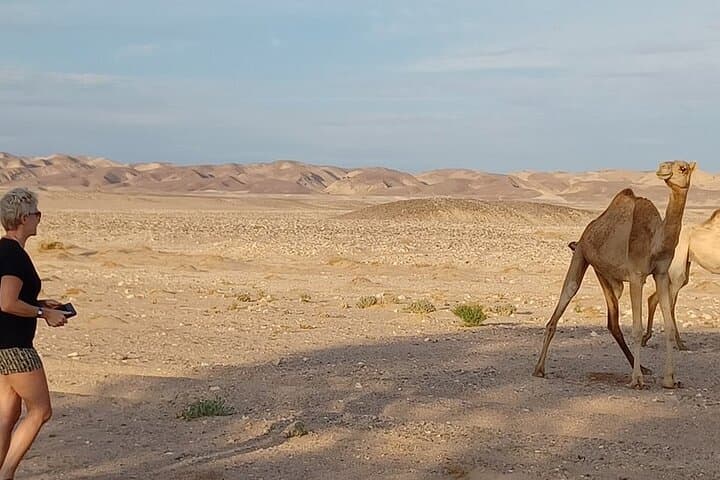
Expect a blend of vehicle travel and easy walking over sand and packed dirt. Nights are spent under dome tents or star-spread skies; daytime offers bold light for photography at sunrise and sunset. Guides share local culture and point out wildlife tracks—foxes and gazelles may flit past in early morning.
Practical edge: carry at least 2–3 liters of water per person, sun protection, and a warm layer for cold desert nights. Sturdy shoes with grip are useful for walking on broken chalk and sand. Plan to avoid the midday heat for longer excursions, keep to marked tracks, and pack out litter. With basic preparation you’ll move from lush palms to lunar white fields in two compact days—an intimate, accessible slice of Egypt’s desert theater.
moderate.
48 hours (2 days).
Good for most travelers who can handle long vehicle drives, short easy hikes over sand and uneven rock, and basic overnight camping.
The transfer is approximately 350 km and typically takes about four hours one-way by road before switching to 4x4 for desert tracks.
Yes—one night of camping in dome tents with mattresses, blankets and sleeping bags is included; facilities are basic and designed for desert safari comfort.
The operator lists wheelchair-accessible transport and pickup options, but desert terrain can be uneven—check with the provider if you require full accessibility for on-site walking or transfers.
Bring extra batteries, a headlamp and a portable power bank since charging options in the field are limited; the long drives and outdoor nights are excellent for low-light and star photography.
Bahariya has been inhabited since Pharaonic times; the oasis is near archaeological finds like the Valley of the Golden Mummies, highlighting long-term desert habitation.
The White Desert’s chalk formations are fragile—stay on designated routes, pack out waste, and avoid collecting rocks or fossils to minimize impact.
Adam's Tours operates guided outdoor trips and adventures with an emphasis on safety, stewardship, and memorable experiences.
The convoy slips away from Cairo before sunrise and the highway thins into open sand—four hours of flat asphalt, then 4x4s kick up dust as palms of Bahariya Oasis give way to black volcanic shoulders and white chalk spires.
The convoy slips away from Cairo before sunrise and the highway thins into open sand—four hours of flat asphalt, then 4x4s kick up dust as palms of Bahariya Oasis give way to black volcanic shoulders and white chalk spires.
Geology writes itself here: the Black Desert’s jasper-streaked volcanic hills at Jebel Marsous stand like weathered iron while the White Desert’s sculpted limestone plates have been whittled into mushrooms and arches by relentless wind and sand. The oasis brings its own contrast—palm groves, a cold sulfur spring in a Bedouin village and natural hot springs where locals have bathed for generations. Bahariya’s human story includes Pharaonic-era routes and the nearby Valley of the Golden Mummies, a reminder that life has long persisted on the desert’s edge.
Expect a blend of vehicle travel and easy walking over sand and packed dirt. Nights are spent under dome tents or star-spread skies; daytime offers bold light for photography at sunrise and sunset. Guides share local culture and point out wildlife tracks—foxes and gazelles may flit past in early morning.
Practical edge: carry at least 2–3 liters of water per person, sun protection, and a warm layer for cold desert nights. Sturdy shoes with grip are useful for walking on broken chalk and sand. Plan to avoid the midday heat for longer excursions, keep to marked tracks, and pack out litter. With basic preparation you’ll move from lush palms to lunar white fields in two compact days—an intimate, accessible slice of Egypt’s desert theater.