THE ADVENTURE COLLECTIVE® · Independent discovery and booking for outdoor travel

Experience two days of surreal desert scenery on a private 4x4 safari from Cairo to Bahariya Oasis and the White Desert. Camp overnight among sculpted chalk formations, soak in a natural hot spring, and watch sunset over crystal-strewn ridges.
Experience two days of surreal desert scenery on a private 4x4 safari from Cairo to Bahariya Oasis and the White Desert. Camp overnight among sculpted chalk formations, soak in a natural hot spring, and watch sunset over crystal-strewn ridges.
You arrive before dawn on a four-hour drive from Cairo, windows catching the flat, iron-streaked plains until the air thins and dunes begin to shape the horizon.
Verified experiences and guided adventures in the surrounding area.
Operated by Marsa Alam Tours · Bawiti, Giza
You arrive before dawn on a four-hour drive from Cairo, windows catching the flat, iron-streaked plains until the air thins and dunes begin to shape the horizon.
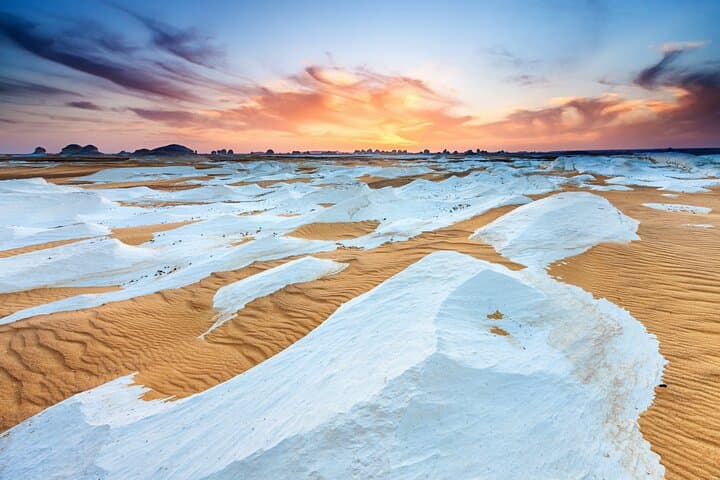
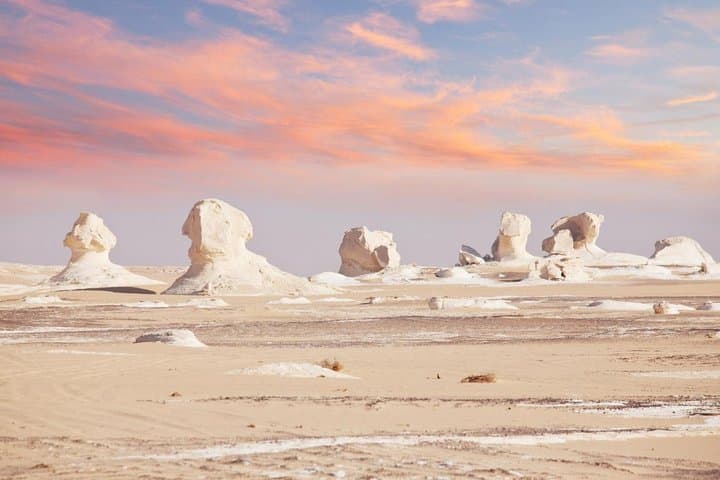
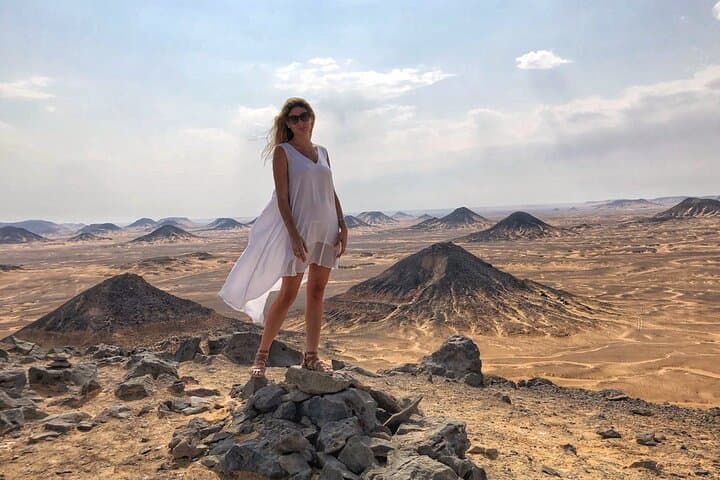
By midmorning the 4x4 drops you at the Black Desert—its dark, volcanic-looking cappings daring you to climb their slopes—and later the landscape opens into the White Desert, a moonscape of chalk and limestone sculpted by wind and time. Crystal Mountain gleams on the return route; in late afternoon the quartz faces flash like a found treasure.
This region has a layered history: Eocene limestones host iron deposits that fed nearby steel works, and Roman-era settlements left traces around El Haize’s thermal spring. The geology is straightforward: soft chalk and limestone erode into mushrooms, pillars, and flat-topped plates, while isolated quartz outcrops create localized micro-features. Local Bedouin guides maintain camp routines and provide insight into traditional desert life—expect simple, hearty meals and a quiet night under a broad, cold sky.
Practically, the trip is a short, low-impact expedition: light hikes to viewpoints, jeep transfers between features, and one night of tent camping with provided sleeping bags and mattresses. Temperatures can swing widely—hot days, sharply cold nights—so layers are essential. Carry ample water, sun protection, and a small daypack for cameras and snacks. Timing your visit for spring or fall gives milder days and comfortable evenings; winter brings cold nights and summer, intense heat. The route is suitable for most fitness levels but requires sensible footwear and awareness of loose, uneven surfaces.
moderate.
2 days.
Suitable for travelers in average physical condition—short hikes and easy scrambling; capable of stepping in and out of 4x4s.
No personal permit is required for standard tourist routes; this tour includes park entrance where applicable and uses licensed guides.
The tour provides tents, mattresses, and sleeping bags; camps are basic and run by Bedouin staff—expect communal dining and simple facilities.
Yes—vegetarian options are available; inform the operator ahead of time for other dietary needs or allergies.
Children can join but must be supervised; those with serious mobility limitations may find jeep access and uneven ground challenging—notify the operator before booking.
The Bahariya region was important in Roman times and sits atop Eocene limestone layers that also contain iron ore deposits used historically and today.
White Desert’s chalk formations are fragile—stay on established routes, avoid climbing delicate mushroom rocks, and follow Leave No Trace principles to minimize impact.
Marsa Alam Tours operates guided outdoor trips and adventures with an emphasis on safety, stewardship, and memorable experiences.
You arrive before dawn on a four-hour drive from Cairo, windows catching the flat, iron-streaked plains until the air thins and dunes begin to shape the horizon.
You arrive before dawn on a four-hour drive from Cairo, windows catching the flat, iron-streaked plains until the air thins and dunes begin to shape the horizon.
By midmorning the 4x4 drops you at the Black Desert—its dark, volcanic-looking cappings daring you to climb their slopes—and later the landscape opens into the White Desert, a moonscape of chalk and limestone sculpted by wind and time. Crystal Mountain gleams on the return route; in late afternoon the quartz faces flash like a found treasure.
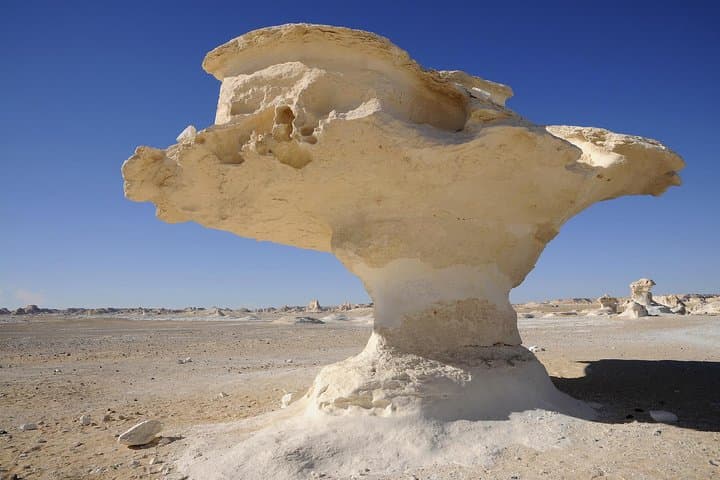
This region has a layered history: Eocene limestones host iron deposits that fed nearby steel works, and Roman-era settlements left traces around El Haize’s thermal spring. The geology is straightforward: soft chalk and limestone erode into mushrooms, pillars, and flat-topped plates, while isolated quartz outcrops create localized micro-features. Local Bedouin guides maintain camp routines and provide insight into traditional desert life—expect simple, hearty meals and a quiet night under a broad, cold sky.
Practically, the trip is a short, low-impact expedition: light hikes to viewpoints, jeep transfers between features, and one night of tent camping with provided sleeping bags and mattresses. Temperatures can swing widely—hot days, sharply cold nights—so layers are essential. Carry ample water, sun protection, and a small daypack for cameras and snacks. Timing your visit for spring or fall gives milder days and comfortable evenings; winter brings cold nights and summer, intense heat. The route is suitable for most fitness levels but requires sensible footwear and awareness of loose, uneven surfaces.