THE ADVENTURE COLLECTIVE® · Independent discovery and booking for outdoor travel

Drive 360 km from Cairo to Bahariya Oasis, explore quartz hills, Black Desert valleys and the surreal mushroom rocks of the White Desert, and camp beneath a fierce desert sky. This two-day trip pairs geology with Greco-Roman burial sites and local hot springs.
Drive 360 km from Cairo to Bahariya Oasis, explore quartz hills, Black Desert valleys and the surreal mushroom rocks of the White Desert, and camp beneath a fierce desert sky. This two-day trip pairs geology with Greco-Roman burial sites and local hot springs.
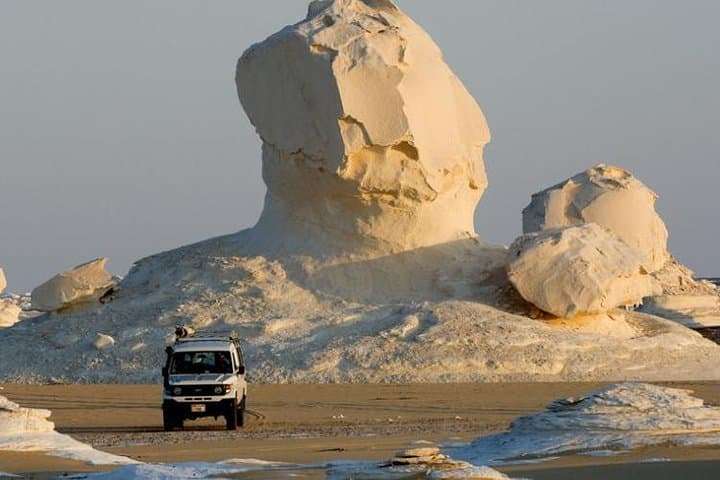
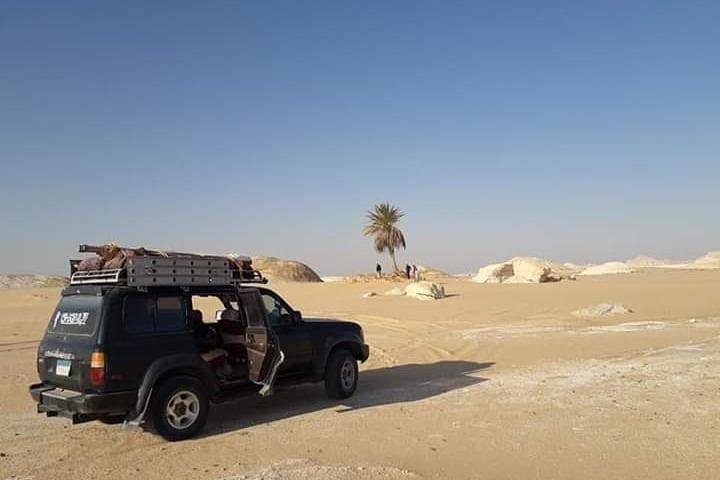
You step out of the 4x4 into a white plain that feels almost lunar; wind-sculpted chalk pillars rise like stacked pebbles and the late-afternoon sun sharpens every edge. The road from Cairo is a slow unspooling of asphalt, then gravel, then the hush of dunes—about 360 km and roughly four hours to Bahariya Oasis—where palm groves and hot springs signal a sudden, human scale.
Verified experiences and guided adventures in the surrounding area.
Operated by Visitors Egypt Tours · Bahariya Oasis, Giza Governorate
You step out of the 4x4 into a white plain that feels almost lunar; wind-sculpted chalk pillars rise like stacked pebbles and the late-afternoon sun sharpens every edge. The road from Cairo is a slow unspooling of asphalt, then gravel, then the hush of dunes—about 360 km and roughly four hours to Bahariya Oasis—where palm groves and hot springs signal a sudden, human scale.
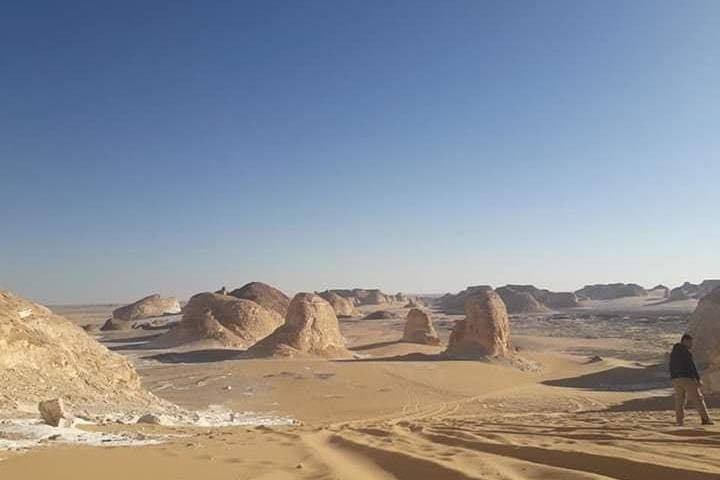
This circuit pairs natural oddities with human history: Bahariya’s Greco-Roman burial sites and 26th-dynasty tombs speak to a long-lived oasis culture, while the nearby Crystal Mountain and Valley of Agabat reveal quartz and dark basalt among sand. The White Desert National Park is primarily chalk—soft limestone and silica—carved by wind into mushroom-like pinnacles that insist on inspection at close range.
Expect a practical desert rhythm: short walks to viewpoints, a guided visit to the Golden Mummies exhibit, and an overnight camp beneath a wide sky (or a hotel in Farafra when available). Nights are cold; days are brutally sunny. Hydration, sun protection, and steady footwear matter more than speed.
Plan for early starts to catch morning light on the mushroom rocks and to avoid midday heat when crossing exposed plateaus. Local guides manage driving across soft sand and handle permits and fees—bring cash for small purchases. Respect archaeological sites, pack out trash, and keep campfires controlled: the desert recovers slowly.
This two-day loop balances accessible exploration with striking geology and cultural touchpoints—ideal for travelers who want dramatic landscapes without technical climbing.
moderate.
2 days (approx. 48 hours).
Light-to-moderate fitness: able to do short hikes on sand and uneven rock and tolerate long vehicle transfers.
The transfer is about 360 km and typically takes around four hours each way by private air-conditioned vehicle, depending on traffic and stops.
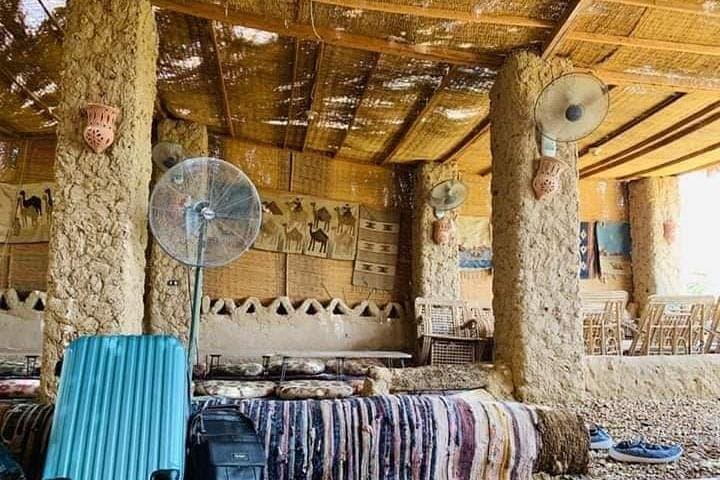
The itinerary includes one night of desert camping; expect basic desert camp facilities—sleeping mats and a tent setup—or an option to overnight in Farafra if available.
Entrance fees to the mentioned historical places are included in this tour, but bring cash for optional purchases or donations at local sites.
The activity is listed as wheelchair accessible in booking info, but soft sand and uneven surfaces at outdoor sites can limit access; consult the operator ahead for specific needs.
Bahariya Oasis contains archaeological layers from ancient Egyptian dynasties through the Greco-Roman period; the region’s ‘Golden Mummies’ discovery highlights its funerary prominence.
This is a fragile chalk and sand environment—practice leave-no-trace, avoid climbing fragile formations, and minimize campfire impact to protect soils and rare vegetation.
Visitors Egypt Tours operates guided outdoor trips and adventures with an emphasis on safety, stewardship, and memorable experiences.
You step out of the 4x4 into a white plain that feels almost lunar; wind-sculpted chalk pillars rise like stacked pebbles and the late-afternoon sun sharpens every edge. The road from Cairo is a slow unspooling of asphalt, then gravel, then the hush of dunes—about 360 km and roughly four hours to Bahariya Oasis—where palm groves and hot springs signal a sudden, human scale.
You step out of the 4x4 into a white plain that feels almost lunar; wind-sculpted chalk pillars rise like stacked pebbles and the late-afternoon sun sharpens every edge. The road from Cairo is a slow unspooling of asphalt, then gravel, then the hush of dunes—about 360 km and roughly four hours to Bahariya Oasis—where palm groves and hot springs signal a sudden, human scale.
This circuit pairs natural oddities with human history: Bahariya’s Greco-Roman burial sites and 26th-dynasty tombs speak to a long-lived oasis culture, while the nearby Crystal Mountain and Valley of Agabat reveal quartz and dark basalt among sand. The White Desert National Park is primarily chalk—soft limestone and silica—carved by wind into mushroom-like pinnacles that insist on inspection at close range.
Expect a practical desert rhythm: short walks to viewpoints, a guided visit to the Golden Mummies exhibit, and an overnight camp beneath a wide sky (or a hotel in Farafra when available). Nights are cold; days are brutally sunny. Hydration, sun protection, and steady footwear matter more than speed.
Plan for early starts to catch morning light on the mushroom rocks and to avoid midday heat when crossing exposed plateaus. Local guides manage driving across soft sand and handle permits and fees—bring cash for small purchases. Respect archaeological sites, pack out trash, and keep campfires controlled: the desert recovers slowly.
This two-day loop balances accessible exploration with striking geology and cultural touchpoints—ideal for travelers who want dramatic landscapes without technical climbing.