THE ADVENTURE COLLECTIVE® · Independent discovery and booking for outdoor travel

Progress beyond the groomed trails on a three-hour backcountry snowmobile tour from Whistler. Ride forested tracks and frozen lakes with experienced guides, suitable for intermediate riders.
Progress beyond the groomed trails on a three-hour backcountry snowmobile tour from Whistler. Ride forested tracks and frozen lakes with experienced guides, suitable for intermediate riders.
You push through a stand of spruce and the valley opens: wind-sculpted snow, a distant ridge rimmed in blue, and the skeletal trunks of trees that the machines have cut through like punctuation. The Whistler Wilderness Run drops you into BC's winter spine — a raw, mechanized plunge into forest trails and the wide, frozen surfaces of alpine lakes when conditions allow.
Verified experiences and guided adventures in the surrounding area.
Operated by Canadian Wilderness Adventures · Whistler, British Columbia
You push through a stand of spruce and the valley opens: wind-sculpted snow, a distant ridge rimmed in blue, and the skeletal trunks of trees that the machines have cut through like punctuation. The Whistler Wilderness Run drops you into BC's winter spine — a raw, mechanized plunge into forest trails and the wide, frozen surfaces of alpine lakes when conditions allow.
This landscape sits on traditional Squamish and Lil'wat territory, reworked over decades by logging, skiing and, more recently, recreational backcountry use. Geology here is young Coast Range — granite outcrops and glacially carved basins that hold snow through long winters and feed creeks that will roar come spring.
Culturally, Whistler’s modern outdoor scene mixes Indigenous stewardship with an international ski-town vibe; guides often weave local stories into route briefings while respecting seasonal closures and wildlife corridors.
Practical guidance: tours run about three hours including shuttle and training, and suit intermediate riders comfortable with basic motorized handling. Expect variable terrain — packed trails, soft snowfields, and occasionally exposed lake ice. Noise and exhaust matter: use the provided helmets and goggles, keep to the group's pace, and follow guide instructions for safe passing and stopping.
Timing is everything — colder, stable weather makes for faster access to frozen lakes; spring thaw closes some routes. Bring insulated, layered clothing, waterproof boots, and a sense of mechanical respect: you’re riding a powerful machine through sensitive winter habitat. When you pull off for a lookout, the air feels like a clean, deliberate pull: the mountain letting you in on a secret, briefly and on its terms.
moderate.
3 hours.
Moderate fitness; able to handle short periods of standing, steering feedback, and basic physical control of the machine.
Minimum passenger age is 10 years old and minimum height is 48"; drivers must be 19+ with a valid license.
The tour is aimed at intermediate riders; prior ATV or motorcycle experience is helpful but guides provide training before you start.
Tours operate in most winter conditions — the operator works in variable weather but will cancel for safety; cancel at least 24 hours for a full refund if needed.
Yes — the maximum combined weight per snowmobile is 375 lbs / 170 kg; the operator enforces this for safety and balance.
The area sits on Squamish and Lil'wat traditional territory and later saw logging and ski development; Callaghan Valley hosted venues for the 2010 Winter Olympics.
Stay on designated routes to protect wintering wildlife and fragile alpine plants; minimize idling and follow fuel-handling guidelines to reduce impact.
Canadian Wilderness Adventures operates guided outdoor trips and adventures with an emphasis on safety, stewardship, and memorable experiences.
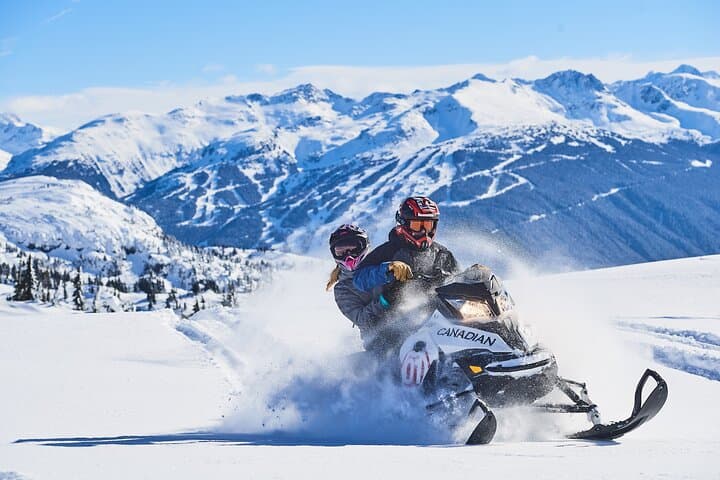
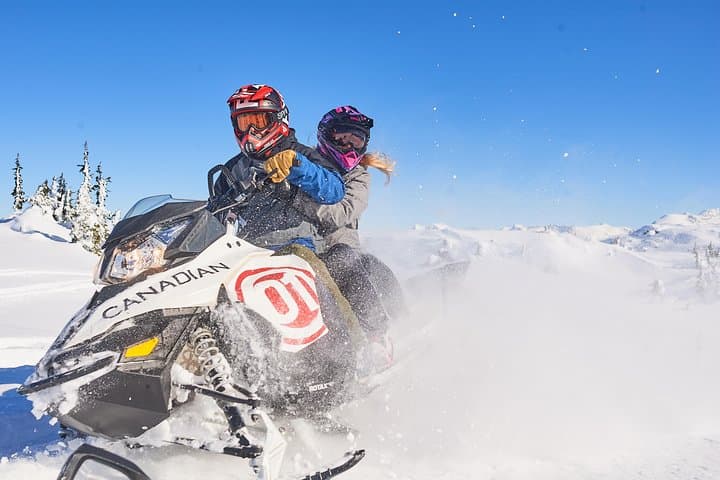
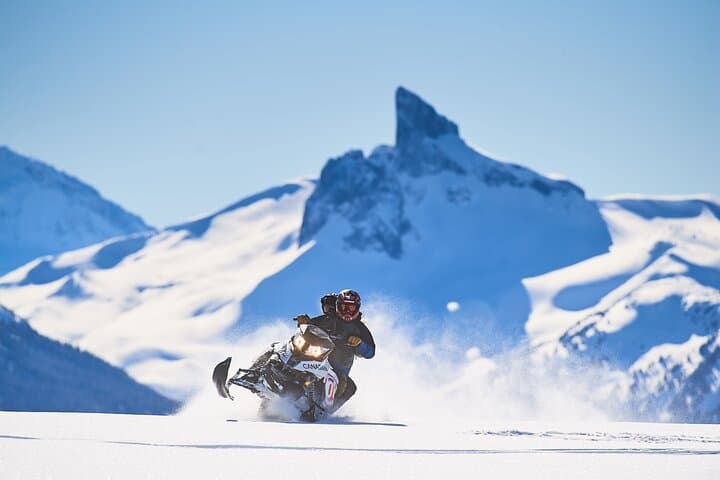
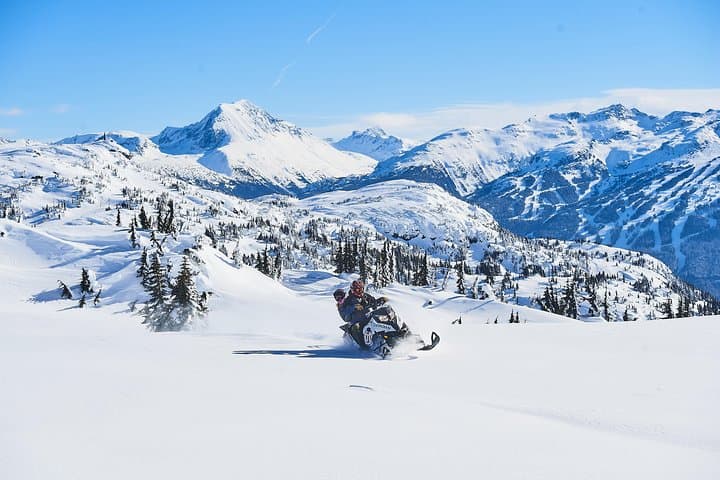
You push through a stand of spruce and the valley opens: wind-sculpted snow, a distant ridge rimmed in blue, and the skeletal trunks of trees that the machines have cut through like punctuation. The Whistler Wilderness Run drops you into BC's winter spine — a raw, mechanized plunge into forest trails and the wide, frozen surfaces of alpine lakes when conditions allow.
You push through a stand of spruce and the valley opens: wind-sculpted snow, a distant ridge rimmed in blue, and the skeletal trunks of trees that the machines have cut through like punctuation. The Whistler Wilderness Run drops you into BC's winter spine — a raw, mechanized plunge into forest trails and the wide, frozen surfaces of alpine lakes when conditions allow.
This landscape sits on traditional Squamish and Lil'wat territory, reworked over decades by logging, skiing and, more recently, recreational backcountry use. Geology here is young Coast Range — granite outcrops and glacially carved basins that hold snow through long winters and feed creeks that will roar come spring.
Culturally, Whistler’s modern outdoor scene mixes Indigenous stewardship with an international ski-town vibe; guides often weave local stories into route briefings while respecting seasonal closures and wildlife corridors.
Practical guidance: tours run about three hours including shuttle and training, and suit intermediate riders comfortable with basic motorized handling. Expect variable terrain — packed trails, soft snowfields, and occasionally exposed lake ice. Noise and exhaust matter: use the provided helmets and goggles, keep to the group's pace, and follow guide instructions for safe passing and stopping.
Timing is everything — colder, stable weather makes for faster access to frozen lakes; spring thaw closes some routes. Bring insulated, layered clothing, waterproof boots, and a sense of mechanical respect: you’re riding a powerful machine through sensitive winter habitat. When you pull off for a lookout, the air feels like a clean, deliberate pull: the mountain letting you in on a secret, briefly and on its terms.