THE ADVENTURE COLLECTIVE® · Independent discovery and booking for outdoor travel

A short, immersive guided hike that threads cedar forest, a swaying suspension bridge, and a graffiti-strewn train wreck along the turquoise Cheakamus River. Perfect for half-day explorers wanting geology, history, and dramatic photo ops.
A short, immersive guided hike that threads cedar forest, a swaying suspension bridge, and a graffiti-strewn train wreck along the turquoise Cheakamus River. Perfect for half-day explorers wanting geology, history, and dramatic photo ops.
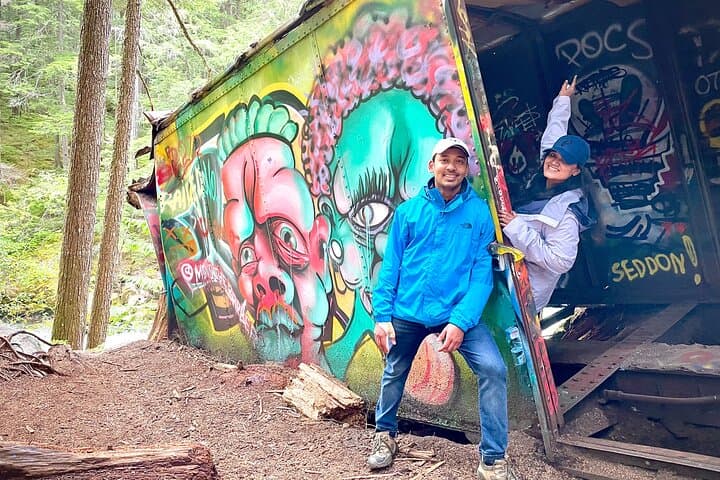
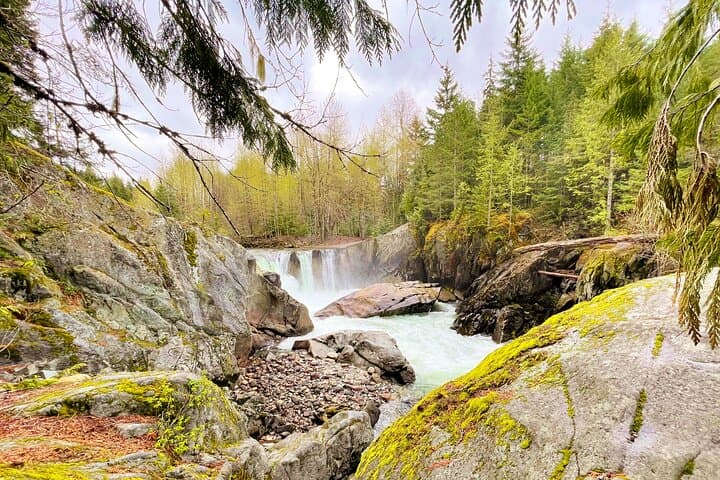
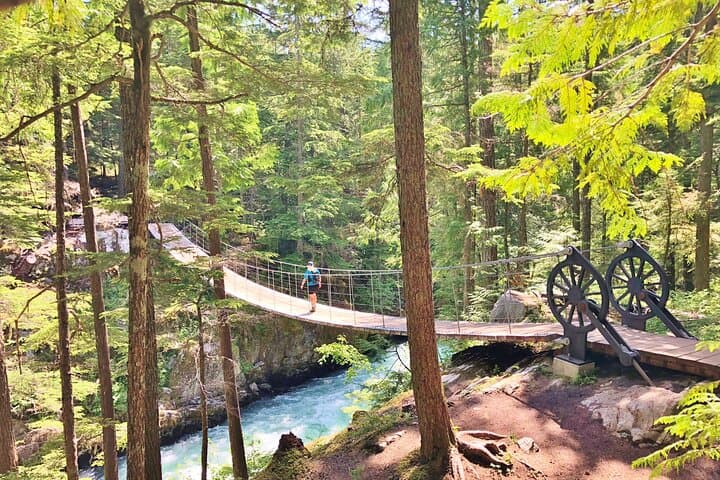
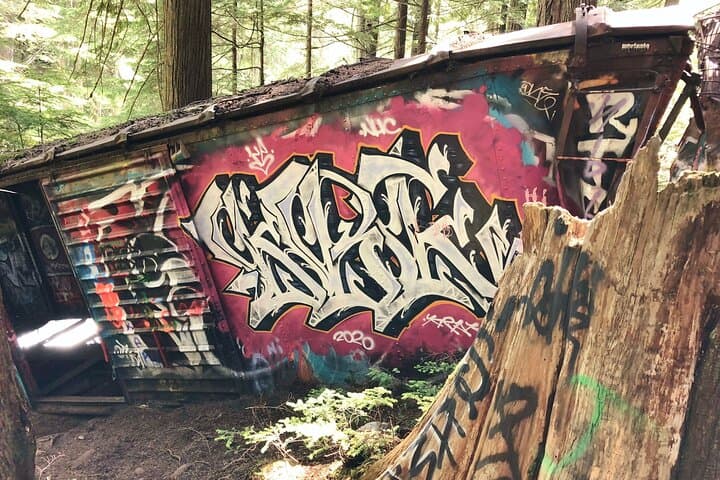
A damp cedar scent hangs in the air as the trail peels away from Skiers Plaza and the urban pulse of Whistler. Within minutes the village noises shrink to a hush and the Cheakamus River begins to speak — urgent, turquoise, daring you to follow its canyoned course. The guided hike moves with purpose: across a hand-built suspension bridge that sways above a glacial ribbon of water, past a cataract tucked behind moss-draped boulders, and finally to the discordant, color-splashed carcass of the Train Wreck, a scatter of graffiti-covered boxcars that feels more like an outdoor gallery than an accident site.
Verified experiences and guided adventures in the surrounding area.
Operated by Whistler Valley Tours · Whistler, British Columbia
A damp cedar scent hangs in the air as the trail peels away from Skiers Plaza and the urban pulse of Whistler. Within minutes the village noises shrink to a hush and the Cheakamus River begins to speak — urgent, turquoise, daring you to follow its canyoned course. The guided hike moves with purpose: across a hand-built suspension bridge that sways above a glacial ribbon of water, past a cataract tucked behind moss-draped boulders, and finally to the discordant, color-splashed carcass of the Train Wreck, a scatter of graffiti-covered boxcars that feels more like an outdoor gallery than an accident site.
The story here is layered. The train wreck originates from a 1950s derailment that left boxcars strewn along the banks; artists and locals later turned the rusty metal into a rotating open-air mural. Geologically, the Cheakamus cuts through bedrock scoured by Pleistocene ice, and the river’s blue-green tones come from finely ground glacial silt. Culturally, this stretch of forest sits within Squamish and Lil'wat traditional territory — guides often acknowledge the land and share local context while respecting Indigenous stories and stewardship.
Expect a compact, varied outing: roughly 3.5–4 km round-trip on forested footpaths with intermittent roots and boardwalks, and about 50–120 m of cumulative elevation change. The suspension bridge offers the best vantage of the river’s turquoise chute; the waterfall requires a short scramble and a good eye to find. In winter the trail tightens into snow-packed ruts; spring can be muddy and the river high, while summer delivers sunlit glades and strong currents.
Practicalities matter. The tour meets at the Whistler Gondola Transit Exchange and runs about two hours—enough time to move deliberately and to learn the history without feeling rushed. Wear sturdy, enclosed footwear and layers; the rainforest canopy keeps temperatures cool and damp even in summer. Bring a small daypack with water, a waterproof shell, and a camera with a polarizing filter to tame glare on the river.
The guided format is ideal for those who want local interpretation and safer river-edge navigation—guides point out safe photo angles, share the backstory of each painted car, and manage group crossings of the suspension bridge. For self-guided visitors, stick to marked paths and avoid climbing on unstable cars; the site is beloved and fragile.
The Whistler Train Wreck loop is part adventure and part education: a short, vivid hike where art, history and glacial forces collide, and where the Cheakamus keeps the final say—swift, beautiful, and always moving.
moderate.
2 hours.
Good walking fitness; able to handle uneven terrain and short uphill sections.
The guided tour runs about 2 hours and covers roughly 3.5–4 km round-trip with moderate footing—suitable for most people with basic hiking fitness.
Meet at the Whistler Gondola Transit Exchange by the Whistler Valley Tours shuttle bus near the Dublin Gate Pub in Skiers Plaza.
Yes—it's a maintained footbridge designed for hikers; guides manage group crossings and advise on spacing for safety.
Yes, the trail is public, but a guided trip offers local context and safer route choices along the riverbanks.
Children are welcome but must be supervised; the river and boxcars pose fall risks, so consider age and hiking experience.
Avoid climbing on unstable cars, adding permanent graffiti, and getting too close to fast-moving water—these actions are unsafe and harm the site.
The wreck dates to a mid-20th-century derailment; over decades locals transformed the cars into an informal outdoor gallery while the river preserved the scene.
The area is on traditional Indigenous territory and managed to balance public access with habitat protection—stay on trails and pack out waste to reduce impact.
Whistler Valley Tours operates guided outdoor trips and adventures with an emphasis on safety, stewardship, and memorable experiences.
A damp cedar scent hangs in the air as the trail peels away from Skiers Plaza and the urban pulse of Whistler. Within minutes the village noises shrink to a hush and the Cheakamus River begins to speak — urgent, turquoise, daring you to follow its canyoned course. The guided hike moves with purpose: across a hand-built suspension bridge that sways above a glacial ribbon of water, past a cataract tucked behind moss-draped boulders, and finally to the discordant, color-splashed carcass of the Train Wreck, a scatter of graffiti-covered boxcars that feels more like an outdoor gallery than an accident site.
A damp cedar scent hangs in the air as the trail peels away from Skiers Plaza and the urban pulse of Whistler. Within minutes the village noises shrink to a hush and the Cheakamus River begins to speak — urgent, turquoise, daring you to follow its canyoned course. The guided hike moves with purpose: across a hand-built suspension bridge that sways above a glacial ribbon of water, past a cataract tucked behind moss-draped boulders, and finally to the discordant, color-splashed carcass of the Train Wreck, a scatter of graffiti-covered boxcars that feels more like an outdoor gallery than an accident site.
The story here is layered. The train wreck originates from a 1950s derailment that left boxcars strewn along the banks; artists and locals later turned the rusty metal into a rotating open-air mural. Geologically, the Cheakamus cuts through bedrock scoured by Pleistocene ice, and the river’s blue-green tones come from finely ground glacial silt. Culturally, this stretch of forest sits within Squamish and Lil'wat traditional territory — guides often acknowledge the land and share local context while respecting Indigenous stories and stewardship.
Expect a compact, varied outing: roughly 3.5–4 km round-trip on forested footpaths with intermittent roots and boardwalks, and about 50–120 m of cumulative elevation change. The suspension bridge offers the best vantage of the river’s turquoise chute; the waterfall requires a short scramble and a good eye to find. In winter the trail tightens into snow-packed ruts; spring can be muddy and the river high, while summer delivers sunlit glades and strong currents.
Practicalities matter. The tour meets at the Whistler Gondola Transit Exchange and runs about two hours—enough time to move deliberately and to learn the history without feeling rushed. Wear sturdy, enclosed footwear and layers; the rainforest canopy keeps temperatures cool and damp even in summer. Bring a small daypack with water, a waterproof shell, and a camera with a polarizing filter to tame glare on the river.
The guided format is ideal for those who want local interpretation and safer river-edge navigation—guides point out safe photo angles, share the backstory of each painted car, and manage group crossings of the suspension bridge. For self-guided visitors, stick to marked paths and avoid climbing on unstable cars; the site is beloved and fragile.
The Whistler Train Wreck loop is part adventure and part education: a short, vivid hike where art, history and glacial forces collide, and where the Cheakamus keeps the final say—swift, beautiful, and always moving.