THE ADVENTURE COLLECTIVE® · Independent discovery and booking for outdoor travel

Spend two hours on a class 1 e‑bike exploring Whistler’s quieter valley trails. This guided ride uses pedal‑assist mountain e‑bikes to make climbs accessible while delivering forested singletrack and sweeping valley views.
Spend two hours on a class 1 e‑bike exploring Whistler’s quieter valley trails. This guided ride uses pedal‑assist mountain e‑bikes to make climbs accessible while delivering forested singletrack and sweeping valley views.
You begin at the bench across from Whistler’s skate park, tires hissing on pavement as the village fades and the valley opens. Tall spruce and poplar press close; the trail breathes cool air that seems to push you forward. Pedal-assist hums under you—class 1 e-bikes that behave like mountain bikes—so climbs that once felt long become steady, manageable efforts.
Verified experiences and guided adventures in the surrounding area.
Operated by Marmot Activity · Whistler, British Columbia
You begin at the bench across from Whistler’s skate park, tires hissing on pavement as the village fades and the valley opens. Tall spruce and poplar press close; the trail breathes cool air that seems to push you forward. Pedal-assist hums under you—class 1 e-bikes that behave like mountain bikes—so climbs that once felt long become steady, manageable efforts.
This ride threads through the Sea to Sky corridor’s glacially carved valleys, where last ice ages left broad U-shaped basins and fine deposits that now support dense coastal temperate rainforest. Whistler’s bike culture grew from ski-area summer trials in the 1990s into a year-round destination; local guides mix trail knowledge with stories about logging roads, First Nations travel routes, and the early mountain-bike pioneers who shaped this network.
Expect a mix of wide valley trails, compacted singletrack, and gravel connectors—terrain designed for accessible, scenic exploration rather than technical shredding. The guide points out viewpoints, hidden clearings, and quieter corners away from busier summer loops. Wildlife is shy but present: marmots and black-tailed deer often appear near dawn and dusk.
Practical tips: arrive 15 minutes early for helmet fit and waiver signing, bring a full water bottle and layered clothing for sudden coastal weather shifts, and choose closed-toe shoes with some tread. Rides run about two hours and suit riders comfortable on a bike but new to e-assist. If you want more challenge, ask guides about steeper advisory lines; for a gentle introduction to Whistler’s backcountry edges, this valley loop is an efficient, rewarding way to feel the place under your wheels.
easy.
2 hours.
Suitable for people comfortable riding a bike for short distances; moderate cardiovascular fitness recommended for sustained climbs.
Class 1 e‑bikes provide pedal‑assist only up to 20 km/h and are treated like mountain bikes here; class 2/3 models are not allowed on Whistler mountain bike trails.
The tour is marketed as suitable for all fitness levels; a basic comfort with cycling and short climbs helps you enjoy the ride without fatigue.
Meet at the bench across from the Whistler skate park—arrive 15 minutes early for helmet sizing and waiver signing.
Full refunds are available if you cancel at least 24 hours before the scheduled departure; within 24 hours there is no refund.
Whistler’s summer mountain-biking boom began in the 1990s when former logging roads and resort service trails were converted into recreational singletrack, creating the network used today.
Trail users are asked to stay on marked routes and pack out waste; local stewardship groups maintain trails and run seasonal trail‑work programs to limit erosion and habitat disturbance.
Marmot Activity operates guided outdoor trips and adventures with an emphasis on safety, stewardship, and memorable experiences.
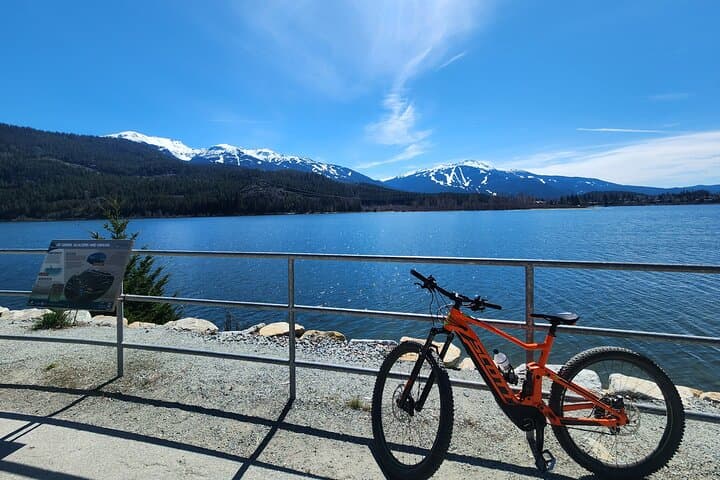
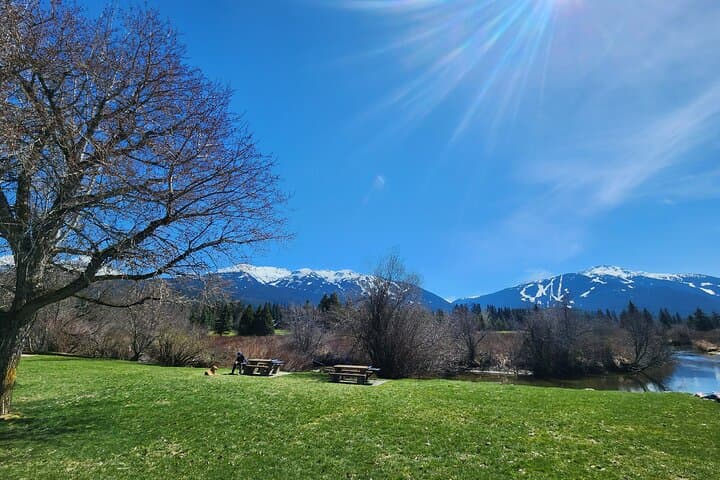


You begin at the bench across from Whistler’s skate park, tires hissing on pavement as the village fades and the valley opens. Tall spruce and poplar press close; the trail breathes cool air that seems to push you forward. Pedal-assist hums under you—class 1 e-bikes that behave like mountain bikes—so climbs that once felt long become steady, manageable efforts.
You begin at the bench across from Whistler’s skate park, tires hissing on pavement as the village fades and the valley opens. Tall spruce and poplar press close; the trail breathes cool air that seems to push you forward. Pedal-assist hums under you—class 1 e-bikes that behave like mountain bikes—so climbs that once felt long become steady, manageable efforts.
This ride threads through the Sea to Sky corridor’s glacially carved valleys, where last ice ages left broad U-shaped basins and fine deposits that now support dense coastal temperate rainforest. Whistler’s bike culture grew from ski-area summer trials in the 1990s into a year-round destination; local guides mix trail knowledge with stories about logging roads, First Nations travel routes, and the early mountain-bike pioneers who shaped this network.
Expect a mix of wide valley trails, compacted singletrack, and gravel connectors—terrain designed for accessible, scenic exploration rather than technical shredding. The guide points out viewpoints, hidden clearings, and quieter corners away from busier summer loops. Wildlife is shy but present: marmots and black-tailed deer often appear near dawn and dusk.
Practical tips: arrive 15 minutes early for helmet fit and waiver signing, bring a full water bottle and layered clothing for sudden coastal weather shifts, and choose closed-toe shoes with some tread. Rides run about two hours and suit riders comfortable on a bike but new to e-assist. If you want more challenge, ask guides about steeper advisory lines; for a gentle introduction to Whistler’s backcountry edges, this valley loop is an efficient, rewarding way to feel the place under your wheels.