THE ADVENTURE COLLECTIVE® · Independent discovery and booking for outdoor travel

Swing axes into blue ice under the supervision of an ACMG guide on Blackcomb or nearby alpine sites. Suitable for first-timers with moderate fitness and for experienced climbers seeking technical lines.
Swing axes into blue ice under the supervision of an ACMG guide on Blackcomb or nearby alpine sites. Suitable for first-timers with moderate fitness and for experienced climbers seeking technical lines.
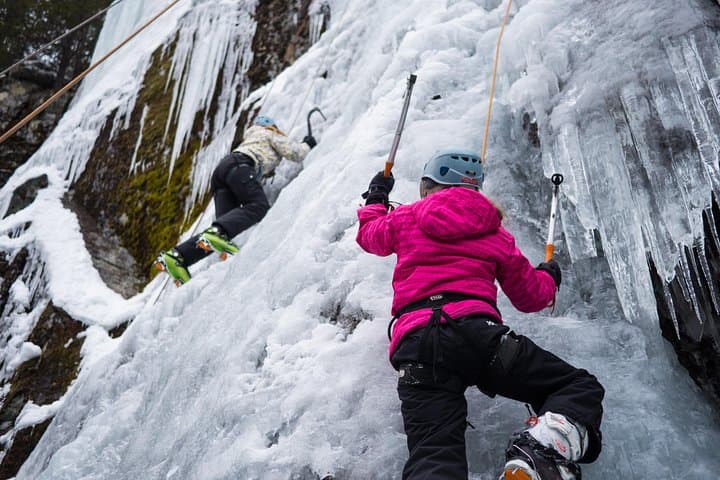
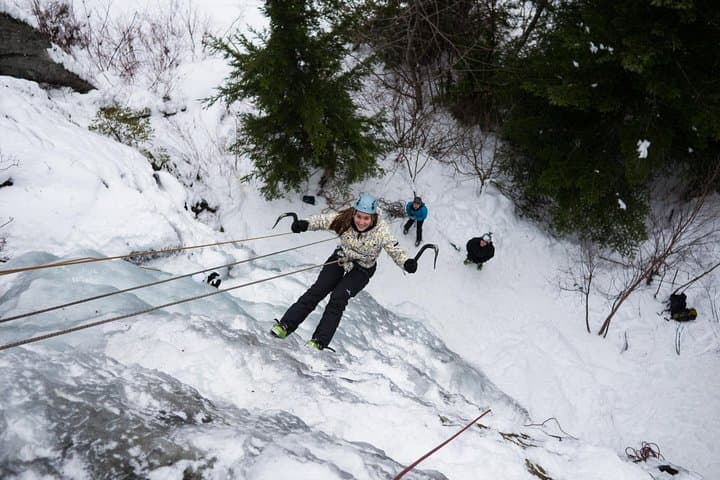
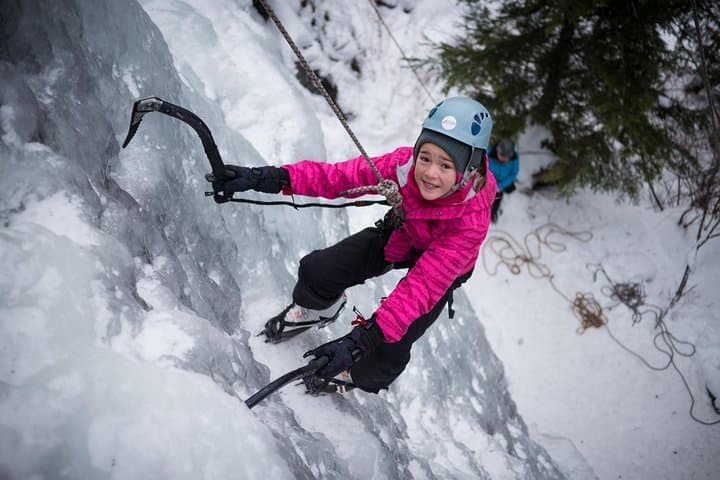
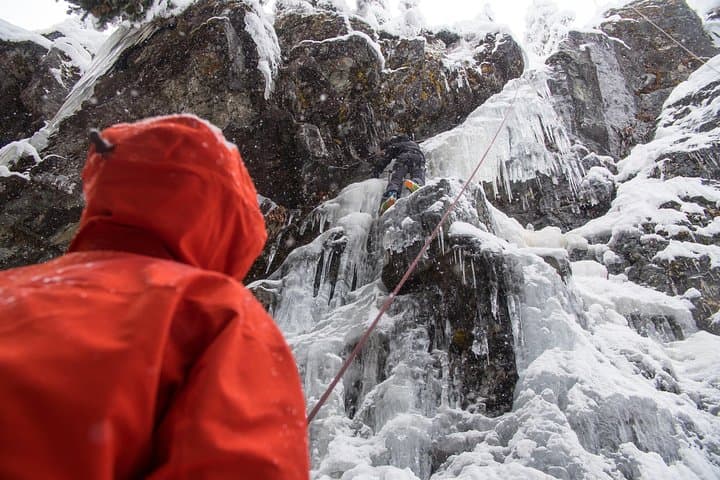
You step out into a hollow of blue and white where the glacier's runoff has frozen into vertical crystal. The ice seems to lean toward you, daring a pick to find purchase; the guide's voice cuts through the cold, calm and exact. On Blackcomb and nearby alpine walls, ropes hum and axes bite while snow crunches under heavy boots.
Verified experiences and guided adventures in the surrounding area.
Operated by Mountain Skills Academy & Adventures · Whistler, British Columbia
You step out into a hollow of blue and white where the glacier's runoff has frozen into vertical crystal. The ice seems to lean toward you, daring a pick to find purchase; the guide's voice cuts through the cold, calm and exact. On Blackcomb and nearby alpine walls, ropes hum and axes bite while snow crunches under heavy boots.
The Coast Range here is young in geological terms—rock uplifted and carved by repeated glaciations that leave the steep couloirs and frozen waterfalls climbers seek each winter. Whistler-Mountain culture began as a logging and railway outpost and evolved into a mountain town shaped by ski mountaineering; today guided ice climbing is part recreation, part technical mountaineering instruction.
Expect clear instruction on footwork, tool placement, and belay systems. Routes are chosen to match ability: beginners start on single-pitch, sheltered ice; stronger climbers take multi-pitch or more exposed flows. Access often requires skinning or riding a lift on resort terrain, so the hill conditions dictate logistics.
Practical notes: dress in breathable layers with an insulated, waterproof shell; bring warm gloves that allow dexterity; carry a small daypack with water, snacks and a compact first-aid kit. Be prepared for variable weather and short daylight in deep winter—start times are early. Guides provide technical gear, helmets, and ropes, but personal comfort items make the day safer and more enjoyable.
This trip rewards measured risk and concentration: the sound of tool on ice, a view across a frost-etched basin, and the steady satisfaction of moving upward in a vertical, living landscape.
challenging.
6–8 hours.
Moderate to high aerobic fitness with good balance and leg strength; able to manage sustained bursts of effort and carry a daypack.
No—beginners are taught basic ice technique on easier, single-pitch routes; however moderate fitness and comfort on steep terrain are required.
Guides supply technical ice-climbing gear (ropes, harness, helmet, axes, crampons); participants should bring personal layers, gloves, and eyewear.
Some climbs are accessed via Blackcomb resort lifts (requires intermediate skiing/riding) while off-resort sites can be reached by short approaches—confirm access when booking.
Minimum age is 15, tours require at least two people and run with a maximum of four clients per guide.
The Sea to Sky corridor grew from logging and rail roots into a modern mountain recreation hub; ice climbing became popular as winter alpine sports expanded in the late 20th century.
Stay on established approaches to protect fragile alpine vegetation; guided operators follow Leave No Trace principles and manage rope stations to minimize rock and ice damage.
Mountain Skills Academy & Adventures operates guided outdoor trips and adventures with an emphasis on safety, stewardship, and memorable experiences.
You step out into a hollow of blue and white where the glacier's runoff has frozen into vertical crystal. The ice seems to lean toward you, daring a pick to find purchase; the guide's voice cuts through the cold, calm and exact. On Blackcomb and nearby alpine walls, ropes hum and axes bite while snow crunches under heavy boots.
You step out into a hollow of blue and white where the glacier's runoff has frozen into vertical crystal. The ice seems to lean toward you, daring a pick to find purchase; the guide's voice cuts through the cold, calm and exact. On Blackcomb and nearby alpine walls, ropes hum and axes bite while snow crunches under heavy boots.
The Coast Range here is young in geological terms—rock uplifted and carved by repeated glaciations that leave the steep couloirs and frozen waterfalls climbers seek each winter. Whistler-Mountain culture began as a logging and railway outpost and evolved into a mountain town shaped by ski mountaineering; today guided ice climbing is part recreation, part technical mountaineering instruction.
Expect clear instruction on footwork, tool placement, and belay systems. Routes are chosen to match ability: beginners start on single-pitch, sheltered ice; stronger climbers take multi-pitch or more exposed flows. Access often requires skinning or riding a lift on resort terrain, so the hill conditions dictate logistics.
Practical notes: dress in breathable layers with an insulated, waterproof shell; bring warm gloves that allow dexterity; carry a small daypack with water, snacks and a compact first-aid kit. Be prepared for variable weather and short daylight in deep winter—start times are early. Guides provide technical gear, helmets, and ropes, but personal comfort items make the day safer and more enjoyable.
This trip rewards measured risk and concentration: the sound of tool on ice, a view across a frost-etched basin, and the steady satisfaction of moving upward in a vertical, living landscape.