THE ADVENTURE COLLECTIVE® · Independent discovery and booking for outdoor travel

A 90-minute guided walk through Whistler’s Valley Trail that blends Indigenous and settler history, public art, and Olympic landmarks. Accessible and family-friendly, this local-led tour ends at Whistler Museum.
A 90-minute guided walk through Whistler’s Valley Trail that blends Indigenous and settler history, public art, and Olympic landmarks. Accessible and family-friendly, this local-led tour ends at Whistler Museum.
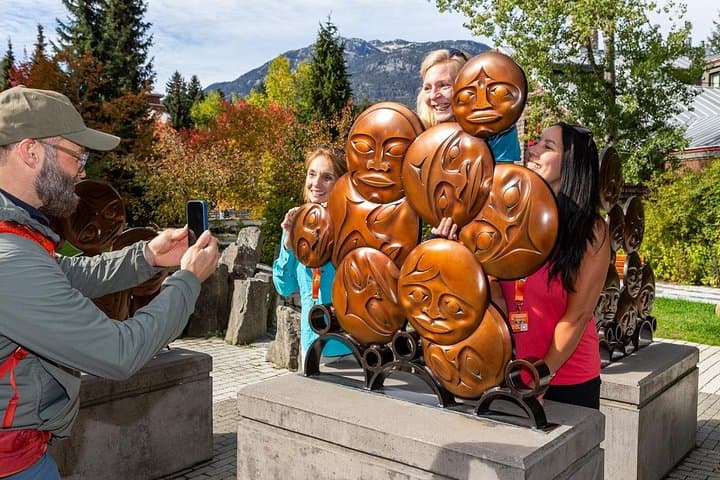
You step off the main plaza into a town that still remembers its logging roads and Olympic roar. The Valley Trail threads through sculpted parkland and public art—metal and wood pieces that catch the alpine light and the occasional spray from Fitzsimmons Creek, which carves the valley and seems to push you gently forward.
Verified experiences and guided adventures in the surrounding area.
Operated by Trail Quest Adventures - Guided Walking Tour · Whistler, British Columbia
You step off the main plaza into a town that still remembers its logging roads and Olympic roar. The Valley Trail threads through sculpted parkland and public art—metal and wood pieces that catch the alpine light and the occasional spray from Fitzsimmons Creek, which carves the valley and seems to push you gently forward.
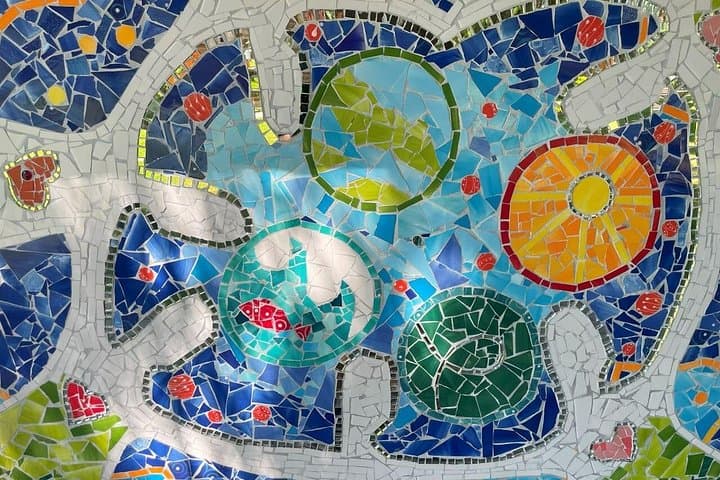
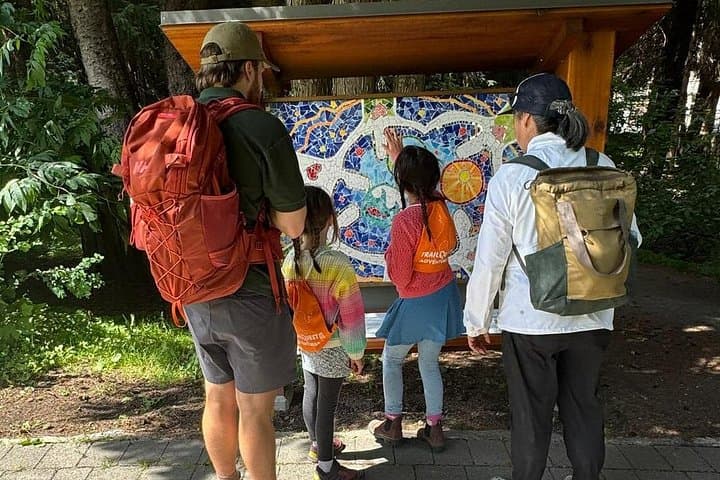
This ninety-minute walk stitches together Whistler’s chapters: Indigenous Squamish and Lil’wat connections to the land, the boom of logging camps in the early 20th century, and the transformation into an international mountain resort culminating in 2010 Olympic sites dotted across town. Geology shows in the rounded ridgelines and glacially sorted river gravels underfoot; culture arrives in murals, carved poles, and interpretive plaques that make the trail part open-air classroom.
Local guides—parents, artists, and long-time residents—translate corners of the village into stories: where pottery studios replaced warehouses, which parks were reclaimed wetlands, and which benches frame the best sunset on the mountain.
Practical note: the route follows largely paved, stroller- and wheelchair-accessible sections of the Valley Trail with minimal elevation gain, making it suitable for mixed-ability groups. Wear comfortable shoes and a light jacket—the coastal mountain weather can shift quickly—and bring a water bottle and camera.
Expect a relaxed pace that balances stops for interpretation with steady walking. The tour finishes at Whistler Museum, where exhibits deepen the themes you’ve just seen, leaving families and curious travelers ready to explore the rest of town armed with local context and a handful of insider recommendations.
easy.
1–1.5 hours.
Light walking ability; suitable for families, older adults, and most fitness levels
Yes—the itinerary uses paved sections of the Valley Trail and is described as stroller- and wheelchair-accessible; notify the operator of specific needs when booking.
Tours start in Whistler Village and finish at Whistler Museum, making it easy to continue exploring downtown afterward.
Absolutely—this experience is designed for families and includes a keepsake drawstring bag for each child.
No; mobile tickets are accepted. Bring the booking confirmation on your phone for quick check-in.
Whistler evolved from a remote logging community and rail stop into an international resort concentrated around the creation of alpine infrastructure and the 2010 Winter Olympics.
Much of the Valley Trail passes through restored riparian areas; visitors are encouraged to stay on paved paths, pack out waste, and respect interpretive signage to protect sensitive habitats.
Trail Quest Adventures - Guided Walking Tour operates guided outdoor trips and adventures with an emphasis on safety, stewardship, and memorable experiences.

You step off the main plaza into a town that still remembers its logging roads and Olympic roar. The Valley Trail threads through sculpted parkland and public art—metal and wood pieces that catch the alpine light and the occasional spray from Fitzsimmons Creek, which carves the valley and seems to push you gently forward.
You step off the main plaza into a town that still remembers its logging roads and Olympic roar. The Valley Trail threads through sculpted parkland and public art—metal and wood pieces that catch the alpine light and the occasional spray from Fitzsimmons Creek, which carves the valley and seems to push you gently forward.
This ninety-minute walk stitches together Whistler’s chapters: Indigenous Squamish and Lil’wat connections to the land, the boom of logging camps in the early 20th century, and the transformation into an international mountain resort culminating in 2010 Olympic sites dotted across town. Geology shows in the rounded ridgelines and glacially sorted river gravels underfoot; culture arrives in murals, carved poles, and interpretive plaques that make the trail part open-air classroom.
Local guides—parents, artists, and long-time residents—translate corners of the village into stories: where pottery studios replaced warehouses, which parks were reclaimed wetlands, and which benches frame the best sunset on the mountain.
Practical note: the route follows largely paved, stroller- and wheelchair-accessible sections of the Valley Trail with minimal elevation gain, making it suitable for mixed-ability groups. Wear comfortable shoes and a light jacket—the coastal mountain weather can shift quickly—and bring a water bottle and camera.
Expect a relaxed pace that balances stops for interpretation with steady walking. The tour finishes at Whistler Museum, where exhibits deepen the themes you’ve just seen, leaving families and curious travelers ready to explore the rest of town armed with local context and a handful of insider recommendations.