THE ADVENTURE COLLECTIVE® · Independent discovery and booking for outdoor travel

Ride the gondola, skin out into high alpine bowls, and spend an 8‑hour guided day skiing or splitboarding fresh lines beyond the resort. Ideal for strong intermediates comfortable in variable snow and committed to avalanche safety.
Ride the gondola, skin out into high alpine bowls, and spend an 8‑hour guided day skiing or splitboarding fresh lines beyond the resort. Ideal for strong intermediates comfortable in variable snow and committed to avalanche safety.
You push through the gondola doors with snow-dampened breath; the valley still holds the low, crisp light of morning. A guide tightens your pack, checks beacons, and you ride above the resort to a ridge that gives way to wider terrain — trees opening to bowls and wind-scoured faces begging for a first turn. The air smells of cold and resin from the subalpine firs as skins click on and the day begins.
Verified experiences and guided adventures in the surrounding area.
Operated by Mountain Skills Academy & Adventures · Whistler, British Columbia
You push through the gondola doors with snow-dampened breath; the valley still holds the low, crisp light of morning. A guide tightens your pack, checks beacons, and you ride above the resort to a ridge that gives way to wider terrain — trees opening to bowls and wind-scoured faces begging for a first turn. The air smells of cold and resin from the subalpine firs as skins click on and the day begins.
This is classic Whistler backcountry: terrain carved from the same granitic, metamorphic ranges as the resort but beyond the controlled slopes. The area’s winter history is tied to early mountaineering and the development of Whistler-Blackcomb in the 1960s, accelerated by major events like the 2010 Olympics that expanded trail access and safety awareness. Geologically, expect steep bowls, glaciated valleys, and heavily timbered approaches — a landscape shaped by repeated glaciation and coastal snow climates.
Guides use the gondola to conserve energy and gain immediate access to routes; then you’ll skin out, read avy conditions, and ski variable powder or spring corn depending on conditions. Typical guided days run around 8 hours with 400–1,000 m of ascent and several kilometers of travel, plus breaks for food and transceiver checks.
Practical guidance: travel with a guide if you lack backcountry experience, carry an avalanche kit, dress in layered, waterproof clothing, and expect changing weather. Tours can be canceled for avalanche safety; confirm minimum group sizes and rental options before you book. This trip rewards strong intermediate riders comfortable in mixed snow and with the fitness to skin uphill for sustained periods.
challenging.
8 hours.
Good aerobic fitness; able to skin uphill for sustained periods and handle long descents in variable snow conditions
Yes — this tour requires strong intermediate skiing or snowboarding skills and comfort in variable snow; guided instruction helps but basic touring experience is recommended.
Policies vary — guides will perform safety briefings, but you should confirm with the operator whether beacon/probe/shovel rentals are included or need to be brought.
Tours are subject to avalanche conditions and may be canceled; operators typically offer an alternative date or a full refund if canceled for safety reasons, but check the booking terms before you reserve.
Many Whistler outfitters rent touring gear and splitboards; confirm availability and compatibility with bindings when booking to ensure proper setup.
Whistler’s skiing heritage grew from 20th‑century mountaineering and expanded with resort development in the 1960s; the 2010 Olympics further spotlighted the region’s alpine terrain.
Guided access reduces risk and environmental impact; follow Leave No Trace, minimize group sizes, and avoid creating new skintracks on sensitive slopes.
Mountain Skills Academy & Adventures operates guided outdoor trips and adventures with an emphasis on safety, stewardship, and memorable experiences.
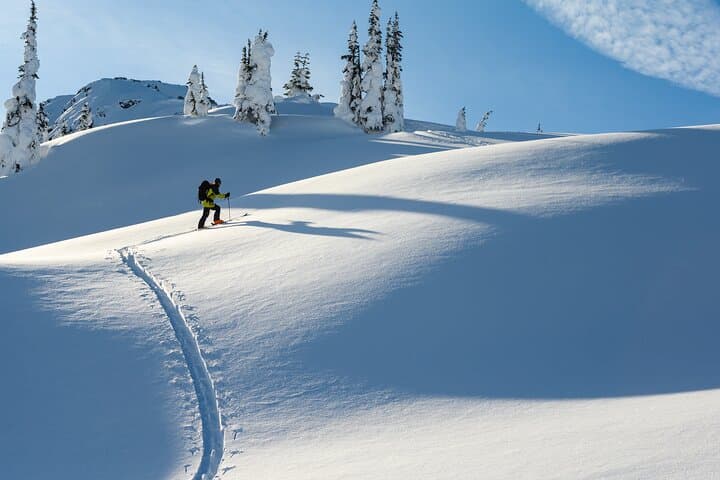
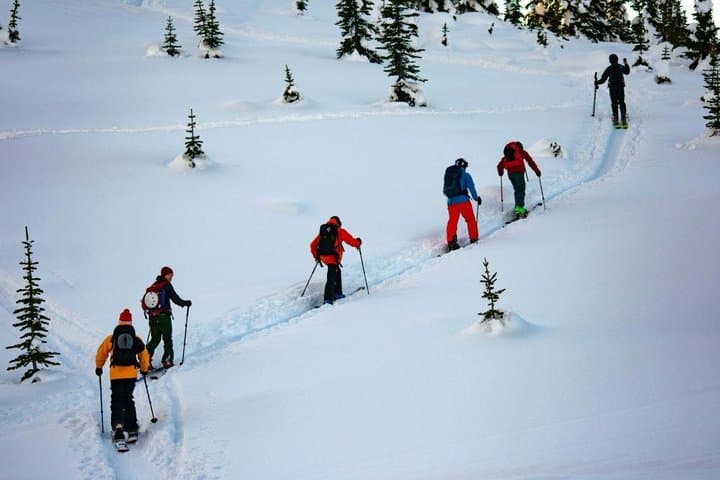
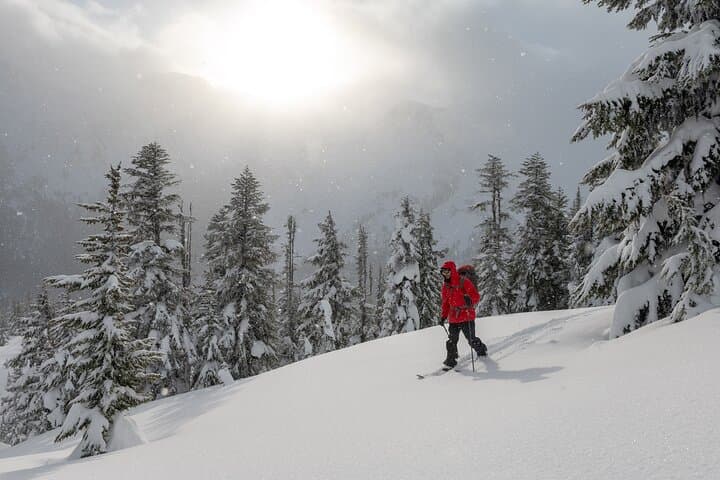
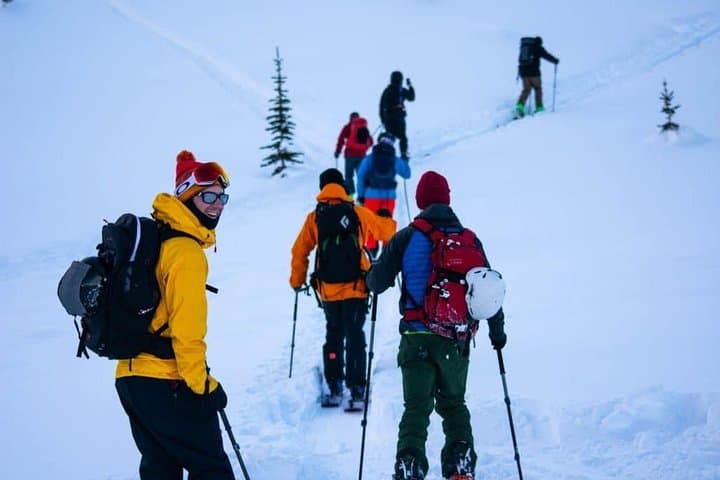
You push through the gondola doors with snow-dampened breath; the valley still holds the low, crisp light of morning. A guide tightens your pack, checks beacons, and you ride above the resort to a ridge that gives way to wider terrain — trees opening to bowls and wind-scoured faces begging for a first turn. The air smells of cold and resin from the subalpine firs as skins click on and the day begins.
You push through the gondola doors with snow-dampened breath; the valley still holds the low, crisp light of morning. A guide tightens your pack, checks beacons, and you ride above the resort to a ridge that gives way to wider terrain — trees opening to bowls and wind-scoured faces begging for a first turn. The air smells of cold and resin from the subalpine firs as skins click on and the day begins.
This is classic Whistler backcountry: terrain carved from the same granitic, metamorphic ranges as the resort but beyond the controlled slopes. The area’s winter history is tied to early mountaineering and the development of Whistler-Blackcomb in the 1960s, accelerated by major events like the 2010 Olympics that expanded trail access and safety awareness. Geologically, expect steep bowls, glaciated valleys, and heavily timbered approaches — a landscape shaped by repeated glaciation and coastal snow climates.
Guides use the gondola to conserve energy and gain immediate access to routes; then you’ll skin out, read avy conditions, and ski variable powder or spring corn depending on conditions. Typical guided days run around 8 hours with 400–1,000 m of ascent and several kilometers of travel, plus breaks for food and transceiver checks.
Practical guidance: travel with a guide if you lack backcountry experience, carry an avalanche kit, dress in layered, waterproof clothing, and expect changing weather. Tours can be canceled for avalanche safety; confirm minimum group sizes and rental options before you book. This trip rewards strong intermediate riders comfortable in mixed snow and with the fitness to skin uphill for sustained periods.