THE ADVENTURE COLLECTIVE® · Independent discovery and booking for outdoor travel

Step into a cozy Bilbao cat cafe where rescued felines and slow coffee meet. This 60‑minute session pairs quiet socializing with animal welfare—perfect for a relaxed city stop between galleries and pintxos.
Step into a cozy Bilbao cat cafe where rescued felines and slow coffee meet. This 60‑minute session pairs quiet socializing with animal welfare—perfect for a relaxed city stop between galleries and pintxos.
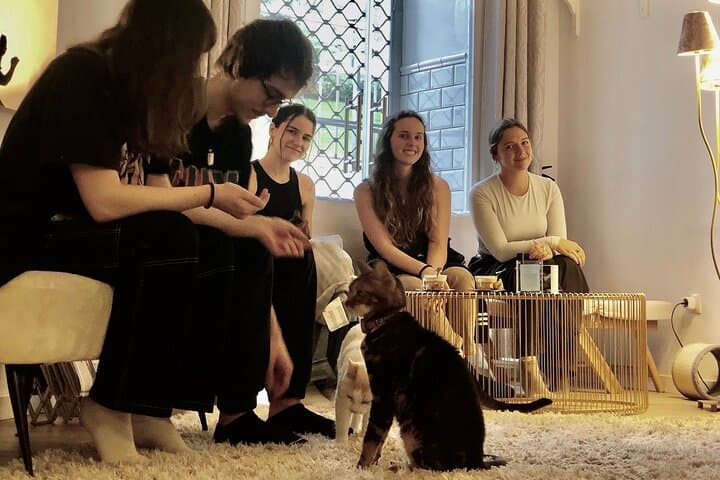
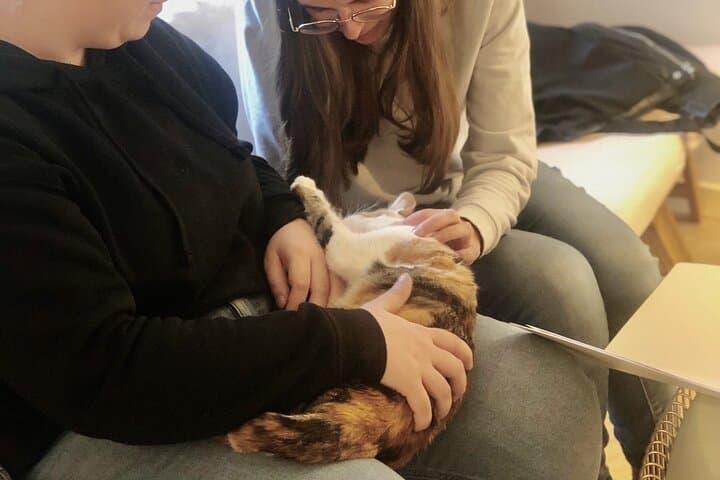
The door opens to warm light and the soft weight of purring—an urban pause where porcelain cups steam and cats decide who gets attention. In a compact room near Bilbao’s Nervión river, rescued felines prowl low shelves, drape themselves across laps, and patrol a sunny windowsill that looks out toward the city’s industrial-turned-cultural heart.
Verified experiences and guided adventures in the surrounding area.
Operated by Marta · Bilbao, Biscay
The door opens to warm light and the soft weight of purring—an urban pause where porcelain cups steam and cats decide who gets attention. In a compact room near Bilbao’s Nervión river, rescued felines prowl low shelves, drape themselves across laps, and patrol a sunny windowsill that looks out toward the city’s industrial-turned-cultural heart.
Bilbao’s streets tell a story of iron and shipyards; the cafe sits in the same city that rebounded around the Guggenheim in the 1990s. The local geology—granite rising from the estuary basin—frames narrow streets and parks where birds wheel above. The cat cafe movement arrived here as part of a wider rescue and adoption culture: shelters partner with small businesses to socialize cats and promote rehoming.
Expect an intimate, low-key atmosphere rather than a noisy tourist stop. Light varnished wood, a book shelf, and board games mean guests stay, sip, and settle. Cats have personalities: an introvert who prefers sunbeams, an extrovert demanding pets. The team enforces hygiene and age policies—children under six are not allowed, and special sessions exist for ages six to ten.
Practical guidance: book the 60‑minute slot in advance, arrive 10–15 minutes early to sign waivers, and follow staff directions for handling animals. If you’re allergic, take medication beforehand; if you want to adopt, ask staff about their rescue partners. Bring a charged phone for photos but avoid flash; wear comfortable, neutral clothing that won’t startle shy cats.
This is a calm, social experience that supports local rescue work—ideal for a rainy afternoon or a deliberate break between Bilbao’s galleries and pintxos bars.
easy.
1 hour.
Suitable for all fitness levels; minimal mobility required for short walking and sitting periods
Yes—many cats are rescue animals; ask staff about adoption procedures and partner shelters for applications and follow-up visits.
Children under 6 are not permitted; children 6–10 can attend during designated sessions—check the cafe’s website for specific times and requirements.
Cats are part of a rescue program and should be vaccinated and health-checked; staff supervise interactions and can answer health-related questions.
No—outside animals are not allowed to protect the cafe’s resident cats and to prevent stress or disease transmission.
Bilbao transformed from an industrial port to a cultural hub after late 20th-century regeneration; small businesses like cat cafes are part of a modern civic shift toward community-focused urban spaces.
The cafe partners with rescue groups to promote adoption and responsible pet ownership; visitors are encouraged to respect animal welfare rules and avoid feeding resident cats outside staff guidance.
Marta operates guided outdoor trips and adventures with an emphasis on safety, stewardship, and memorable experiences.
The door opens to warm light and the soft weight of purring—an urban pause where porcelain cups steam and cats decide who gets attention. In a compact room near Bilbao’s Nervión river, rescued felines prowl low shelves, drape themselves across laps, and patrol a sunny windowsill that looks out toward the city’s industrial-turned-cultural heart.
The door opens to warm light and the soft weight of purring—an urban pause where porcelain cups steam and cats decide who gets attention. In a compact room near Bilbao’s Nervión river, rescued felines prowl low shelves, drape themselves across laps, and patrol a sunny windowsill that looks out toward the city’s industrial-turned-cultural heart.
Bilbao’s streets tell a story of iron and shipyards; the cafe sits in the same city that rebounded around the Guggenheim in the 1990s. The local geology—granite rising from the estuary basin—frames narrow streets and parks where birds wheel above. The cat cafe movement arrived here as part of a wider rescue and adoption culture: shelters partner with small businesses to socialize cats and promote rehoming.
Expect an intimate, low-key atmosphere rather than a noisy tourist stop. Light varnished wood, a book shelf, and board games mean guests stay, sip, and settle. Cats have personalities: an introvert who prefers sunbeams, an extrovert demanding pets. The team enforces hygiene and age policies—children under six are not allowed, and special sessions exist for ages six to ten.
Practical guidance: book the 60‑minute slot in advance, arrive 10–15 minutes early to sign waivers, and follow staff directions for handling animals. If you’re allergic, take medication beforehand; if you want to adopt, ask staff about their rescue partners. Bring a charged phone for photos but avoid flash; wear comfortable, neutral clothing that won’t startle shy cats.
This is a calm, social experience that supports local rescue work—ideal for a rainy afternoon or a deliberate break between Bilbao’s galleries and pintxos bars.