THE ADVENTURE COLLECTIVE® · Independent discovery and booking for outdoor travel

Step off a morning coach from Rotorua and into towering Totara, guided by Māori storytellers through Whirinaki’s ancient podocarp forest. This full-day cultural walk mixes easy trails, native birdwatching, and a forest-to-fork picnic with traditional kawakawa tea.
Step off a morning coach from Rotorua and into towering Totara, guided by Māori storytellers through Whirinaki’s ancient podocarp forest. This full-day cultural walk mixes easy trails, native birdwatching, and a forest-to-fork picnic with traditional kawakawa tea.
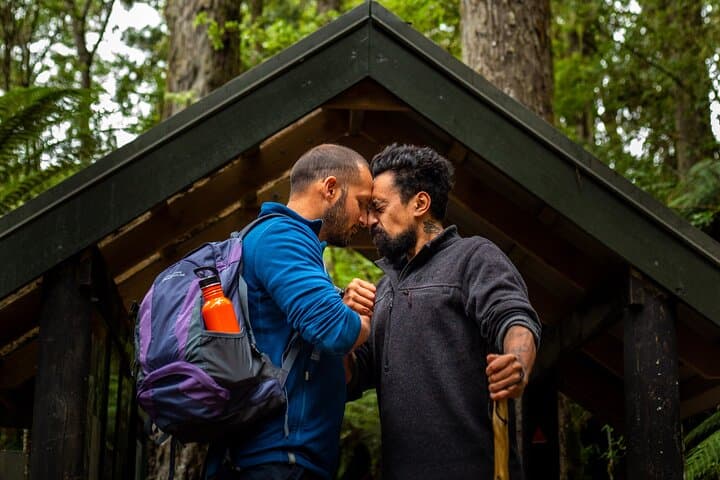
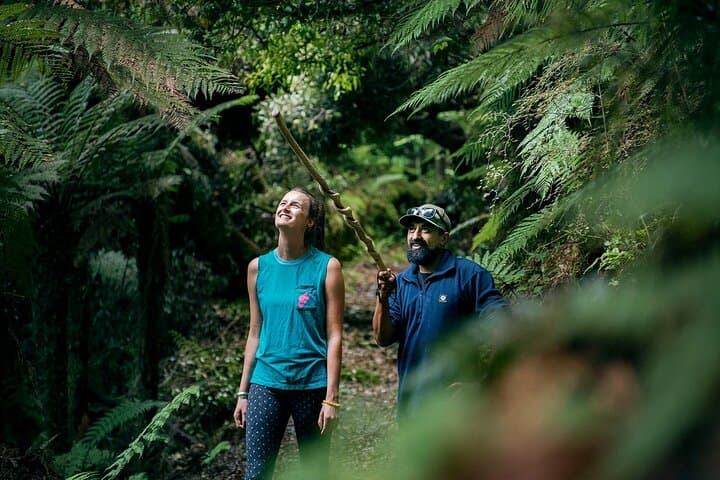
A damp path opens into cathedral-like trunks: Totara rising like columns, moss sliding from bark, and a Māori karakia guiding the group into quiet. The morning bus from Rotorua rolls away and the forest takes over — a pocket of Jurassic podocarp where light filters through deep green and bird calls thread the air.
Verified experiences and guided adventures in the surrounding area.
Operated by Whirinaki Forest Footsteps · Murupara, Bay of Plenty
A damp path opens into cathedral-like trunks: Totara rising like columns, moss sliding from bark, and a Māori karakia guiding the group into quiet. The morning bus from Rotorua rolls away and the forest takes over — a pocket of Jurassic podocarp where light filters through deep green and bird calls thread the air.
Whirinaki is geologically ancient, formed on volcanic soils and long-untouched by large-scale agriculture. The place holds living history for local iwi; guides commonly share whakapapa, stories of Rakau Rongoa (medicinal trees), and conservation efforts led by communities and the Department of Conservation. You’ll hear traditional waiata and feel the deliberate pace of a culturally framed walk as the group pauses for “forest bathing,” a low-key, sensory-led moment often accompanied by kawakawa tea and flute.
Practically, the tour is a full-day excursion from Rotorua that blends easy forest trails with interpretive stops beside thousand-year-old trees. Expect uneven roots, damp boardwalks, and a steady but gentle pace suitable for most fitness levels. A forest-to-fork picnic provides local flavors; hot kawakawa tea closes the visit. Wildlife encounters focus on birds — tūī, kākā and other native species — while sightings can be quiet and fleeting.
Plan for rain and soft ground: waterproof layers and good shoes make the difference. Photography is rewarding but slow; let the guides set cultural boundaries around sensitive sites. This trip is equal parts natural history and living culture — an accessible way to walk into Te Ao Māori while moving through one of Aotearoa’s most atmospheric forests.
easy.
7 hours.
Light cardio and the ability to walk 4–6 km on uneven surfaces; suitable for most fitness levels
The tour runs roughly seven hours, departing Rotorua in the morning (around 8:30am) and returning mid to late afternoon.
Yes — the route is gentle and designed for mixed fitness levels; strollers may be possible on some boardwalks but check with the operator.
You’re most likely to hear or see native birds such as tūī and kākā; kiwi are nocturnal and not commonly seen on this daytime tour.
The operator may cancel for bad weather; cancel at least 24 hours before departure for a full refund according to standard policy.
Whirinaki sits on land with deep Māori connections; local iwi have maintained knowledge of the forest and its medicinal plants for generations.
Community-led pest control and DOC protection help regenerate bird populations; stick to paths and follow guide directions to minimize impact.
Whirinaki Forest Footsteps operates guided outdoor trips and adventures with an emphasis on safety, stewardship, and memorable experiences.


A damp path opens into cathedral-like trunks: Totara rising like columns, moss sliding from bark, and a Māori karakia guiding the group into quiet. The morning bus from Rotorua rolls away and the forest takes over — a pocket of Jurassic podocarp where light filters through deep green and bird calls thread the air.
A damp path opens into cathedral-like trunks: Totara rising like columns, moss sliding from bark, and a Māori karakia guiding the group into quiet. The morning bus from Rotorua rolls away and the forest takes over — a pocket of Jurassic podocarp where light filters through deep green and bird calls thread the air.
Whirinaki is geologically ancient, formed on volcanic soils and long-untouched by large-scale agriculture. The place holds living history for local iwi; guides commonly share whakapapa, stories of Rakau Rongoa (medicinal trees), and conservation efforts led by communities and the Department of Conservation. You’ll hear traditional waiata and feel the deliberate pace of a culturally framed walk as the group pauses for “forest bathing,” a low-key, sensory-led moment often accompanied by kawakawa tea and flute.
Practically, the tour is a full-day excursion from Rotorua that blends easy forest trails with interpretive stops beside thousand-year-old trees. Expect uneven roots, damp boardwalks, and a steady but gentle pace suitable for most fitness levels. A forest-to-fork picnic provides local flavors; hot kawakawa tea closes the visit. Wildlife encounters focus on birds — tūī, kākā and other native species — while sightings can be quiet and fleeting.
Plan for rain and soft ground: waterproof layers and good shoes make the difference. Photography is rewarding but slow; let the guides set cultural boundaries around sensitive sites. This trip is equal parts natural history and living culture — an accessible way to walk into Te Ao Māori while moving through one of Aotearoa’s most atmospheric forests.