THE ADVENTURE COLLECTIVE® · Independent discovery and booking for outdoor travel

Spend a full day wandering wide paddocks, watching elephants at their care centre and penguins at the edge of the Chiltern Downs. This practical guide covers what to see, when to go, and how to make the most of Whipsnade’s outdoor enclosures and family facilities.
Spend a full day wandering wide paddocks, watching elephants at their care centre and penguins at the edge of the Chiltern Downs. This practical guide covers what to see, when to go, and how to make the most of Whipsnade’s outdoor enclosures and family facilities.
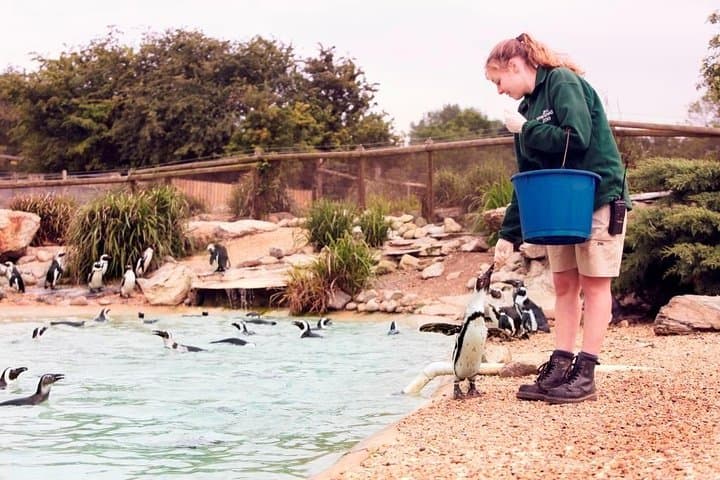
You step from the lane onto wide grassland and the air opens: distant trumpets from the elephant paddock, penguins bobbing at the splash edge, and a line of giraffes moving like slow sentries across a sunlit slope. From viewpoints near the penguin pool you can see the Chiltern Downs push the horizon into a green ridge; animals and landscape share roomy enclosures that make Whipsnade feel more like a walking reserve than a conventional city zoo.
Verified experiences and guided adventures in the surrounding area.
Operated by London Zoo · Whipsnade, Bedfordshire
You step from the lane onto wide grassland and the air opens: distant trumpets from the elephant paddock, penguins bobbing at the splash edge, and a line of giraffes moving like slow sentries across a sunlit slope. From viewpoints near the penguin pool you can see the Chiltern Downs push the horizon into a green ridge; animals and landscape share roomy enclosures that make Whipsnade feel more like a walking reserve than a conventional city zoo.
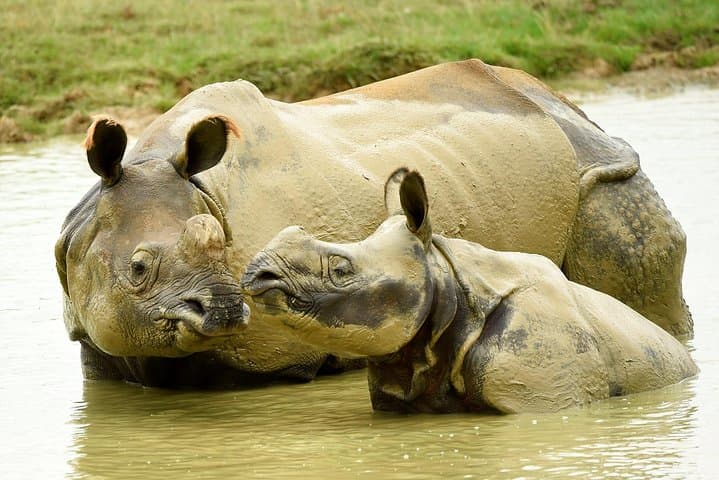
Founded by the Zoological Society of London in 1931 as a complement to London Zoo, Whipsnade occupies chalk downland shaped by ancient ice-age waters and agricultural history. The zoo’s design emphasizes large outdoor habitats—grassland for rhinos and antelope, wooded glades for small mammals, and a custom Centre for Elephant Care that gives visitors a clear line of sight to animal routines and husbandry.
Expect family-focused facilities alongside conservation messaging: an aquarium and butterfly house under roof, a themed 7,800 m² play area for kids, and regular keeper talks. Accessibility is good—paths are stroller- and wheelchair-friendly—and many exhibits are outdoors, so weather dictates the experience.
Practical tips: allow a full day (3–5 hours) to see main enclosures and shows, arrive early to beat midday crowds, and check the website for seasonal closings (annual maintenance in late January and Christmas Day closure). Bring layered clothing and comfortable walking shoes, and respect viewing distances—this is a place to observe, not interact. With clear paths, panoramic views, and concentrated animal habitats, Whipsnade delivers a predictable, family-ready wildlife day out with genuine moments of wild behavior.
easy.
3–5 hours.
Easy walking across mostly flat or gently sloping paths; suitable for families and casual walkers
Mobile tickets are accepted; follow the booking instructions and present the ticket on arrival—check the vendor for any date restrictions.
Opening times vary by season; last entry is typically one hour before closing—confirm on the zoo website before visiting.
Yes—many paths and viewing areas are wheelchair- and stroller-friendly; some steep routes exist so consult the site map for accessible routes.
No—children under 16 must be accompanied by an adult, per zoo policy.
Opened in 1931 by the Zoological Society of London, Whipsnade was created to give large animals room to roam outside of central London.
ZSL Whipsnade participates in breeding and conservation programs; visitors are asked to follow no-feed rules and use designated paths to minimize disturbance.
London Zoo operates guided outdoor trips and adventures with an emphasis on safety, stewardship, and memorable experiences.

You step from the lane onto wide grassland and the air opens: distant trumpets from the elephant paddock, penguins bobbing at the splash edge, and a line of giraffes moving like slow sentries across a sunlit slope. From viewpoints near the penguin pool you can see the Chiltern Downs push the horizon into a green ridge; animals and landscape share roomy enclosures that make Whipsnade feel more like a walking reserve than a conventional city zoo.
You step from the lane onto wide grassland and the air opens: distant trumpets from the elephant paddock, penguins bobbing at the splash edge, and a line of giraffes moving like slow sentries across a sunlit slope. From viewpoints near the penguin pool you can see the Chiltern Downs push the horizon into a green ridge; animals and landscape share roomy enclosures that make Whipsnade feel more like a walking reserve than a conventional city zoo.
Founded by the Zoological Society of London in 1931 as a complement to London Zoo, Whipsnade occupies chalk downland shaped by ancient ice-age waters and agricultural history. The zoo’s design emphasizes large outdoor habitats—grassland for rhinos and antelope, wooded glades for small mammals, and a custom Centre for Elephant Care that gives visitors a clear line of sight to animal routines and husbandry.
Expect family-focused facilities alongside conservation messaging: an aquarium and butterfly house under roof, a themed 7,800 m² play area for kids, and regular keeper talks. Accessibility is good—paths are stroller- and wheelchair-friendly—and many exhibits are outdoors, so weather dictates the experience.
Practical tips: allow a full day (3–5 hours) to see main enclosures and shows, arrive early to beat midday crowds, and check the website for seasonal closings (annual maintenance in late January and Christmas Day closure). Bring layered clothing and comfortable walking shoes, and respect viewing distances—this is a place to observe, not interact. With clear paths, panoramic views, and concentrated animal habitats, Whipsnade delivers a predictable, family-ready wildlife day out with genuine moments of wild behavior.