THE ADVENTURE COLLECTIVE® · Independent discovery and booking for outdoor travel

Step into Whimsical Wonderland—a 17-installation, curriculum-linked indoor experience in Manila that turns math, music, and science lessons into hands-on activities. Ideal for families and educators, the exhibit blends playful invention with clear learning outcomes.
Step into Whimsical Wonderland—a 17-installation, curriculum-linked indoor experience in Manila that turns math, music, and science lessons into hands-on activities. Ideal for families and educators, the exhibit blends playful invention with clear learning outcomes.
You step through a door and the lighting shifts—colors pulse, sounds tighten into rhythm, and a corridor of themed rooms pulls you into a sequence of ideas made tangible. Whimsical Wonderland stages 17 curated installations that turn curriculum topics—English, math, music, art, science, and physical education—into hands-on prompts. The design nudges curiosity; a reading nook asks you to listen, a motion-based station asks you to move, and a puzzle wall asks you to think aloud.
Verified experiences and guided adventures in the surrounding area.
Operated by CTPH TOUR · Manila, Metro Manila
You step through a door and the lighting shifts—colors pulse, sounds tighten into rhythm, and a corridor of themed rooms pulls you into a sequence of ideas made tangible. Whimsical Wonderland stages 17 curated installations that turn curriculum topics—English, math, music, art, science, and physical education—into hands-on prompts. The design nudges curiosity; a reading nook asks you to listen, a motion-based station asks you to move, and a puzzle wall asks you to think aloud.
The project sits within a broader movement in the Philippines to link arts and informal learning to K–12 outcomes. Exhibits often reference Filipino cultural motifs and community narratives, using local materials and story forms to make classroom concepts feel immediate. Although it’s an indoor attraction, the experience is arranged like a short urban trail—rooms flow from sensory exploration to reflective tasks aimed at responsibility and accountability.
Expect light walking across flat floors, interactive props that invite touch, and installations designed for mixed ages. Visits typically last four to five hours if you take time with each station; families will want to budget extra time for younger children’s exploration. Staff usually guide flow and provide brief prompts tied to curriculum goals.
Practicals: buy tickets in advance for busy weekends, wear comfortable shoes for continuous standing, bring a refillable bottle, and plan midday slots to avoid school-group surges. Cameras are welcome but follow posted rules for hands-on pieces. For educators, the site can double as a practical demonstration of experiential learning methods.
easy.
4–5 hours.
Suitable for all fitness levels; requires light walking and standing for extended periods
Plan 4–5 hours to experience all 17 installations at a measured pace; families with young children may spend longer.
Yes—many stations are family-friendly, but supervision is recommended as some displays require careful handling.
Exhibits are designed to reinforce K–12 subject areas and often include prompts tied to Department of Education learning goals.
Most indoor circulation is on level floors with staff assistance available; check with the venue for specific accessibility services before visiting.
The exhibit reflects recent Philippine efforts to integrate arts into basic education, using cultural references and interactive design to support learning outcomes.
The venue emphasizes responsible visitor behavior and often uses locally sourced materials; visitors are encouraged to use refillable bottles and avoid single-use items.
CTPH TOUR operates guided outdoor trips and adventures with an emphasis on safety, stewardship, and memorable experiences.


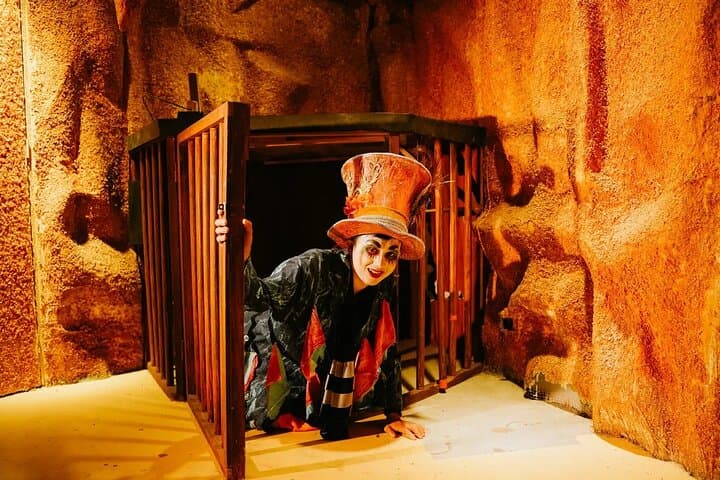
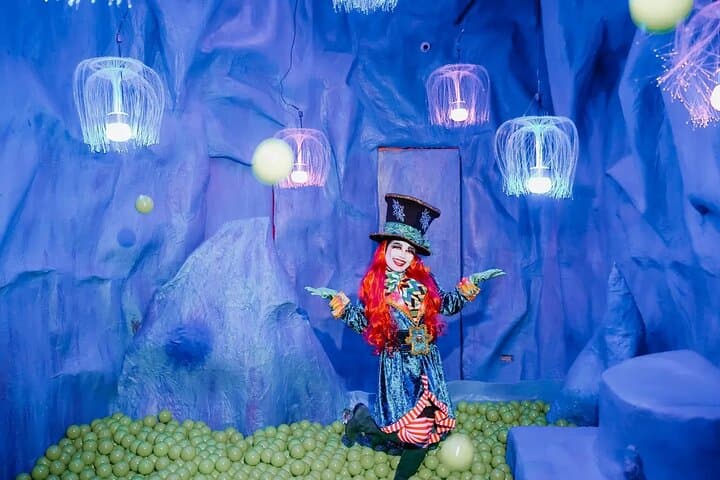
You step through a door and the lighting shifts—colors pulse, sounds tighten into rhythm, and a corridor of themed rooms pulls you into a sequence of ideas made tangible. Whimsical Wonderland stages 17 curated installations that turn curriculum topics—English, math, music, art, science, and physical education—into hands-on prompts. The design nudges curiosity; a reading nook asks you to listen, a motion-based station asks you to move, and a puzzle wall asks you to think aloud.
You step through a door and the lighting shifts—colors pulse, sounds tighten into rhythm, and a corridor of themed rooms pulls you into a sequence of ideas made tangible. Whimsical Wonderland stages 17 curated installations that turn curriculum topics—English, math, music, art, science, and physical education—into hands-on prompts. The design nudges curiosity; a reading nook asks you to listen, a motion-based station asks you to move, and a puzzle wall asks you to think aloud.
The project sits within a broader movement in the Philippines to link arts and informal learning to K–12 outcomes. Exhibits often reference Filipino cultural motifs and community narratives, using local materials and story forms to make classroom concepts feel immediate. Although it’s an indoor attraction, the experience is arranged like a short urban trail—rooms flow from sensory exploration to reflective tasks aimed at responsibility and accountability.
Expect light walking across flat floors, interactive props that invite touch, and installations designed for mixed ages. Visits typically last four to five hours if you take time with each station; families will want to budget extra time for younger children’s exploration. Staff usually guide flow and provide brief prompts tied to curriculum goals.
Practicals: buy tickets in advance for busy weekends, wear comfortable shoes for continuous standing, bring a refillable bottle, and plan midday slots to avoid school-group surges. Cameras are welcome but follow posted rules for hands-on pieces. For educators, the site can double as a practical demonstration of experiential learning methods.