THE ADVENTURE COLLECTIVE® · Independent discovery and booking for outdoor travel

Walk Brooklyn’s hip hop streets with Johnny "Scoob Lover" Famous and hear first-hand stories about Biggie, club nights and street culture. This two-hour urban tour blends music history with neighborhood context and practical tips for navigating the route.
Walk Brooklyn’s hip hop streets with Johnny "Scoob Lover" Famous and hear first-hand stories about Biggie, club nights and street culture. This two-hour urban tour blends music history with neighborhood context and practical tips for navigating the route.
You step out of the subway into the rumble of Atlantic Avenue — a pulse of tires, conversations and the distant echo of a beat. Scoob Lover, a dancer who shared stages with Big Daddy Kane and recorded alongside Biggie and Tupac, waits with the kind of easy authority only decades in the culture can buy. The tour moves at street pace: passing brownstone stoops, murals sprayed over stoops and record shops that still smell faintly of vinyl.
Verified experiences and guided adventures in the surrounding area.
Operated by Hush Tours, Inc. · Brooklyn, NY
You step out of the subway into the rumble of Atlantic Avenue — a pulse of tires, conversations and the distant echo of a beat. Scoob Lover, a dancer who shared stages with Big Daddy Kane and recorded alongside Biggie and Tupac, waits with the kind of easy authority only decades in the culture can buy. The tour moves at street pace: passing brownstone stoops, murals sprayed over stoops and record shops that still smell faintly of vinyl.
Brooklyn’s hip hop story is concrete and oral history. In the 1970s and ’80s the borough’s neighborhoods — Bed-Stuy, Fort Greene, and Crown Heights — were laboratories for deejays, MCs and breakers. The coastline and the glacially scoured bedrock shaped the streets where crews gathered, and subway lines became arteries that carried sound and style across boroughs. Scoob threads personal anecdotes with the broader arc: club nights, radio shows, and the territorial roots that birthed artists like Biggie.
Practical guidance is straightforward. The route covers roughly 1.5–2 miles over mostly flat urban sidewalks with frequent stops; expect two hours of walking and story-driven detours. Wear supportive shoes and bring a charged phone for photos and transit apps. The guide moves through active neighborhoods — stay aware of foot traffic and respect private property. Public transit is the easiest arrival option; meeting point is adjacent to Barclays Center/Atlantic Avenue.
By the end you’ll have walked less like a tourist and more like a listener, with street-level context for songs and a stronger sense of how place shaped the music. Bring curiosity, keep an open ear, and tip generously for decades of lived experience.
easy.
2 hours.
Suitable for most fitness levels; participants should be able to walk 1.5–2 miles on city sidewalks without difficulty
Some portions use curb cuts and level sidewalks, but urban conditions vary; contact the operator ahead of time to confirm accessibility for specific needs.
The guide usually departs at the scheduled time to keep the group together; arrive 10–15 minutes early. Late arrivals may not be able to join once the route has begun.
Yes — photography and personal recordings are generally allowed, but be mindful of private property and ask before photographing individuals or indoor venues.
Yes — guides are independent professionals; a gratuity at the end of the tour is customary and appreciated for decades of cultural knowledge.
Brooklyn was a critical incubator for East Coast hip hop; neighborhoods like Bed-Stuy and Fort Greene produced artists and crews that shaped rap’s sound and culture through the 1980s and 1990s.
This is an urban cultural tour — minimize impact by using public transit, supporting local businesses, and following neighborhood norms to keep streets welcoming for residents.
Hush Tours, Inc. operates guided outdoor trips and adventures with an emphasis on safety, stewardship, and memorable experiences.

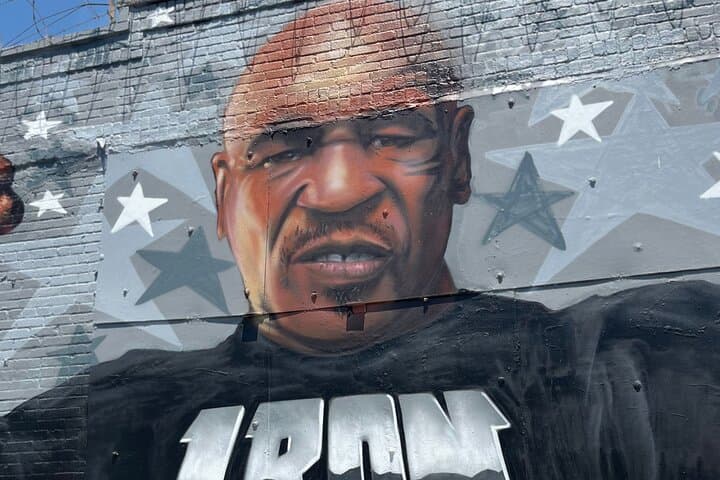
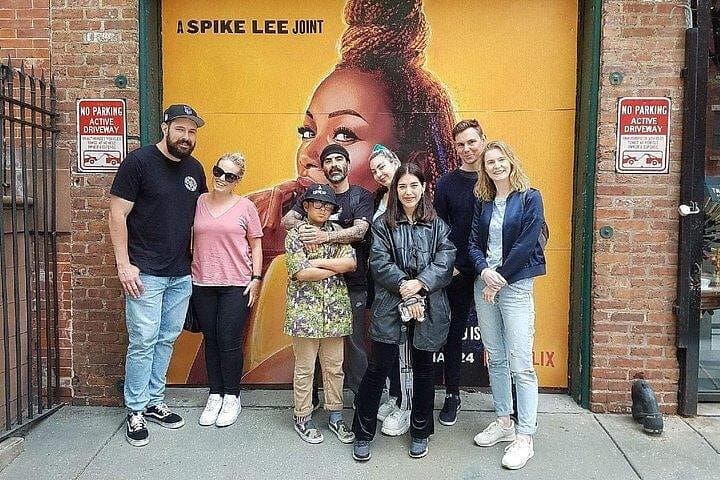
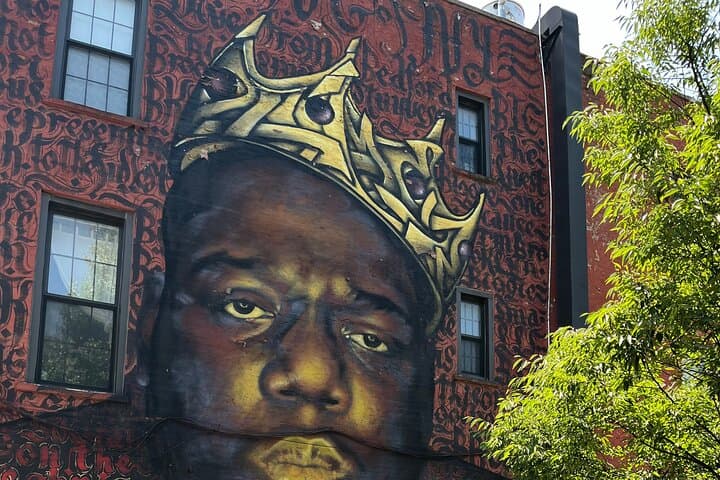
You step out of the subway into the rumble of Atlantic Avenue — a pulse of tires, conversations and the distant echo of a beat. Scoob Lover, a dancer who shared stages with Big Daddy Kane and recorded alongside Biggie and Tupac, waits with the kind of easy authority only decades in the culture can buy. The tour moves at street pace: passing brownstone stoops, murals sprayed over stoops and record shops that still smell faintly of vinyl.
You step out of the subway into the rumble of Atlantic Avenue — a pulse of tires, conversations and the distant echo of a beat. Scoob Lover, a dancer who shared stages with Big Daddy Kane and recorded alongside Biggie and Tupac, waits with the kind of easy authority only decades in the culture can buy. The tour moves at street pace: passing brownstone stoops, murals sprayed over stoops and record shops that still smell faintly of vinyl.
Brooklyn’s hip hop story is concrete and oral history. In the 1970s and ’80s the borough’s neighborhoods — Bed-Stuy, Fort Greene, and Crown Heights — were laboratories for deejays, MCs and breakers. The coastline and the glacially scoured bedrock shaped the streets where crews gathered, and subway lines became arteries that carried sound and style across boroughs. Scoob threads personal anecdotes with the broader arc: club nights, radio shows, and the territorial roots that birthed artists like Biggie.
Practical guidance is straightforward. The route covers roughly 1.5–2 miles over mostly flat urban sidewalks with frequent stops; expect two hours of walking and story-driven detours. Wear supportive shoes and bring a charged phone for photos and transit apps. The guide moves through active neighborhoods — stay aware of foot traffic and respect private property. Public transit is the easiest arrival option; meeting point is adjacent to Barclays Center/Atlantic Avenue.
By the end you’ll have walked less like a tourist and more like a listener, with street-level context for songs and a stronger sense of how place shaped the music. Bring curiosity, keep an open ear, and tip generously for decades of lived experience.