THE ADVENTURE COLLECTIVE® · Independent discovery and booking for outdoor travel

Step into June 1863 and imagine Philadelphia on the brink. This two-hour walking tour examines logistics, politics, and local power that kept General Lee from marching into the city—on streets you can still walk today.
Step into June 1863 and imagine Philadelphia on the brink. This two-hour walking tour examines logistics, politics, and local power that kept General Lee from marching into the city—on streets you can still walk today.
You stand beneath the bronze of General McClellan with City Hall looming above—an ordinary Philadelphia morning that an expert guide quickly remakes into the fever of June 1863.
Verified experiences and guided adventures in the surrounding area.
Operated by Philly's Hidden History Vault · Philadelphia, Pennsylvania
You stand beneath the bronze of General McClellan with City Hall looming above—an ordinary Philadelphia morning that an expert guide quickly remakes into the fever of June 1863.
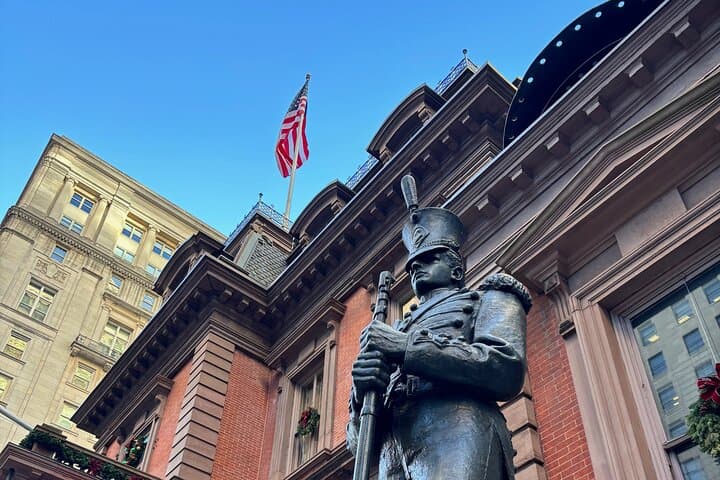
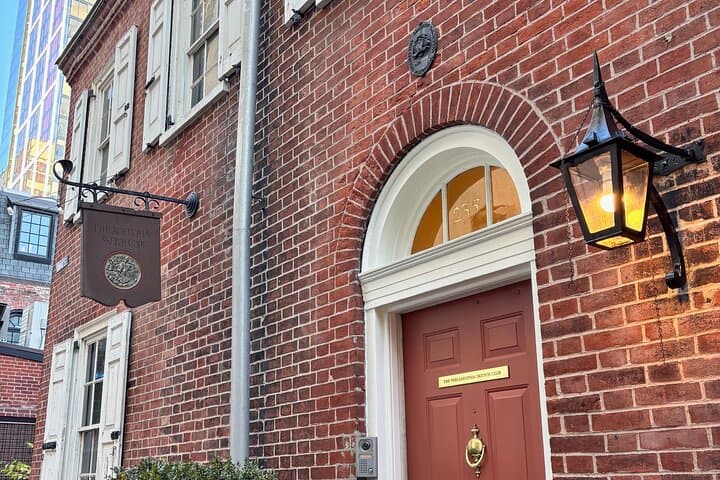
This two-hour walking investigation treats history like an emergency: guides trace troop rails, municipal supply chains, and the decisions that kept Confederate armies from turning north into the nation’s second-largest city. The route moves from the mechanics of war—rail yards, hospital gardens, Union League finance rooms—to the human networks that sustained resistance: free Black neighborhoods, volunteer fairs, and political halls where morale was forged.
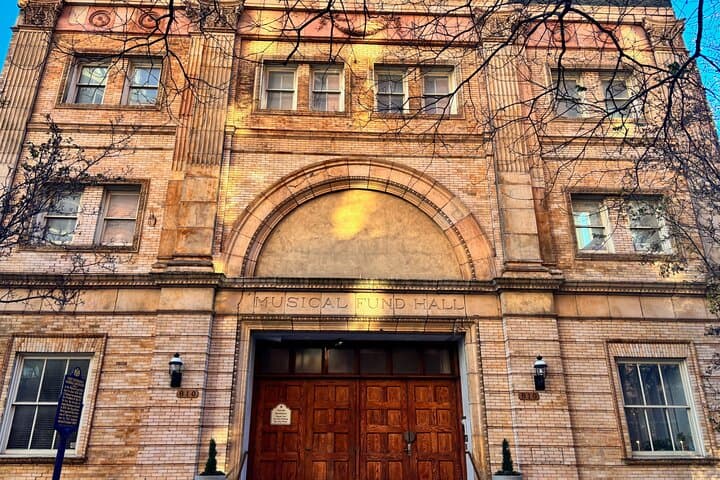
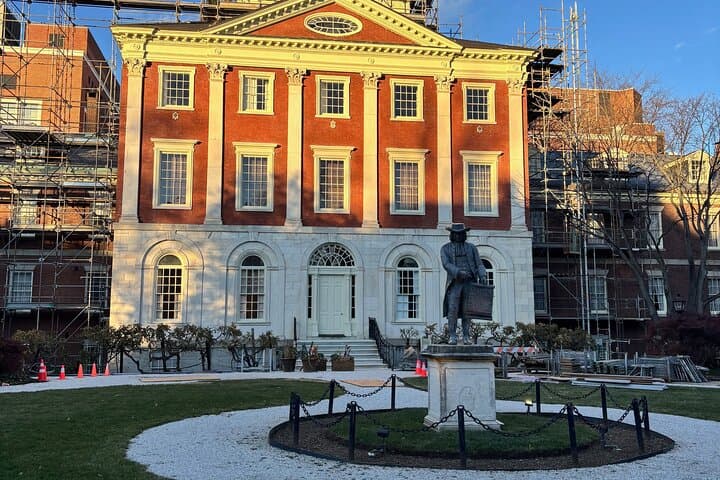
Geology and geography get their turn: Philadelphia’s ridge lines, the proximity of the Schuylkill and Delaware rivers, and the city’s rail hub made it strategically vital and difficult to occupy. Culture and civic power surface in the buildings along the way—Musical Fund Hall, the Physic Garden—offering a view of how medicine, money, and mass politics intersected with battlefield outcomes.
Practical notes are simple and concrete: meet at the McClellan statue on the north side of City Hall and allow 120 minutes; the tour finishes at the back of Independence Hall. The walk is on mostly flat, paved urban streets with some historic stones—comfortable footwear, a refillable water bottle, and a transit card make the experience smoother. Accessibility is good for most visitors; strollers and wheelchairs can be accommodated. Expect a steady pace with frequent historical stops and analysis—this is a tour for curious minds who like context as much as sights.
easy.
2 hours.
Light walking ability; suitable for most adults and older children who can stand and walk for 90–120 minutes
The tour lasts approximately 120 minutes and meets at the General McClellan statue on the north side of Philadelphia City Hall.
Yes—most surfaces and sites along the route are wheelchair and stroller accessible; notify the operator of any needs when booking.
No—this tour focuses on exterior sites and street-level interpretation; any building entry is explicitly noted and may require separate tickets.
The operator may cancel for severe weather with a full refund if notified at least 24 hours in advance; dress in layers for light rain or wind.
Philadelphia’s rail and port infrastructure made it a strategic Union supply center in 1863; civic institutions and free Black communities played vital roles in financing and staffing the war effort.
This guided urban walk minimizes impact by staying on paved public routes; respect historic sites and avoid touching fragile stonework or plaques.
Philly's Hidden History Vault operates guided outdoor trips and adventures with an emphasis on safety, stewardship, and memorable experiences.
You stand beneath the bronze of General McClellan with City Hall looming above—an ordinary Philadelphia morning that an expert guide quickly remakes into the fever of June 1863.
You stand beneath the bronze of General McClellan with City Hall looming above—an ordinary Philadelphia morning that an expert guide quickly remakes into the fever of June 1863.
This two-hour walking investigation treats history like an emergency: guides trace troop rails, municipal supply chains, and the decisions that kept Confederate armies from turning north into the nation’s second-largest city. The route moves from the mechanics of war—rail yards, hospital gardens, Union League finance rooms—to the human networks that sustained resistance: free Black neighborhoods, volunteer fairs, and political halls where morale was forged.
Geology and geography get their turn: Philadelphia’s ridge lines, the proximity of the Schuylkill and Delaware rivers, and the city’s rail hub made it strategically vital and difficult to occupy. Culture and civic power surface in the buildings along the way—Musical Fund Hall, the Physic Garden—offering a view of how medicine, money, and mass politics intersected with battlefield outcomes.
Practical notes are simple and concrete: meet at the McClellan statue on the north side of City Hall and allow 120 minutes; the tour finishes at the back of Independence Hall. The walk is on mostly flat, paved urban streets with some historic stones—comfortable footwear, a refillable water bottle, and a transit card make the experience smoother. Accessibility is good for most visitors; strollers and wheelchairs can be accommodated. Expect a steady pace with frequent historical stops and analysis—this is a tour for curious minds who like context as much as sights.