THE ADVENTURE COLLECTIVE® · Independent discovery and booking for outdoor travel

Set sail from Rose Bay and follow the humpback migration off Sydney’s coast on a small-group, eco-conscious whale-watching cruise. Expect three hours of harbour scenery, sail when conditions permit, and close encounters kept respectful by experienced crew.
Set sail from Rose Bay and follow the humpback migration off Sydney’s coast on a small-group, eco-conscious whale-watching cruise. Expect three hours of harbour scenery, sail when conditions permit, and close encounters kept respectful by experienced crew.
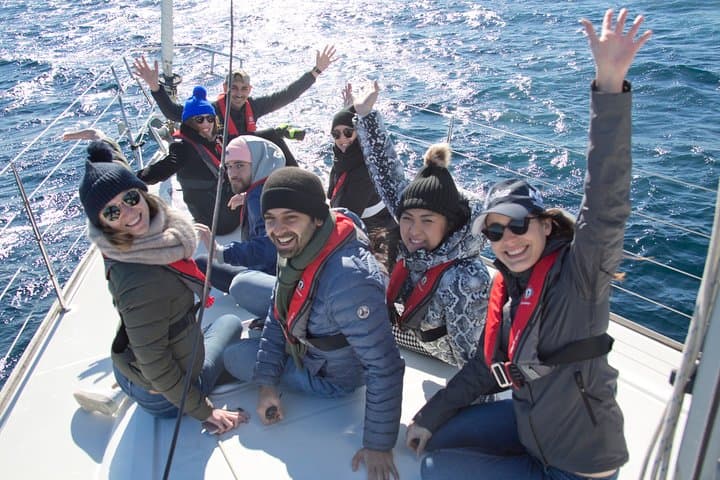
A low-slung sailboat slips away from Rose Bay as gulls quarrel over the wake; the harbor shrinks behind you and the Tasman Sea opens like a page turning. Salt air presses against the hull and the crew trims canvas when conditions allow, turning the short transit through Port Jackson into a deliberate, quieter crossing where the ocean does most of the storytelling.
Verified experiences and guided adventures in the surrounding area.
Operated by Charterscene · Rose Bay, New South Wales
A low-slung sailboat slips away from Rose Bay as gulls quarrel over the wake; the harbor shrinks behind you and the Tasman Sea opens like a page turning. Salt air presses against the hull and the crew trims canvas when conditions allow, turning the short transit through Port Jackson into a deliberate, quieter crossing where the ocean does most of the storytelling.
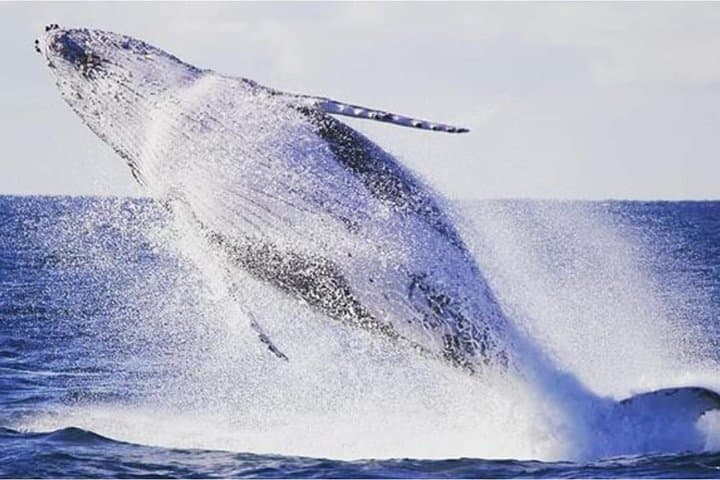
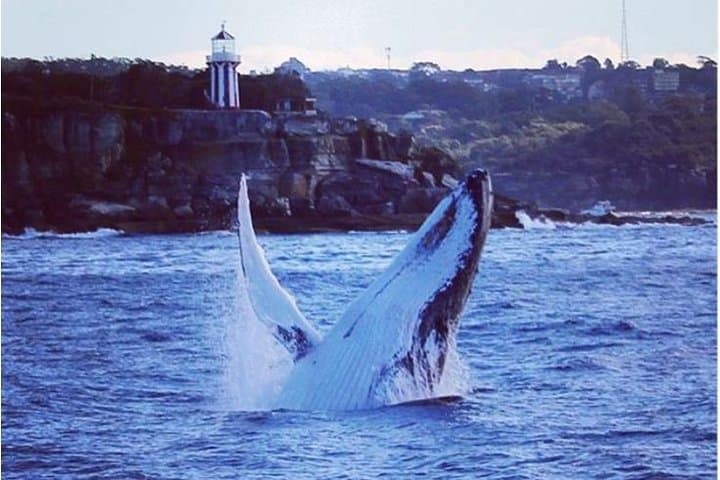
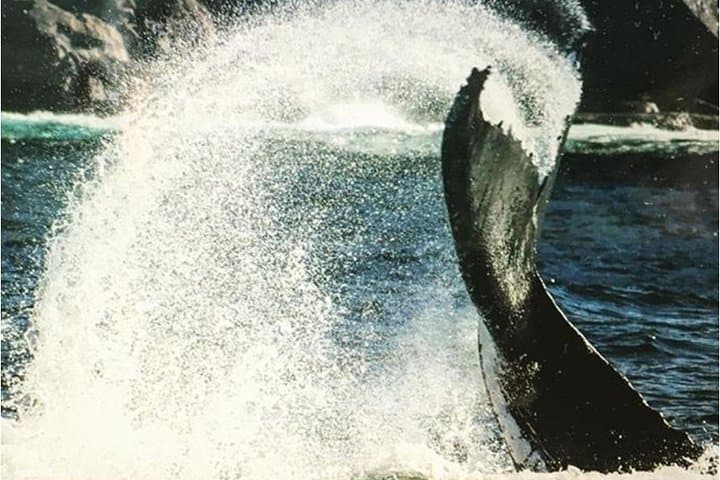
This coast has been a seafaring corridor for millennia — First Nations people navigated these waters long before colonial charting — and modern Sydney grew around a harbor shaped by drowned river valleys and volcanic sills. Humpback whales pass here on an epic north–south migration each year, their blows punctuating the long blue between bays and headlands. Locals read the water for spouts and tail-slaps; sailors and marine biologists alike follow seasonal patterns to predict where pods will surface.
On this small-group, three-hour trip you’ll get harbour sights en route, then head offshore to search for humpbacks and other cetaceans. The experience prioritises sail-power when safe and keeps vessel counts low to reduce disturbance.
Practical notes: departures are from Rose Bay Pontoon (easy street parking, ferry and bus links), trips run about three hours, and the tour caps at 12 passengers. Bring layered outerwear, a brimmed hat, and seasickness meds if you’re prone; crew provide bottled water, snacks and on-board restrooms. Keep cameras ready but follow crew instructions for approach distances — good sightings are often moments of quiet patience rather than spectacle. For the best odds, travel within the May–November migration window and plan to arrive early to board calmly.
easy.
3 hours.
Suitable for most fitness levels; requires ability to board a small vessel and stand for observation periods.
The main migration window runs roughly May through November; May–July and August–October are productive for northbound and southbound movements respectively.
Departures are from Rose Bay Pontoon on the west side of Lyne Park, with nearby ferry and bus links and street parking available.
Humpback whales are the primary target during migration; sightings of bottlenose dolphins and occasionally southern right whales occur but are less common.
The tour is generally easy but not recommended for children under five or travellers with serious spinal/heart issues; those prone to severe seasickness should consult a doctor and consider medication.
These waters have long been significant to First Nations people and later became a focal point of Sydney’s maritime expansion through the 19th century.
Operators adhere to whale-watching approach distances and limits on vessel numbers to reduce disturbance; choose providers who follow local marine mammal guidelines.
Charterscene operates guided outdoor trips and adventures with an emphasis on safety, stewardship, and memorable experiences.
A low-slung sailboat slips away from Rose Bay as gulls quarrel over the wake; the harbor shrinks behind you and the Tasman Sea opens like a page turning. Salt air presses against the hull and the crew trims canvas when conditions allow, turning the short transit through Port Jackson into a deliberate, quieter crossing where the ocean does most of the storytelling.
A low-slung sailboat slips away from Rose Bay as gulls quarrel over the wake; the harbor shrinks behind you and the Tasman Sea opens like a page turning. Salt air presses against the hull and the crew trims canvas when conditions allow, turning the short transit through Port Jackson into a deliberate, quieter crossing where the ocean does most of the storytelling.
This coast has been a seafaring corridor for millennia — First Nations people navigated these waters long before colonial charting — and modern Sydney grew around a harbor shaped by drowned river valleys and volcanic sills. Humpback whales pass here on an epic north–south migration each year, their blows punctuating the long blue between bays and headlands. Locals read the water for spouts and tail-slaps; sailors and marine biologists alike follow seasonal patterns to predict where pods will surface.
On this small-group, three-hour trip you’ll get harbour sights en route, then head offshore to search for humpbacks and other cetaceans. The experience prioritises sail-power when safe and keeps vessel counts low to reduce disturbance.
Practical notes: departures are from Rose Bay Pontoon (easy street parking, ferry and bus links), trips run about three hours, and the tour caps at 12 passengers. Bring layered outerwear, a brimmed hat, and seasickness meds if you’re prone; crew provide bottled water, snacks and on-board restrooms. Keep cameras ready but follow crew instructions for approach distances — good sightings are often moments of quiet patience rather than spectacle. For the best odds, travel within the May–November migration window and plan to arrive early to board calmly.