THE ADVENTURE COLLECTIVE® · Independent discovery and booking for outdoor travel

Leave Punta Arenas before dawn for a full-day catamaran through the Strait of Magellan, Cape Froward and Francisco Coloane Marine Park. Expect glaciers of the Darwin Range, colonies of Magellanic penguins and pods of dolphins alongside possible whale sightings.
Leave Punta Arenas before dawn for a full-day catamaran through the Strait of Magellan, Cape Froward and Francisco Coloane Marine Park. Expect glaciers of the Darwin Range, colonies of Magellanic penguins and pods of dolphins alongside possible whale sightings.
Daylight is thin in the austral sky as you gather at 04:00 in Punta Arenas and board the bus heading 50 km south to the boarding point. The Strait of Magellan opens like a cold throat, currents nudging the catamaran forward as gulls and albatross wheel above. Early light strips color from the Darwin Range, revealing hanging glaciers that glint with a blue older than the sea.
Verified experiences and guided adventures in the surrounding area.
Operated by Gray Line Chile · Punta Arenas, Magallanes y la Antártica Chilena
Daylight is thin in the austral sky as you gather at 04:00 in Punta Arenas and board the bus heading 50 km south to the boarding point. The Strait of Magellan opens like a cold throat, currents nudging the catamaran forward as gulls and albatross wheel above. Early light strips color from the Darwin Range, revealing hanging glaciers that glint with a blue older than the sea.
This route follows centuries of exploration and contested sovereignty — Fuerte Bulnes and Cape Froward mark the southern edge of continental America and the 19th-century push to claim Patagonia. Geologically, you’re skirting the Andean foothills where glacial carving left fjords, steep headlands, and sheltered channels that concentrate krill and the marine life that follows them.
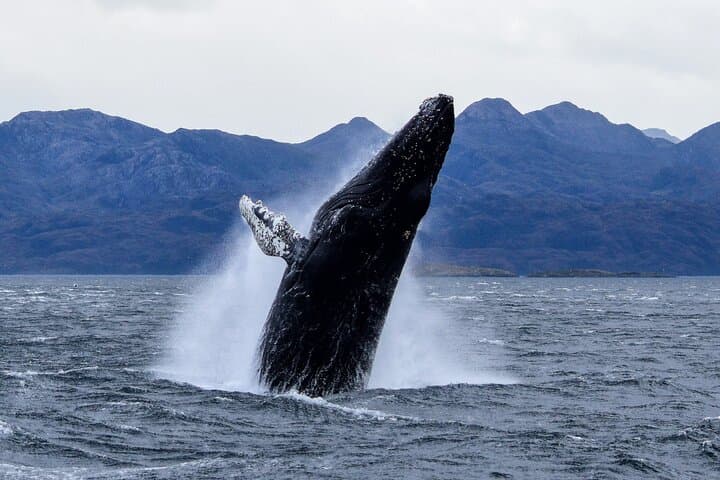
Expect raw wildlife encounters: humpback and sei whales, Commerson’s and austral dolphins, Magellanic penguin colonies, sea lions and cormorants. The Franco-Coloane Marine Park protects key feeding grounds, so sightings often come in sudden bursts — a dorsal fin slicing through calm, a penguin colony hunkered on wind-scoured rock.
Practically, the trip is a long day: plan for 10–12 hours total, with snacks, lunch, and hot drinks provided. Dress in windproof layers, bring binoculars and sea-sickness remedies if you’re prone, and secure cameras with telephoto lenses. Follow guides’ instructions for zodiac or shore approaches and respect roped-off wildlife areas. Return to Punta Arenas in the late afternoon with a catalog of close, cinematic moments that Patagonia delivers best when you meet it with patience and sturdiness.
moderate.
10–12 hours.
Suitable for travelers with moderate fitness — able to stand and move on a vessel for long periods and board small tenders if required.
Yes — a current valid passport is required at booking and on the day of travel.
Wildlife is abundant in the region; sightings are common but never guaranteed — whales, Magellanic penguins and dolphins are frequently observed.
The trip includes exposed ocean stretches; take preventive medication before departure and sit mid-ship where motion is minimized.
Yes — breakfast, snacks, lunch, and hot beverages are included during the full-day excursion.
Fuerte Bulnes was established in the mid-19th century as Chile asserted sovereignty over the Strait; the area has long been a crossroads for indigenous peoples and explorers.
Francisco Coloane Marine Park and regional protections focus on preserving feeding grounds and breeding sites — visitors should follow guide rules to minimize disturbance.
Gray Line Chile operates guided outdoor trips and adventures with an emphasis on safety, stewardship, and memorable experiences.
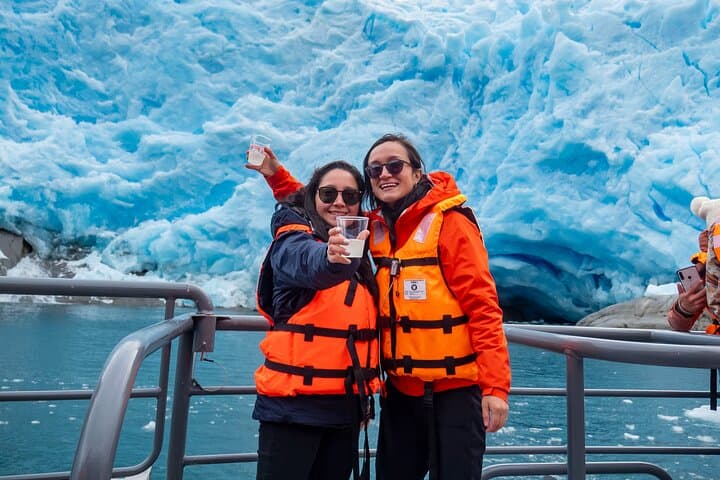
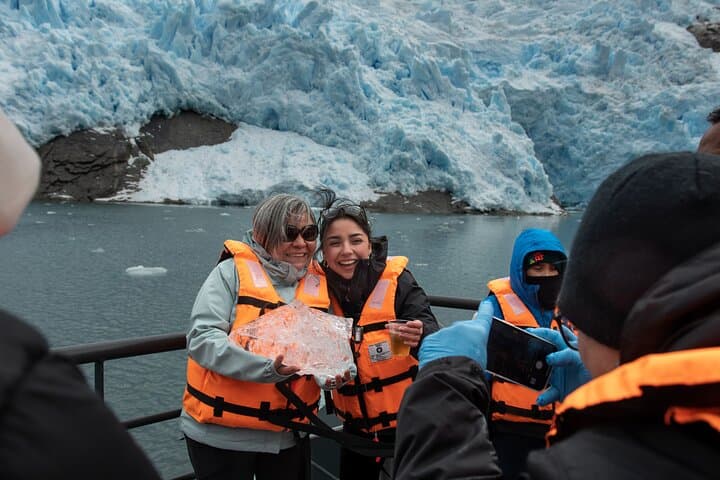
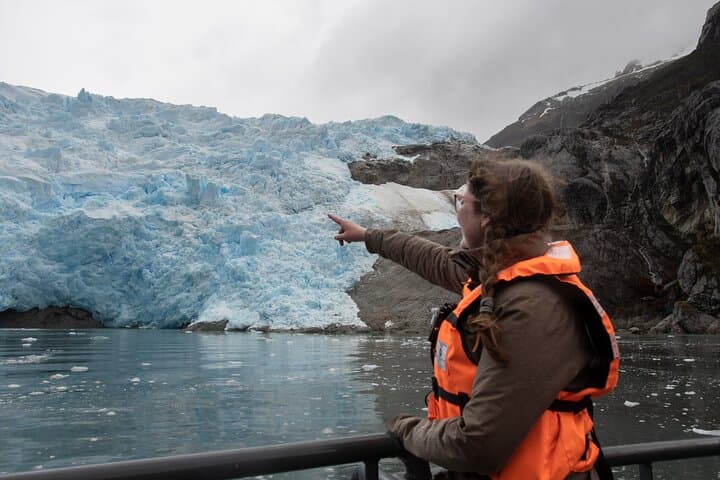
Daylight is thin in the austral sky as you gather at 04:00 in Punta Arenas and board the bus heading 50 km south to the boarding point. The Strait of Magellan opens like a cold throat, currents nudging the catamaran forward as gulls and albatross wheel above. Early light strips color from the Darwin Range, revealing hanging glaciers that glint with a blue older than the sea.
Daylight is thin in the austral sky as you gather at 04:00 in Punta Arenas and board the bus heading 50 km south to the boarding point. The Strait of Magellan opens like a cold throat, currents nudging the catamaran forward as gulls and albatross wheel above. Early light strips color from the Darwin Range, revealing hanging glaciers that glint with a blue older than the sea.
This route follows centuries of exploration and contested sovereignty — Fuerte Bulnes and Cape Froward mark the southern edge of continental America and the 19th-century push to claim Patagonia. Geologically, you’re skirting the Andean foothills where glacial carving left fjords, steep headlands, and sheltered channels that concentrate krill and the marine life that follows them.
Expect raw wildlife encounters: humpback and sei whales, Commerson’s and austral dolphins, Magellanic penguin colonies, sea lions and cormorants. The Franco-Coloane Marine Park protects key feeding grounds, so sightings often come in sudden bursts — a dorsal fin slicing through calm, a penguin colony hunkered on wind-scoured rock.
Practically, the trip is a long day: plan for 10–12 hours total, with snacks, lunch, and hot drinks provided. Dress in windproof layers, bring binoculars and sea-sickness remedies if you’re prone, and secure cameras with telephoto lenses. Follow guides’ instructions for zodiac or shore approaches and respect roped-off wildlife areas. Return to Punta Arenas in the late afternoon with a catalog of close, cinematic moments that Patagonia delivers best when you meet it with patience and sturdiness.