THE ADVENTURE COLLECTIVE® · Independent discovery and booking for outdoor travel

Head out from Knysna Heads for a two-hour close-encounter whale and dolphin cruise that targets Southern right, humpback and Bryde’s whales. Expect regulated approaches, year-round dolphins and peak whale season in winter.
Head out from Knysna Heads for a two-hour close-encounter whale and dolphin cruise that targets Southern right, humpback and Bryde’s whales. Expect regulated approaches, year-round dolphins and peak whale season in winter.
The boat slips out of Knysna’s narrow lagoon mouth and the ocean breathes against the hull — cold, briny, impatient. In minutes the coastline opens into jagged sandstone heads and the water begins to show movement: a blow, a rolling back, a dorsal cresting like a promise. On a close-encounter trip from Knysna you don a lifejacket, listen to the skipper’s calm briefing and let the sea dictate when the wildlife will reveal itself.
Verified experiences and guided adventures in the surrounding area.
Operated by Ocean Odyssey Whale Watching Knysna · Knysna, Western Cape
The boat slips out of Knysna’s narrow lagoon mouth and the ocean breathes against the hull — cold, briny, impatient. In minutes the coastline opens into jagged sandstone heads and the water begins to show movement: a blow, a rolling back, a dorsal cresting like a promise. On a close-encounter trip from Knysna you don a lifejacket, listen to the skipper’s calm briefing and let the sea dictate when the wildlife will reveal itself.
Knysna’s coastline was shaped by raised coastal sands and ancient quartzitic sandstones; the Heads funnel animals between the warm Agulhas-influenced shelf and the protected lagoon. The town grew from timber and oyster industries and sits where indigenous Khoisan routes met maritime trade, giving the area a layered cultural footprint from forest camps to Victorian quays.
Expect year-round dolphin sightings and Bryde’s whales, with Southern right and humpback whales most common in winter (June–November). The boat approach is regulated: guides balance proximity with animal welfare, and sightings are never guaranteed — these animals move on their own terms.
Practical edge: trips run about two hours, so dress windproof and layered, bring motion-sickness prevention, and carry water and a telephoto or binoculars for distant blows. Sea conditions change fast; operators may cancel in rough weather or if minimum passenger/weight limits aren’t met. For photographers, plan for backlit afternoons near the Heads and quieter windows at first light.
This voyage is a short, active marine experience — minimal fitness required but maximum attention to safety and stewardship. The reward is simple and direct: whales and dolphins showing their lives against a dramatic South African coast.
easy.
2 hours.
Suitable for most fitness levels; you should be able to step aboard a small vessel and stand for short periods.
No — marine mammals are wild and sightings cannot be guaranteed; operators will run trips but do not offer refunds for no sightings.
Most excursions check in at the Knysna Waterfront or nearby reception and stage from the lagoon mouth toward the Heads and open sea.
Children are permitted but not recommended under age 3; all children count as passengers and must follow crew safety rules.
Trips are subject to weather and sea conditions; operators will cancel or postpone for safety and may require minimum passenger numbers to run.
Knysna developed as a timber and oyster port in the 19th century, built where indigenous Khoisan routes met coastal trade; the Heads have long been a strategic maritime gateway.
Operators work under permits and local guidelines to minimize disturbance; keep noise and litter off the water and follow crew instructions to protect marine mammals.
Ocean Odyssey Whale Watching Knysna operates guided outdoor trips and adventures with an emphasis on safety, stewardship, and memorable experiences.
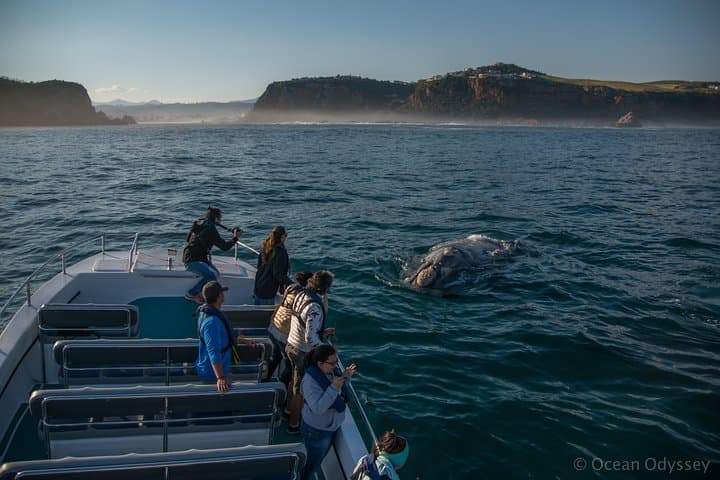
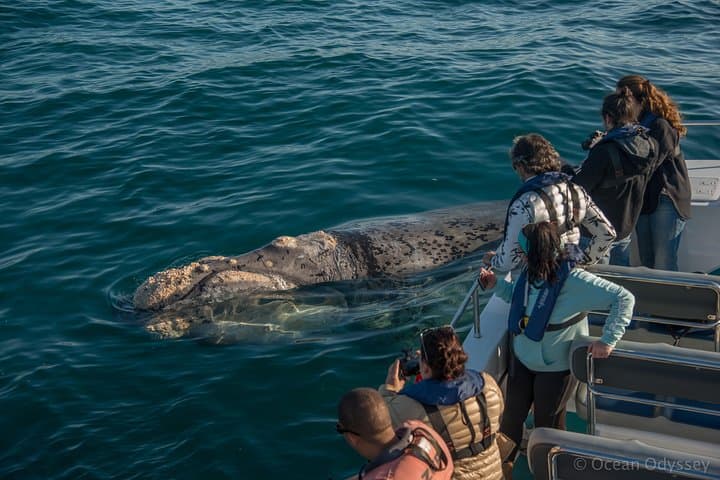
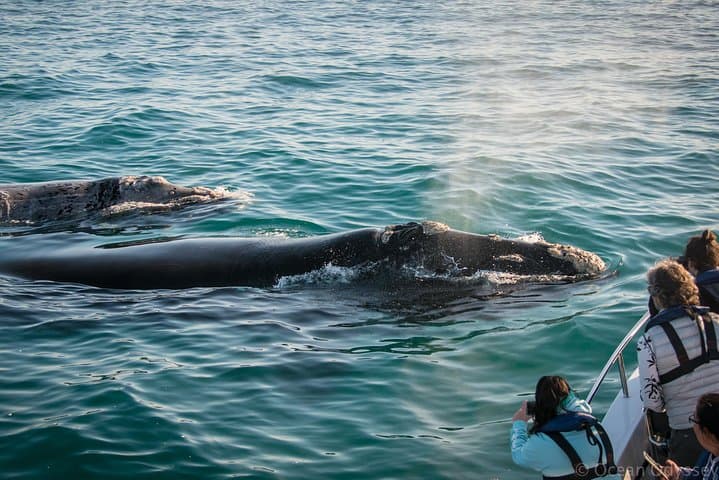
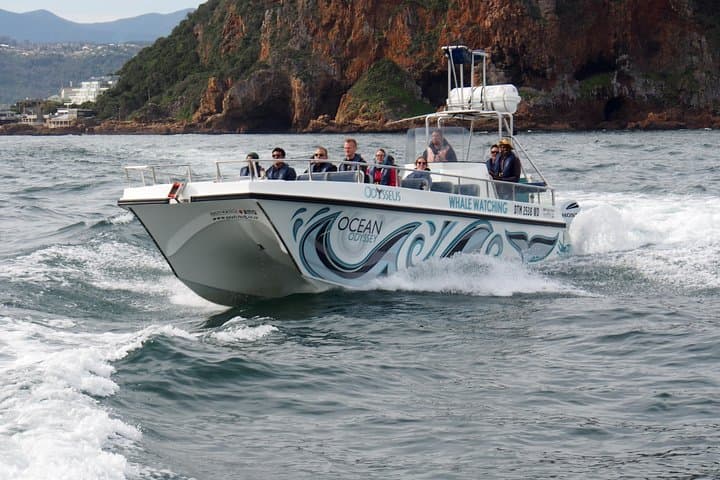
The boat slips out of Knysna’s narrow lagoon mouth and the ocean breathes against the hull — cold, briny, impatient. In minutes the coastline opens into jagged sandstone heads and the water begins to show movement: a blow, a rolling back, a dorsal cresting like a promise. On a close-encounter trip from Knysna you don a lifejacket, listen to the skipper’s calm briefing and let the sea dictate when the wildlife will reveal itself.
The boat slips out of Knysna’s narrow lagoon mouth and the ocean breathes against the hull — cold, briny, impatient. In minutes the coastline opens into jagged sandstone heads and the water begins to show movement: a blow, a rolling back, a dorsal cresting like a promise. On a close-encounter trip from Knysna you don a lifejacket, listen to the skipper’s calm briefing and let the sea dictate when the wildlife will reveal itself.
Knysna’s coastline was shaped by raised coastal sands and ancient quartzitic sandstones; the Heads funnel animals between the warm Agulhas-influenced shelf and the protected lagoon. The town grew from timber and oyster industries and sits where indigenous Khoisan routes met maritime trade, giving the area a layered cultural footprint from forest camps to Victorian quays.
Expect year-round dolphin sightings and Bryde’s whales, with Southern right and humpback whales most common in winter (June–November). The boat approach is regulated: guides balance proximity with animal welfare, and sightings are never guaranteed — these animals move on their own terms.
Practical edge: trips run about two hours, so dress windproof and layered, bring motion-sickness prevention, and carry water and a telephoto or binoculars for distant blows. Sea conditions change fast; operators may cancel in rough weather or if minimum passenger/weight limits aren’t met. For photographers, plan for backlit afternoons near the Heads and quieter windows at first light.
This voyage is a short, active marine experience — minimal fitness required but maximum attention to safety and stewardship. The reward is simple and direct: whales and dolphins showing their lives against a dramatic South African coast.