THE ADVENTURE COLLECTIVE® · Independent discovery and booking for outdoor travel

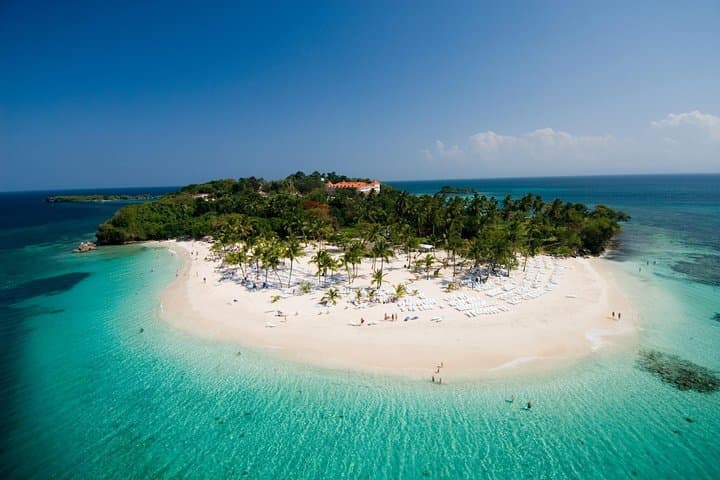
Witness humpback whales in Samaná Bay on a full-day expedition from the Puerto Plata region. Expect long crossings, close-up surface behavior, and a post-sighting stop at Cayo Levantado for lunch and beach time.
Witness humpback whales in Samaná Bay on a full-day expedition from the Puerto Plata region. Expect long crossings, close-up surface behavior, and a post-sighting stop at Cayo Levantado for lunch and beach time.
A low, salt breeze carries the sound of exhalation before you see them—dark backs breaking the glassy blue of Samaná Bay, and then a spray that dots the horizon like living punctuation. On a long-day boat trip from the Puerto Plata/Sosúa/Cabarete corridor you cross a wide Caribbean inlet where humpback whales arrive each winter to breed and nurse calves.
Verified experiences and guided adventures in the surrounding area.
Operated by Eric Tours International · Samaná, Samaná Province
A low, salt breeze carries the sound of exhalation before you see them—dark backs breaking the glassy blue of Samaná Bay, and then a spray that dots the horizon like living punctuation. On a long-day boat trip from the Puerto Plata/Sosúa/Cabarete corridor you cross a wide Caribbean inlet where humpback whales arrive each winter to breed and nurse calves.
The bay’s shallow, protected waters and warm currents make it a natural nursery. Geologically, Samaná sits on a series of limestone shelves and coral outcrops; the bay’s shelter and food chains draw whales from the North Atlantic every January through March. Culturally the region blends Taino heritage, Spanish colonial history, and strong Afro-Dominican fishing traditions—local crews bring practical sea sense to every outing.
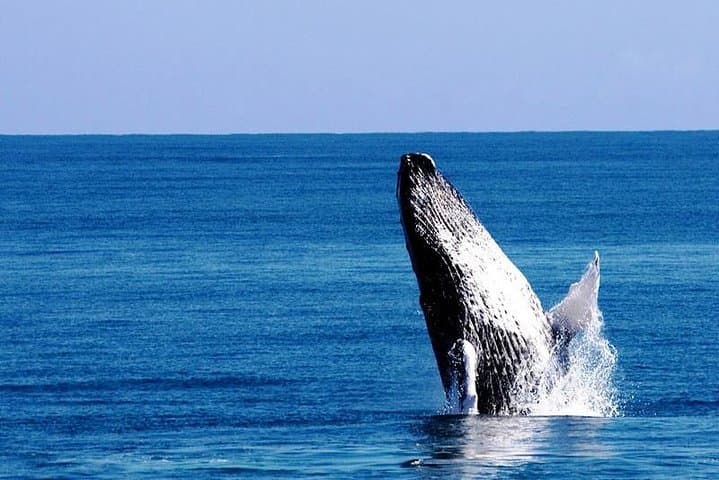
Expect prolonged sightings: surface blows, pectoral slaps, tail dives and occasional breaches from males displaying strength. Boats typically operate under regulated distances; guides translate whale behavior and point out calves and flukes.
Practical guidance: it’s an 11–13 hour day if picked up from Puerto Plata or nearby towns—plan for early pickup and a late return. Bring sea-sickness remedies, layered sun protection, and a camera with telephoto or binoculars. Breakfast and Dominican-style lunch on Cayo Levantado are generally included, but space on deck is limited—pack light. Mobility is easy but not recommended for people with significant spinal issues. Weather can change; operators may alter plans for safety. For the best chance to see active displays, book trips in peak months (mid-January to end of March) and travel with experienced local captains who follow responsible viewing practices.
moderate.
11–13 hours.
Comfortable sitting and standing on a boat for several hours; able to board small vessels and handle short transfers.
Mid-January through the end of March is peak season when humpbacks arrive to mate and calve.
No—operators have high encounter rates in season, but whales are wild animals and sightings cannot be guaranteed.
Yes—infants and small children can usually ride, and the operator notes stroller accessibility; check age restrictions with the provider.
Tours run about 11–13 hours from Puerto Plata area pick-ups; breakfast and a Dominican-style lunch on Cayo Levantado are typically included.
Samaná Bay has long been a refuge for marine life; the peninsula’s history includes Taino settlements and later colonial and Afro-Dominican maritime cultures tied to fishing and boatbuilding.
Responsible operators follow distance and approach guidelines to reduce disturbance; avoid single-use plastics and follow guide instructions to minimize impact on whales and reef habitats.
Eric Tours International operates guided outdoor trips and adventures with an emphasis on safety, stewardship, and memorable experiences.
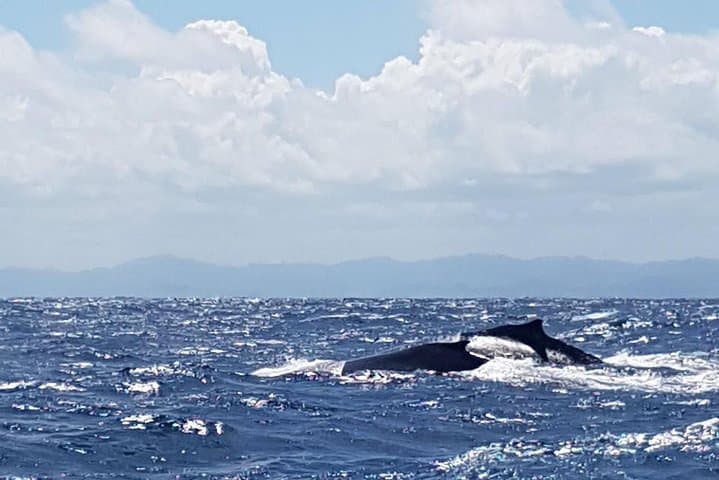
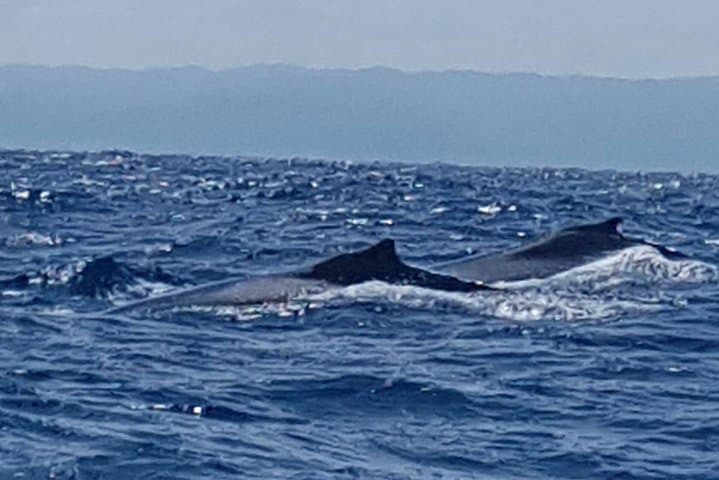
A low, salt breeze carries the sound of exhalation before you see them—dark backs breaking the glassy blue of Samaná Bay, and then a spray that dots the horizon like living punctuation. On a long-day boat trip from the Puerto Plata/Sosúa/Cabarete corridor you cross a wide Caribbean inlet where humpback whales arrive each winter to breed and nurse calves.
A low, salt breeze carries the sound of exhalation before you see them—dark backs breaking the glassy blue of Samaná Bay, and then a spray that dots the horizon like living punctuation. On a long-day boat trip from the Puerto Plata/Sosúa/Cabarete corridor you cross a wide Caribbean inlet where humpback whales arrive each winter to breed and nurse calves.
The bay’s shallow, protected waters and warm currents make it a natural nursery. Geologically, Samaná sits on a series of limestone shelves and coral outcrops; the bay’s shelter and food chains draw whales from the North Atlantic every January through March. Culturally the region blends Taino heritage, Spanish colonial history, and strong Afro-Dominican fishing traditions—local crews bring practical sea sense to every outing.
Expect prolonged sightings: surface blows, pectoral slaps, tail dives and occasional breaches from males displaying strength. Boats typically operate under regulated distances; guides translate whale behavior and point out calves and flukes.
Practical guidance: it’s an 11–13 hour day if picked up from Puerto Plata or nearby towns—plan for early pickup and a late return. Bring sea-sickness remedies, layered sun protection, and a camera with telephoto or binoculars. Breakfast and Dominican-style lunch on Cayo Levantado are generally included, but space on deck is limited—pack light. Mobility is easy but not recommended for people with significant spinal issues. Weather can change; operators may alter plans for safety. For the best chance to see active displays, book trips in peak months (mid-January to end of March) and travel with experienced local captains who follow responsible viewing practices.