THE ADVENTURE COLLECTIVE® · Independent discovery and booking for outdoor travel

Head out of Las Terrenas for a six-hour boat trip into Samaná Bay where humpback whales put on a show and Cayo Levantado offers powder-white sand and a Dominican lunch. This guided tour balances spectacle with sustainability—ideal for first-time whale watchers.
Head out of Las Terrenas for a six-hour boat trip into Samaná Bay where humpback whales put on a show and Cayo Levantado offers powder-white sand and a Dominican lunch. This guided tour balances spectacle with sustainability—ideal for first-time whale watchers.
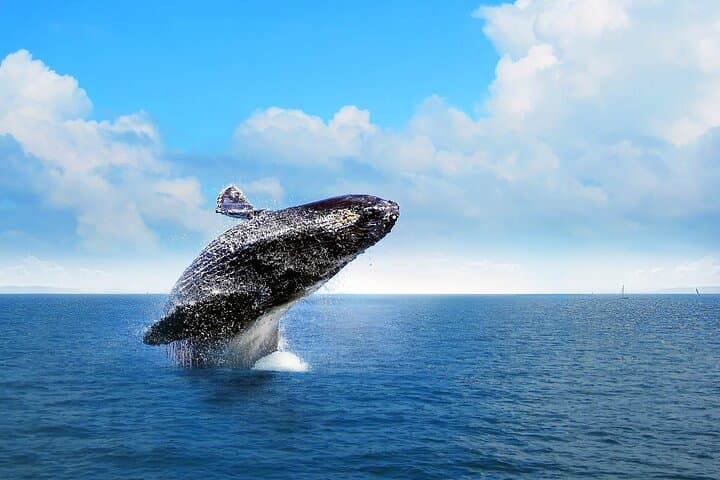
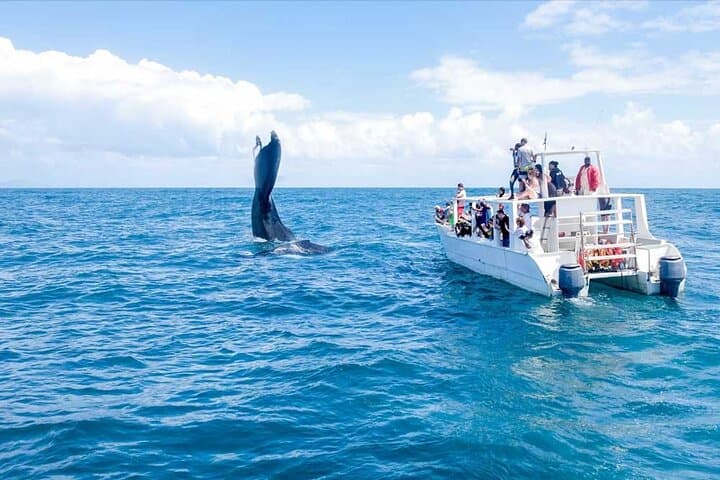
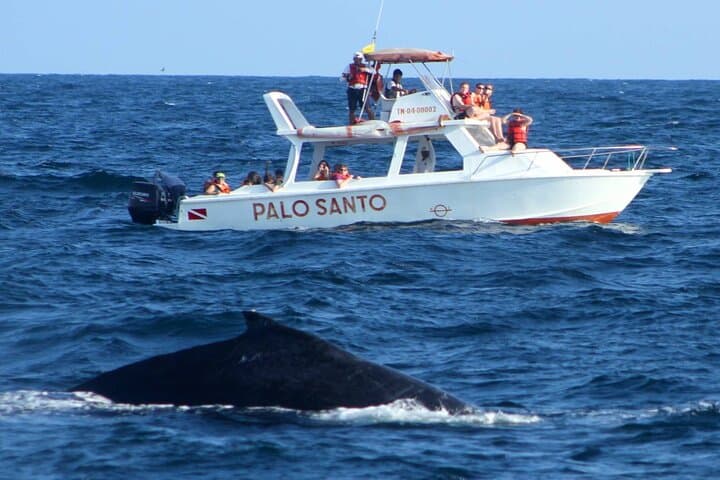
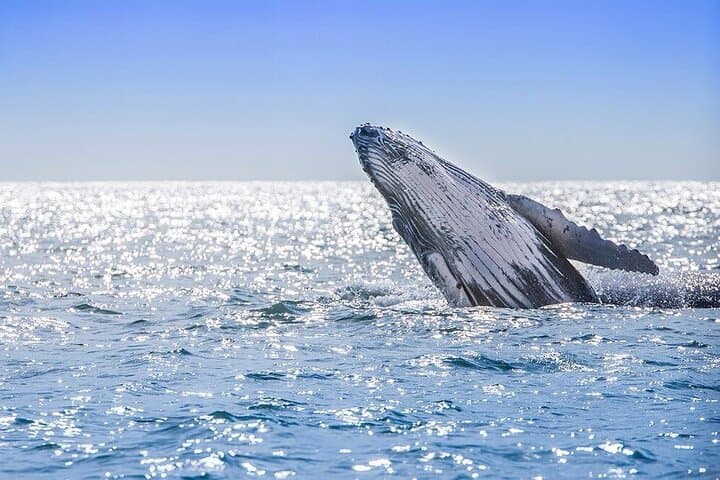
The boat slips out of Las Terrenas before the day gets hot, engines easing into the broad blue of the Samaná Peninsula. Salt and diesel mix on the wind; fishermen wave as the coastline thins into open water. Guides scan the horizon with binoculars, and then — a dark back breaks the surface, a plume of mist rises, a tail flips. Humpbacks are not content to be distant dots. They sing through the water and punctuate their songs with theatrical breaches that throw up sprays of sea and sunlight.
Verified experiences and guided adventures in the surrounding area.
Operated by Oasis Humpack RD · Las Terrenas, Samaná Province
The boat slips out of Las Terrenas before the day gets hot, engines easing into the broad blue of the Samaná Peninsula. Salt and diesel mix on the wind; fishermen wave as the coastline thins into open water. Guides scan the horizon with binoculars, and then — a dark back breaks the surface, a plume of mist rises, a tail flips. Humpbacks are not content to be distant dots. They sing through the water and punctuate their songs with theatrical breaches that throw up sprays of sea and sunlight.
Samaná Bay is one of the Western Hemisphere’s most important humpback breeding grounds. Every winter thousands of North Atlantic humpbacks migrate here to mate and nurse calves in the warm, sheltered Caribbean waters. The bay’s curved shoreline and deep channels are products of a tectonic past; limestone outcrops and coral reefs frame beaches like Cayo Levantado, a sugar-white islet locally known as Bacardí Island after a famous rum ad filmed there.
Culture sits close to the water here. The Samaná region has deep Taíno roots, followed by Spanish and later waves of Haitian and Anglo-Caribbean influence; the result is a place where seafood cooking and boat-building share the same vocabulary. Local captains and naturalist guides steward whale-watching with an eye on both spectacle and safety — rules limit close approaches and keep the animals’ breathing space intact.
The trip is practical and pleasurable: roughly six hours round-trip, with hotel pickup from Las Terrenas, guided whale-viewing, and time to relax on Cayo Levantado before a Dominican lunch. It’s an easy outing physically, but the sea can be choppy; bring motion-sickness prevention if you’re prone to it. Binoculars, a fast telephoto lens, and a waterproof case will capture the best moments — tail slaps, mother-calf pairs, and the fine spray of a breach.
Plan around seasonality: peak whale action runs January through March, when mating displays and calves are most visible. If you care about crowds, book an early departure and confirm pickup times the day before. Respect the animals — follow your guide’s instructions, avoid loud noise, and don’t attempt to feed or swim with whales.
Beyond the main attractions, the tour supports local livelihoods: guides, boat crews, and small beachfront vendors rely on sustainable whale tourism. Visit with curiosity and care, and you leave a lighter footprint while taking home a memory of something vast — a wild creature insisting on being seen.
easy.
6 hours.
Suitable for most fitness levels; requires standing on a moving vessel and short walks on sand at Cayo Levantado
Peak season runs January through March when mating displays, breaches and calves are most common; sightings can occur outside these months but are less predictable.
Yes — the tour includes a Dominican lunch on Cayo Levantado, typically served buffet-style at a beachfront restaurant.
Yes, infants are allowed but must sit on an adult’s lap; the activity is rated easy but children should be supervised on the boat and beach.
Tours are cancelled in poor weather for safety, and you can receive a full refund if you cancel at least 24 hours before departure; operators may also reschedule.
Yes — the island’s shallow, clear waters are ideal for swimming and snorkeling, but check currents and follow staff guidance for safe entry points.
Most bookings include hotel pickup; operators will contact you to confirm the exact pickup time the day before departure.
Samaná has long been a sheltered maritime corridor — Taíno communities fished these waters before Spanish colonization, and the bay later became an important stop for sailors and small-scale fishermen.
Whale-watching here follows regional guidelines to minimize disturbance; choose operators who keep distance, limit engine noise, and contribute to local conservation programs.
Oasis Humpack RD operates guided outdoor trips and adventures with an emphasis on safety, stewardship, and memorable experiences.
The boat slips out of Las Terrenas before the day gets hot, engines easing into the broad blue of the Samaná Peninsula. Salt and diesel mix on the wind; fishermen wave as the coastline thins into open water. Guides scan the horizon with binoculars, and then — a dark back breaks the surface, a plume of mist rises, a tail flips. Humpbacks are not content to be distant dots. They sing through the water and punctuate their songs with theatrical breaches that throw up sprays of sea and sunlight.
The boat slips out of Las Terrenas before the day gets hot, engines easing into the broad blue of the Samaná Peninsula. Salt and diesel mix on the wind; fishermen wave as the coastline thins into open water. Guides scan the horizon with binoculars, and then — a dark back breaks the surface, a plume of mist rises, a tail flips. Humpbacks are not content to be distant dots. They sing through the water and punctuate their songs with theatrical breaches that throw up sprays of sea and sunlight.
Samaná Bay is one of the Western Hemisphere’s most important humpback breeding grounds. Every winter thousands of North Atlantic humpbacks migrate here to mate and nurse calves in the warm, sheltered Caribbean waters. The bay’s curved shoreline and deep channels are products of a tectonic past; limestone outcrops and coral reefs frame beaches like Cayo Levantado, a sugar-white islet locally known as Bacardí Island after a famous rum ad filmed there.
Culture sits close to the water here. The Samaná region has deep Taíno roots, followed by Spanish and later waves of Haitian and Anglo-Caribbean influence; the result is a place where seafood cooking and boat-building share the same vocabulary. Local captains and naturalist guides steward whale-watching with an eye on both spectacle and safety — rules limit close approaches and keep the animals’ breathing space intact.
The trip is practical and pleasurable: roughly six hours round-trip, with hotel pickup from Las Terrenas, guided whale-viewing, and time to relax on Cayo Levantado before a Dominican lunch. It’s an easy outing physically, but the sea can be choppy; bring motion-sickness prevention if you’re prone to it. Binoculars, a fast telephoto lens, and a waterproof case will capture the best moments — tail slaps, mother-calf pairs, and the fine spray of a breach.
Plan around seasonality: peak whale action runs January through March, when mating displays and calves are most visible. If you care about crowds, book an early departure and confirm pickup times the day before. Respect the animals — follow your guide’s instructions, avoid loud noise, and don’t attempt to feed or swim with whales.
Beyond the main attractions, the tour supports local livelihoods: guides, boat crews, and small beachfront vendors rely on sustainable whale tourism. Visit with curiosity and care, and you leave a lighter footprint while taking home a memory of something vast — a wild creature insisting on being seen.