THE ADVENTURE COLLECTIVE® · Independent discovery and booking for outdoor travel

Spend a sun-drenched day watching humpback whales in Samaná Bay, then unwind on Cayo Levantado’s white-sand beach. This six-hour trip from Las Terrenas pairs marine wildlife viewing with a tropical island lunch.
Spend a sun-drenched day watching humpback whales in Samaná Bay, then unwind on Cayo Levantado’s white-sand beach. This six-hour trip from Las Terrenas pairs marine wildlife viewing with a tropical island lunch.
You step onto the launch as the peninsula shrinks behind you and the Caribbean opens wide — a burnished ribbon of turquoise that seems to dare you to keep pace. The captain eases into a steady hum and the harbor slips away; within an hour the chatter on deck hushes. Someone points, binoculars rise, and the surface breaks as a humpback arches into the air: water explodes, tails slap like punctuation. For two hours the ocean stages that same theater — males singing in low tones, mothers shielding calves, and occasional breaches that throw salt and sunlight in equal measure.
Verified experiences and guided adventures in the surrounding area.
Operated by Shelting Tours · Las Terrenas, Samaná Province
You step onto the launch as the peninsula shrinks behind you and the Caribbean opens wide — a burnished ribbon of turquoise that seems to dare you to keep pace. The captain eases into a steady hum and the harbor slips away; within an hour the chatter on deck hushes. Someone points, binoculars rise, and the surface breaks as a humpback arches into the air: water explodes, tails slap like punctuation. For two hours the ocean stages that same theater — males singing in low tones, mothers shielding calves, and occasional breaches that throw salt and sunlight in equal measure.
This corridor in northeastern Dominican Republic is carved by geology and habit. Samaná Bay is a broad, sheltered embayment formed by tectonic folding and erosion; its warm, shallow waters become a maternity refuge for North Atlantic humpback whales each winter. Cayo Levantado — the white-sand dot often called Bacardí Island after a rum ad filmed there — sits on a fringe of fringing reef and palm shade. The area’s history mixes Taino roots, Spanish colonial ports, and a modern tourism economy that orbits around seasonal whale migration.
On the water you notice details: chalky cliffs on the inner bay that catch the morning light, the occasional fishing skiff trimming a net, frigatebirds riding thermals. Locals will tell you the whales arrive around January and begin moving out by late March; February is usually the peak of courtship displays. Guides on these day trips combine natural history with practical seamanship — they track the whales’ preferred channels and keep a respectful distance while still delivering spectacle.
Practical guide: this is a six‑hour outing with roughly two hours dedicated to whale watching and two hours ashore at Cayo Levantado, plus transit. Pickup from Las Terrenas hotels is common; expect to be ready 15 minutes before your scheduled pickup. The boat ride is smooth but choppy patches occur — bring motion-sickness medication if you’re prone. Camera gear: a telephoto in the 200–400mm range will capture tails and breaches; stabilize with a fast shutter speed. Lunch is included on the island, and there’s time to swim in clear, shallow water framed by coconut palms.
Safety and etiquette matter: maintain distance from whales, follow guide instructions, and use reef-safe sunscreen when swimming. The experience balances close-up marine life viewing with a relaxed island interlude — it’s the kind of day that leaves your ears full of whale song and your pockets full of sand.
easy.
6 hours.
Light activity level required—able to board a small boat and walk short distances on sand
Humpback whales visit from about mid-January through March, with February often the peak for breaches and courtship displays.
The tour is approximately six hours total: about two hours of whale watching, two hours on Cayo Levantado, plus boat transit and transfers.
Yes — a Dominican-style lunch is served on Cayo Levantado as part of the tour inclusions.
Sightings are frequent in season but not guaranteed; operators follow regulations and weather, and trips may be canceled for safety or poor conditions.
Yes — the operator lists the tour as suitable for all fitness levels, but bring sunscreen and motion-sickness precautions for young children.
Yes — there’s time to swim in shallow, clear water; be mindful of currents and use reef-safe sunscreen to protect coral.
Samaná Bay has been a seasonal sanctuary for humpbacks for centuries; the area later developed as a colonial port and fishing hub before tourism centered on whale watching emerged in the 20th century.
Operators are regulated to keep safe distances from whales and avoid disturbing mothers and calves; visitors should use reef‑safe products and avoid touching coral.
Shelting Tours operates guided outdoor trips and adventures with an emphasis on safety, stewardship, and memorable experiences.
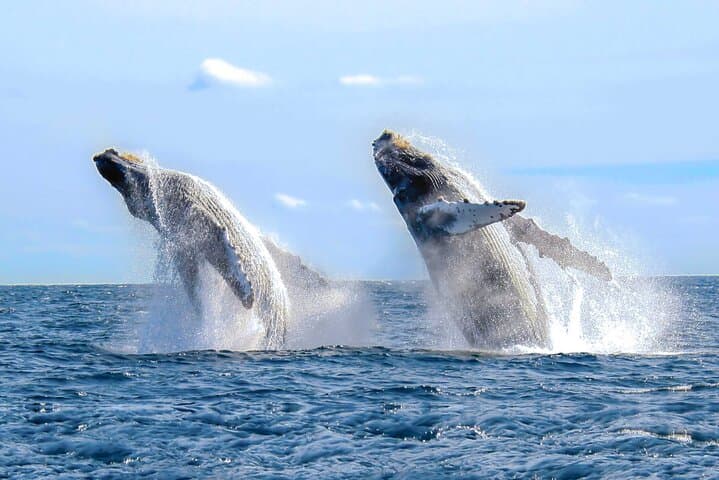
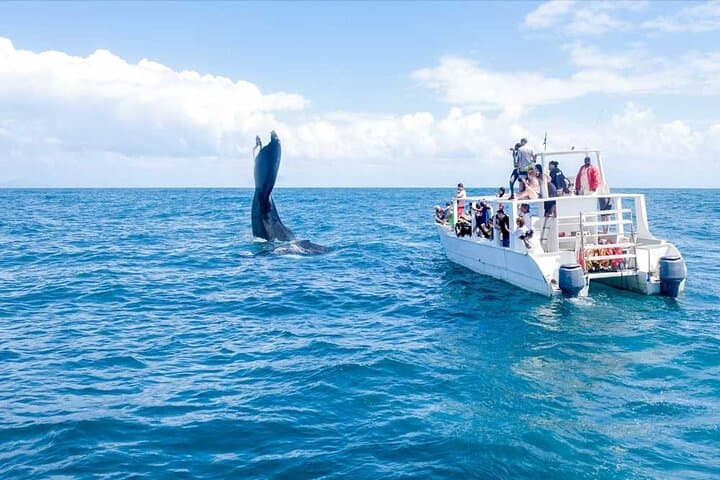
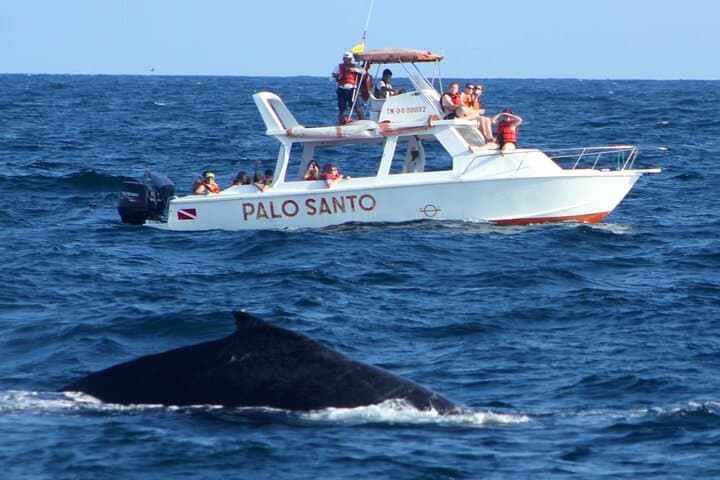
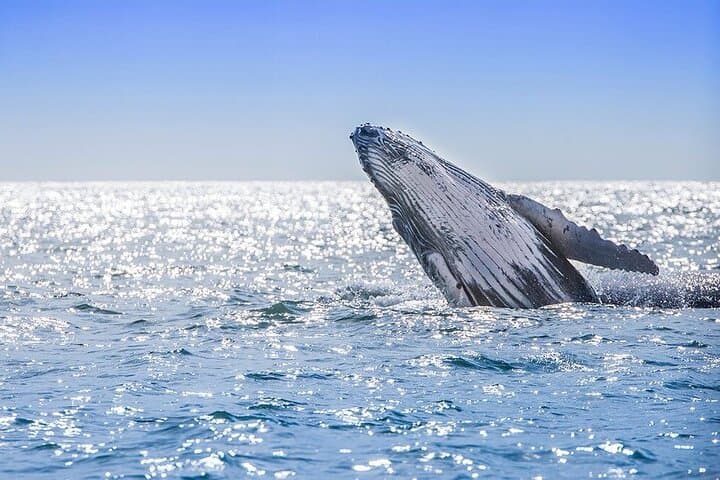
You step onto the launch as the peninsula shrinks behind you and the Caribbean opens wide — a burnished ribbon of turquoise that seems to dare you to keep pace. The captain eases into a steady hum and the harbor slips away; within an hour the chatter on deck hushes. Someone points, binoculars rise, and the surface breaks as a humpback arches into the air: water explodes, tails slap like punctuation. For two hours the ocean stages that same theater — males singing in low tones, mothers shielding calves, and occasional breaches that throw salt and sunlight in equal measure.
You step onto the launch as the peninsula shrinks behind you and the Caribbean opens wide — a burnished ribbon of turquoise that seems to dare you to keep pace. The captain eases into a steady hum and the harbor slips away; within an hour the chatter on deck hushes. Someone points, binoculars rise, and the surface breaks as a humpback arches into the air: water explodes, tails slap like punctuation. For two hours the ocean stages that same theater — males singing in low tones, mothers shielding calves, and occasional breaches that throw salt and sunlight in equal measure.
This corridor in northeastern Dominican Republic is carved by geology and habit. Samaná Bay is a broad, sheltered embayment formed by tectonic folding and erosion; its warm, shallow waters become a maternity refuge for North Atlantic humpback whales each winter. Cayo Levantado — the white-sand dot often called Bacardí Island after a rum ad filmed there — sits on a fringe of fringing reef and palm shade. The area’s history mixes Taino roots, Spanish colonial ports, and a modern tourism economy that orbits around seasonal whale migration.
On the water you notice details: chalky cliffs on the inner bay that catch the morning light, the occasional fishing skiff trimming a net, frigatebirds riding thermals. Locals will tell you the whales arrive around January and begin moving out by late March; February is usually the peak of courtship displays. Guides on these day trips combine natural history with practical seamanship — they track the whales’ preferred channels and keep a respectful distance while still delivering spectacle.
Practical guide: this is a six‑hour outing with roughly two hours dedicated to whale watching and two hours ashore at Cayo Levantado, plus transit. Pickup from Las Terrenas hotels is common; expect to be ready 15 minutes before your scheduled pickup. The boat ride is smooth but choppy patches occur — bring motion-sickness medication if you’re prone. Camera gear: a telephoto in the 200–400mm range will capture tails and breaches; stabilize with a fast shutter speed. Lunch is included on the island, and there’s time to swim in clear, shallow water framed by coconut palms.
Safety and etiquette matter: maintain distance from whales, follow guide instructions, and use reef-safe sunscreen when swimming. The experience balances close-up marine life viewing with a relaxed island interlude — it’s the kind of day that leaves your ears full of whale song and your pockets full of sand.