THE ADVENTURE COLLECTIVE® · Independent discovery and booking for outdoor travel

Set off from Naha or Chatan for a compact, guided whale-watching tour through Okinawa’s winter breeding grounds. Expect up to three hours at sea, whale-focused viewing time, and English interpretation from experienced captains.
Set off from Naha or Chatan for a compact, guided whale-watching tour through Okinawa’s winter breeding grounds. Expect up to three hours at sea, whale-focused viewing time, and English interpretation from experienced captains.
The boat slips free from Naha or Chatan and the sea stretches out, a bright, restless field where breath and blow signal something vast beneath the surface. On clear mornings the water flashes turquoise; on gray days the ocean feels like a question—inviting, patient. Guides scan the horizon, binoculars tracing the swell until a spout cuts the skyline and the group leans in together.
Verified experiences and guided adventures in the surrounding area.
Operated by Cerulean Blue Okinawa · Naha, Okinawa Prefecture
The boat slips free from Naha or Chatan and the sea stretches out, a bright, restless field where breath and blow signal something vast beneath the surface. On clear mornings the water flashes turquoise; on gray days the ocean feels like a question—inviting, patient. Guides scan the horizon, binoculars tracing the swell until a spout cuts the skyline and the group leans in together.
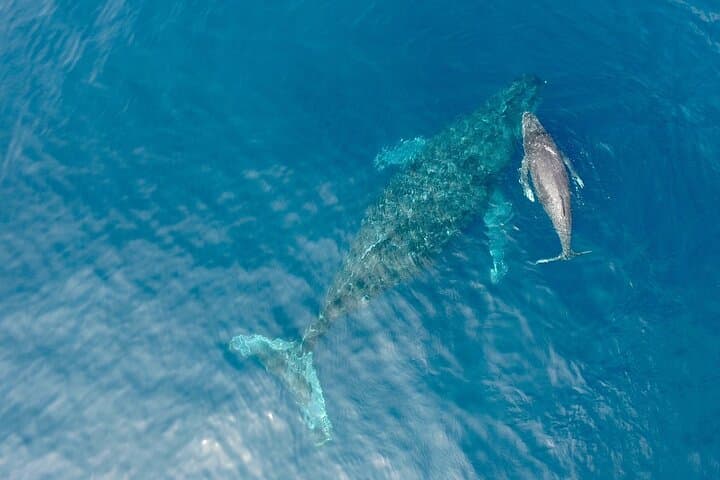
Okinawa sits at the southern edge of Japan’s island arc, where the warm Kuroshio Current invites humpback whales during breeding season. The islands’ coral foundations and steep offshore drop-offs shape both local fisheries and migratory routes that have been part of Ryukyu maritime life for centuries.
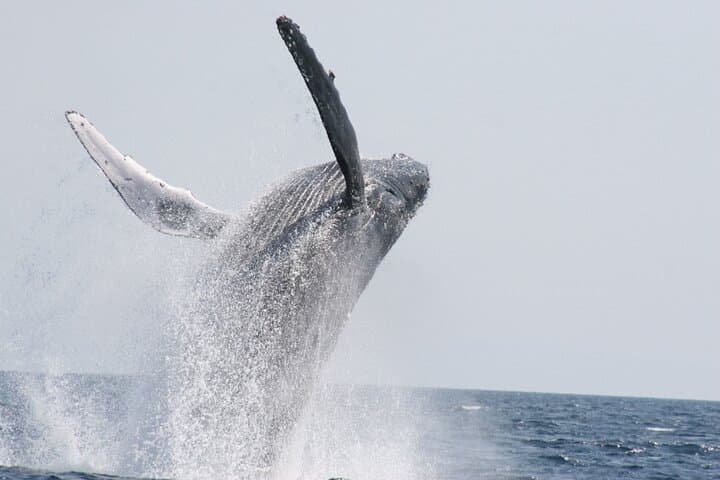
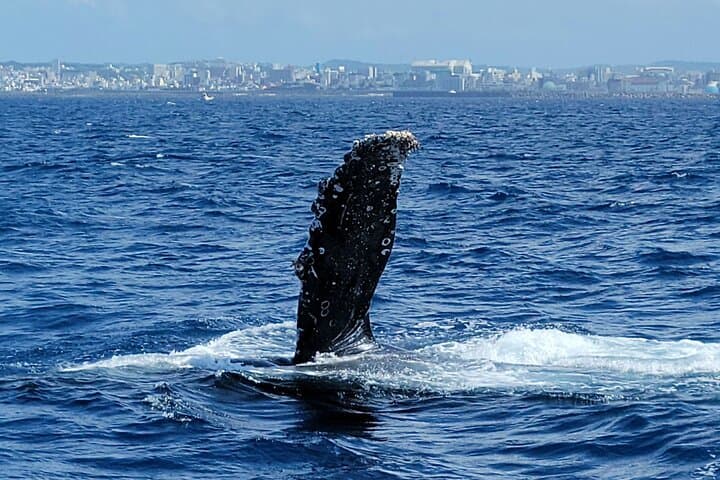
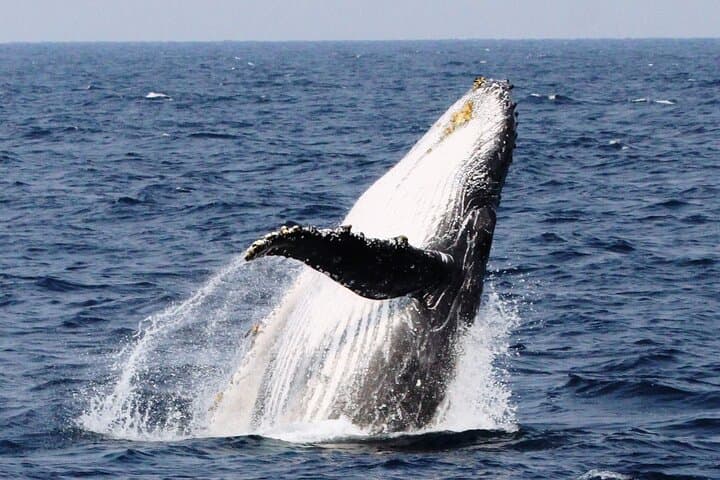
Expect boat time of up to three hours, with roughly one hour focused on whale observation when animals are found. Guides explain whale behavior, pointing out blows, tail slaps, and the careful distance kept under Japanese marine guidelines. Beyond whales, look for spinner dolphins and the mottled backs of sea turtles closer to coral reefs.
Practical notes: bring motion-sickness remedies, layered windproof clothing, and a camera with a fast shutter; operators often provide photo downloads after the tour. Departures from Naha make for the shortest access; Chatan departures use Chatan Fisharena pickup. Tours operate in seasonal windows—peak sightings come in late winter to early spring—so book early and allow extra time for transfers. The ocean is changeable: dress for sun and spray, and expect guides to alter plans for safety and whale welfare.
moderate.
2–3 hours.
Moderate fitness to stand and move on a rocking deck; short walks to meeting points may be required
The peak breeding and calf season runs roughly from January through April, with February–March often offering the highest chance of sightings.
Tours run up to three hours; when whales are found, guides typically focus watching for about an hour, but total time varies by sighting.
No—whales are wild animals and sightings cannot be guaranteed except for specific operator policies during defined dates; check refund or reboarding terms for your booking window.
Yes, but infants must sit on an adult’s lap and operators restrict travel for pregnant guests or those with serious heart or spinal conditions.
Okinawa’s islands were central to Ryukyu maritime trade and fishing traditions; local seafaring knowledge informs today’s whale-watching practices.
Operators follow local whale-watching regulations to minimize disturbance; choose tours that maintain distance and avoid chasing animals to protect breeding mothers and calves.
Cerulean Blue Okinawa operates guided outdoor trips and adventures with an emphasis on safety, stewardship, and memorable experiences.
The boat slips free from Naha or Chatan and the sea stretches out, a bright, restless field where breath and blow signal something vast beneath the surface. On clear mornings the water flashes turquoise; on gray days the ocean feels like a question—inviting, patient. Guides scan the horizon, binoculars tracing the swell until a spout cuts the skyline and the group leans in together.
The boat slips free from Naha or Chatan and the sea stretches out, a bright, restless field where breath and blow signal something vast beneath the surface. On clear mornings the water flashes turquoise; on gray days the ocean feels like a question—inviting, patient. Guides scan the horizon, binoculars tracing the swell until a spout cuts the skyline and the group leans in together.
Okinawa sits at the southern edge of Japan’s island arc, where the warm Kuroshio Current invites humpback whales during breeding season. The islands’ coral foundations and steep offshore drop-offs shape both local fisheries and migratory routes that have been part of Ryukyu maritime life for centuries.
Expect boat time of up to three hours, with roughly one hour focused on whale observation when animals are found. Guides explain whale behavior, pointing out blows, tail slaps, and the careful distance kept under Japanese marine guidelines. Beyond whales, look for spinner dolphins and the mottled backs of sea turtles closer to coral reefs.
Practical notes: bring motion-sickness remedies, layered windproof clothing, and a camera with a fast shutter; operators often provide photo downloads after the tour. Departures from Naha make for the shortest access; Chatan departures use Chatan Fisharena pickup. Tours operate in seasonal windows—peak sightings come in late winter to early spring—so book early and allow extra time for transfers. The ocean is changeable: dress for sun and spray, and expect guides to alter plans for safety and whale welfare.