THE ADVENTURE COLLECTIVE® · Independent discovery and booking for outdoor travel

Head out from Talpe for a full‑day whale watching trip into the productive waters off Mirissa. Expect blue, sperm and fin whales, a knowledgeable crew, and a long day at sea with rewarding wildlife sightings.
Head out from Talpe for a full‑day whale watching trip into the productive waters off Mirissa. Expect blue, sperm and fin whales, a knowledgeable crew, and a long day at sea with rewarding wildlife sightings.
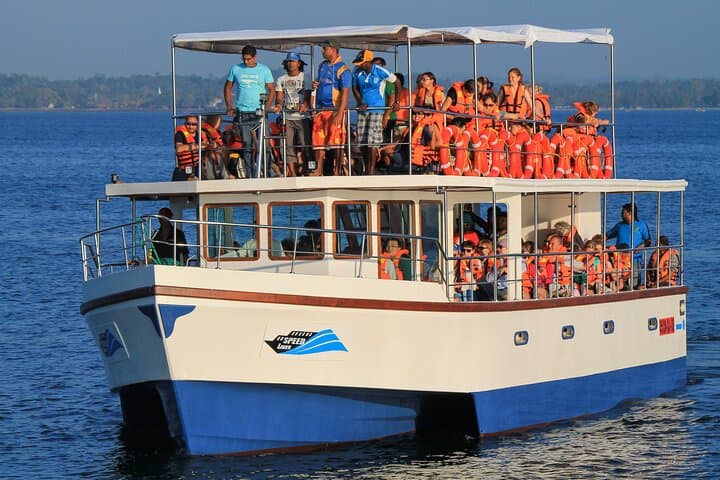
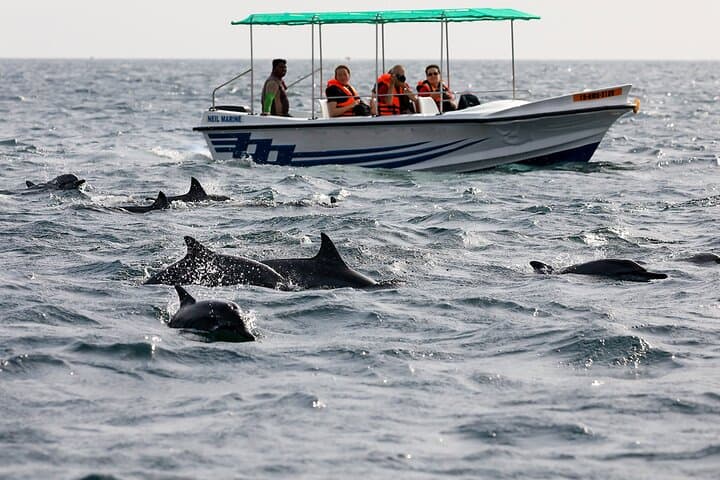
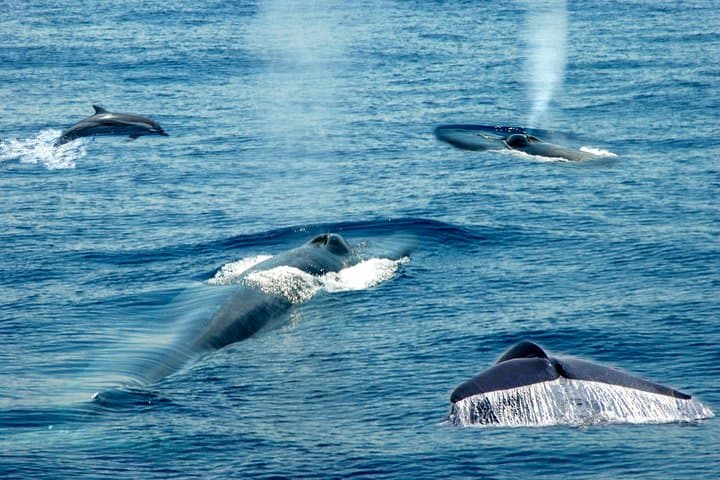
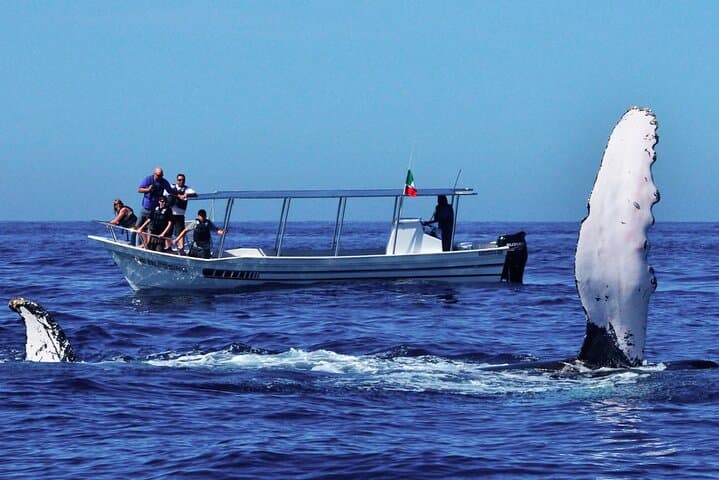
The morning light on Talpe’s shoreline is flat and blue, the sea opening like a promise as the boat slips away from the sand. Salt and diesel mix in the air; local crew shout instructions, and passengers press to the rail. Out here the Indian Ocean breathes with slow, massive rhythms — a spout, a back arcing, a tail fin cutting the surface — and for an hour or two you trade shoreline silence for the urgent, humbling presence of whales.
Verified experiences and guided adventures in the surrounding area.
Operated by Lakpura LLC · Talpe, Southern Province
The morning light on Talpe’s shoreline is flat and blue, the sea opening like a promise as the boat slips away from the sand. Salt and diesel mix in the air; local crew shout instructions, and passengers press to the rail. Out here the Indian Ocean breathes with slow, massive rhythms — a spout, a back arcing, a tail fin cutting the surface — and for an hour or two you trade shoreline silence for the urgent, humbling presence of whales.
Southern Sri Lanka’s coast records regular visits from blue, sperm and fin whales. Geologically, the continental shelf drops away here, concentrating nutrients and creating feeding corridors that attract the giants and smaller cetaceans year-round, with a peak season from November to April. Culturally, Mirissa and nearby Talpe grew from fishing villages into whale-watching hubs; boatmen now balance livelihood and respect for marine life, often sharing stories about the sea and its moods.
Practical guidance: tours are full‑day affairs (about seven hours including pick-up), bring sun protection, sea‑sickness remedies and binoculars. Expect shared boats with English‑speaking crew, basic safety briefings, and an emphasis on maintaining distance from animals. Weather can close tours; operators typically cancel for rough seas. Photography benefits from fast shutter speeds and high ISO — whales are rarely still.
This is a wildlife encounter that rewards patience. Watch the horizon in sweeps, listen for the guide’s call, and let the ocean decide how close the spectacle will come.
moderate.
6–7 hours.
Good for most fitness levels but expect extended standing and movement on an unstable deck; basic mobility required for boarding and disembarking.
The peak season is generally November–April when ocean conditions and prey concentrations increase the likelihood of blue whale sightings.
The advertised tour is about seven hours and typically includes hotel pick‑up and drop‑off by air‑conditioned vehicle.
No; sightings depend on sea conditions and animal presence—operators will cancel for unsafe weather and often offer refunds if sightings are not possible due to conditions.
Yes, tours are marketed as suitable for all fitness levels, but consider sea‑sickness risk and the physicality of boarding and standing on a moving boat.
Mirissa and Talpe developed as fishing hamlets; tourism grew in the late 20th century when whale sightings became regular, transforming local economies to include guided boat tours.
Responsible operators follow distance rules to minimize disturbance; choose licensed crews who limit time near animals and avoid aggressive pursuit.
Lakpura LLC operates guided outdoor trips and adventures with an emphasis on safety, stewardship, and memorable experiences.
The morning light on Talpe’s shoreline is flat and blue, the sea opening like a promise as the boat slips away from the sand. Salt and diesel mix in the air; local crew shout instructions, and passengers press to the rail. Out here the Indian Ocean breathes with slow, massive rhythms — a spout, a back arcing, a tail fin cutting the surface — and for an hour or two you trade shoreline silence for the urgent, humbling presence of whales.
The morning light on Talpe’s shoreline is flat and blue, the sea opening like a promise as the boat slips away from the sand. Salt and diesel mix in the air; local crew shout instructions, and passengers press to the rail. Out here the Indian Ocean breathes with slow, massive rhythms — a spout, a back arcing, a tail fin cutting the surface — and for an hour or two you trade shoreline silence for the urgent, humbling presence of whales.
Southern Sri Lanka’s coast records regular visits from blue, sperm and fin whales. Geologically, the continental shelf drops away here, concentrating nutrients and creating feeding corridors that attract the giants and smaller cetaceans year-round, with a peak season from November to April. Culturally, Mirissa and nearby Talpe grew from fishing villages into whale-watching hubs; boatmen now balance livelihood and respect for marine life, often sharing stories about the sea and its moods.
Practical guidance: tours are full‑day affairs (about seven hours including pick-up), bring sun protection, sea‑sickness remedies and binoculars. Expect shared boats with English‑speaking crew, basic safety briefings, and an emphasis on maintaining distance from animals. Weather can close tours; operators typically cancel for rough seas. Photography benefits from fast shutter speeds and high ISO — whales are rarely still.
This is a wildlife encounter that rewards patience. Watch the horizon in sweeps, listen for the guide’s call, and let the ocean decide how close the spectacle will come.