THE ADVENTURE COLLECTIVE® · Independent discovery and booking for outdoor travel

Set out from Hikkaduwa for a full-day whale and dolphin watching trip along Sri Lanka’s southern shelf. Early departures, calm seas and an experienced crew raise the odds of spotting blue whales and playful dolphins.
Set out from Hikkaduwa for a full-day whale and dolphin watching trip along Sri Lanka’s southern shelf. Early departures, calm seas and an experienced crew raise the odds of spotting blue whales and playful dolphins.
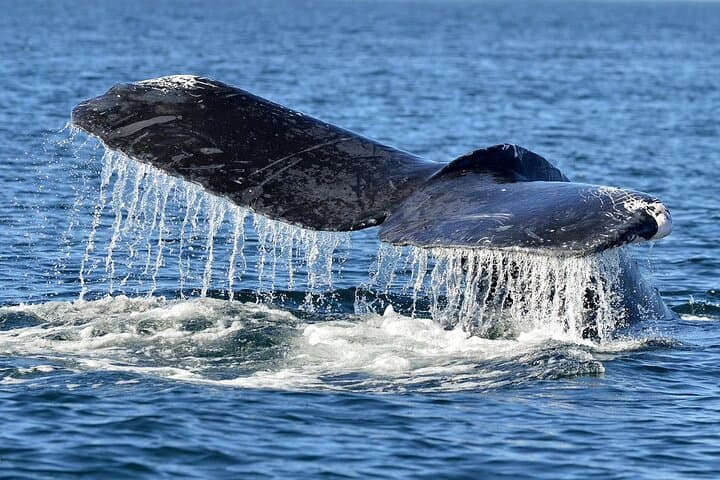
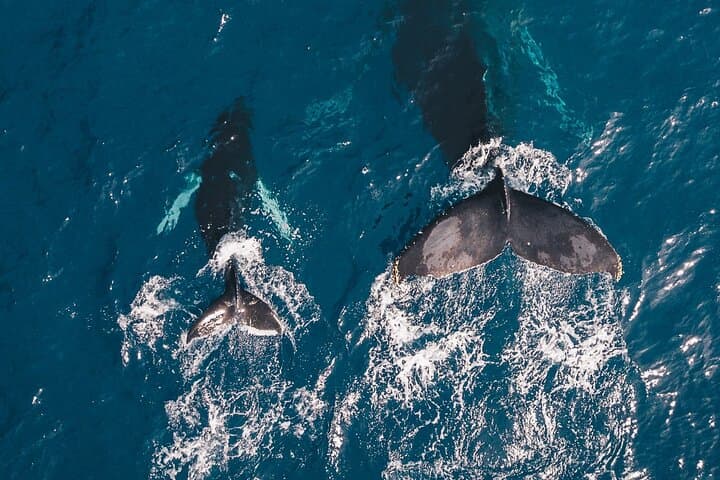
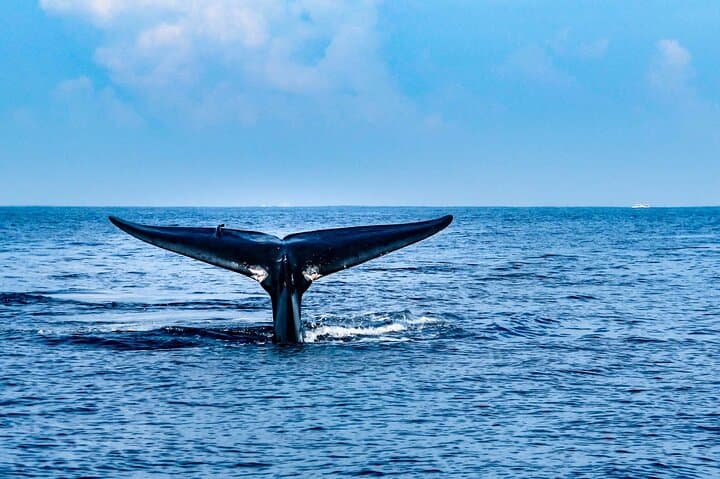
The boat slips away from the shoreline and the town noise thins to a low hum; ocean wind and salt take over. Early light spreads across the Indian Ocean, and the crew eyes the swell for the telltale spout or a dorsal fin cutting the surface. On clear mornings off Sri Lanka’s southern coast, pods of spinner and bottlenose dolphins often ride the bow while blue whales appear as slow-moving shadows, then lift and breathe in audible, immovable exhales.
Verified experiences and guided adventures in the surrounding area.
Operated by Tuktukdude Leisure · Hikkaduwa, Southern Province
The boat slips away from the shoreline and the town noise thins to a low hum; ocean wind and salt take over. Early light spreads across the Indian Ocean, and the crew eyes the swell for the telltale spout or a dorsal fin cutting the surface. On clear mornings off Sri Lanka’s southern coast, pods of spinner and bottlenose dolphins often ride the bow while blue whales appear as slow-moving shadows, then lift and breathe in audible, immovable exhales.
This stretch of water sits on the continental shelf where warm equatorial currents and upwellings concentrate plankton—prime feeding ground for Balaenoptera musculus and other cetaceans. Maritime trade and coastal fishing shaped local towns like Hikkaduwa and Mirissa; today a small whale-watching economy connects visitors with generations of boatmen who read swell, wind and whale behavior. Geologically, the shelf drops relatively quickly offshore, creating the deep channels whales favor.
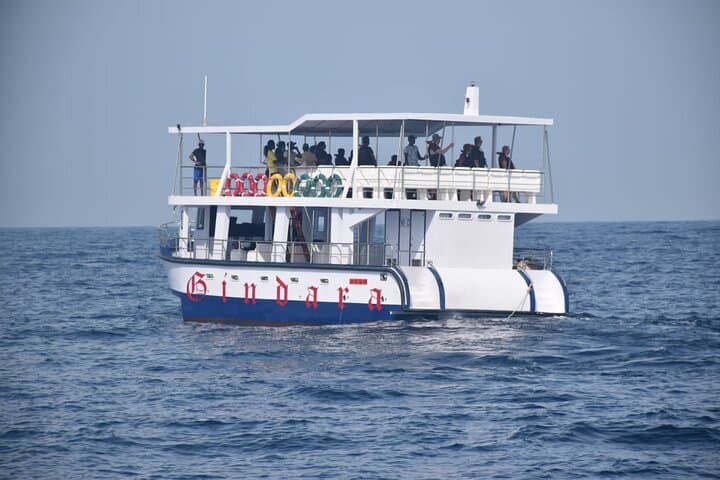
Practical guidance matters: tours typically run early (to chase calm sea), last up to eight hours including transfers, and provide bottled water and breakfast. Expect open-deck viewing, some standing and short climbs on and off the boat; bring sun protection, sea-sickness remedies and a compact pair of binoculars. Respect rules—stay the recommended distance, follow the crew’s guidance and keep noise low to avoid disturbing animals.
Timing, patience and a little luck deliver the reward: a close, ethical encounter with some of the ocean’s largest, most graceful residents.
easy.
8 hours.
Minimal fitness required—participants should be able to board a small craft and stand for stretches of time
Most trips depart at dawn to maximize calm conditions and typically run up to eight hours including hotel pickup and drop-off.
Sightings are common in peak months (December–April), but wildlife is unpredictable—guides increase odds by heading to known feeding areas.
Yes—infants must sit on an adult’s lap and all passengers should be able to follow safety briefings; inquire about life jacket sizes for small children.
Typical inclusions are boat ride with an experienced captain, bottled water, breakfast onboard, hotel pickup and a wildlife conservation fee.
Local communities shifted from traditional fishing to regulated ecotourism over recent decades, with Mirissa and Hikkaduwa becoming regional hubs for cetacean encounters.
Operators usually follow national guidelines to minimize disturbance; choose companies that limit approach distances and contribute to wildlife fees supporting research.
Tuktukdude Leisure operates guided outdoor trips and adventures with an emphasis on safety, stewardship, and memorable experiences.
The boat slips away from the shoreline and the town noise thins to a low hum; ocean wind and salt take over. Early light spreads across the Indian Ocean, and the crew eyes the swell for the telltale spout or a dorsal fin cutting the surface. On clear mornings off Sri Lanka’s southern coast, pods of spinner and bottlenose dolphins often ride the bow while blue whales appear as slow-moving shadows, then lift and breathe in audible, immovable exhales.
The boat slips away from the shoreline and the town noise thins to a low hum; ocean wind and salt take over. Early light spreads across the Indian Ocean, and the crew eyes the swell for the telltale spout or a dorsal fin cutting the surface. On clear mornings off Sri Lanka’s southern coast, pods of spinner and bottlenose dolphins often ride the bow while blue whales appear as slow-moving shadows, then lift and breathe in audible, immovable exhales.
This stretch of water sits on the continental shelf where warm equatorial currents and upwellings concentrate plankton—prime feeding ground for Balaenoptera musculus and other cetaceans. Maritime trade and coastal fishing shaped local towns like Hikkaduwa and Mirissa; today a small whale-watching economy connects visitors with generations of boatmen who read swell, wind and whale behavior. Geologically, the shelf drops relatively quickly offshore, creating the deep channels whales favor.
Practical guidance matters: tours typically run early (to chase calm sea), last up to eight hours including transfers, and provide bottled water and breakfast. Expect open-deck viewing, some standing and short climbs on and off the boat; bring sun protection, sea-sickness remedies and a compact pair of binoculars. Respect rules—stay the recommended distance, follow the crew’s guidance and keep noise low to avoid disturbing animals.
Timing, patience and a little luck deliver the reward: a close, ethical encounter with some of the ocean’s largest, most graceful residents.