THE ADVENTURE COLLECTIVE® · Independent discovery and booking for outdoor travel

Head offshore from Mirissa for sunrise whale watching along Sri Lanka’s southern shelf. Expect multi-hour outings with strong chances of blue whales, bryde’s whales and energetic dolphin pods — bring sun protection and seasickness remedies.
Head offshore from Mirissa for sunrise whale watching along Sri Lanka’s southern shelf. Expect multi-hour outings with strong chances of blue whales, bryde’s whales and energetic dolphin pods — bring sun protection and seasickness remedies.
Before the sun fully opens, the boat slips away from Mirissa’s curved harbor and the sea takes over — a cool, salt-scented expanse that seems to pull the horizon forward.
Verified experiences and guided adventures in the surrounding area.
Operated by Apple Vacations Pvt Ltd · Mirissa, Southern Province
Before the sun fully opens, the boat slips away from Mirissa’s curved harbor and the sea takes over — a cool, salt-scented expanse that seems to pull the horizon forward.
The route cuts along Sri Lanka’s southern continental shelf, where upwelling feeds plankton blooms and draws blue whales, bryde’s whales and playful pods of spinner and common dolphins. Colombo’s long maritime history — a port handed between Portuguese, Dutch and British hands — set the stage for modern coastal tourism, but Mirissa itself remains a working fishing village turned whale-watching hub. The coastline here is low, sandy and punctuated by rocky outcrops and coral reefs; geology that shapes sheltered bays and predictable feeding lanes.
On a typical trip boats depart around 7:00 a.m., steaming up to an hour to the deeper shelf; operators report tours lasting 3–5 hours at sea. Expect the sudden drama of a blow or a dorsal fin breaking a long, flat horizon — the ocean will demand attention and patience in equal measure.
Practicalities: bring sun protection, snacks and bottled water, and take motion-sickness meds if you’re prone to seasickness. A small camera with a telephoto or binoculars helps; crew will advise safe viewing distances to protect the animals. Tours require a current passport, and operators may cancel for rough weather. Fitness needs are moderate — you’ll board small to medium vessels and spend long stretches on deck. For an encounter that balances spectacle with responsibility, aim for November–April when sightings are most reliable.
moderate.
6–7 hours (including transfers).
Moderate fitness; must be able to board small boats and stand on deck for long periods
No — sightings are common but not guaranteed; operators monitor weather and feeding activity and will offer alternatives if canceled for safety.
Most excursions include a road transfer to Mirissa and a 3–5 hour boat tour; total door-to-door time from Colombo can reach 6–7 hours depending on traffic.
Infants must sit on laps; tours are not recommended for pregnant travelers or people with serious spinal/heart conditions—check operator restrictions.
Peak season for blue whale sightings is November through April when calmer seas and plankton concentrations attract large whales.
Mirissa evolved from a local fishing village into a whale-watching gateway as commercial boats adapted to tourism; nearby Colombo has long been the island’s principal maritime hub under colonial trade routes.
Responsible operators follow Sri Lanka’s viewing guidelines to minimize disturbance; stay on licensed boats and avoid approaches that crowd animals.
Apple Vacations Pvt Ltd operates guided outdoor trips and adventures with an emphasis on safety, stewardship, and memorable experiences.
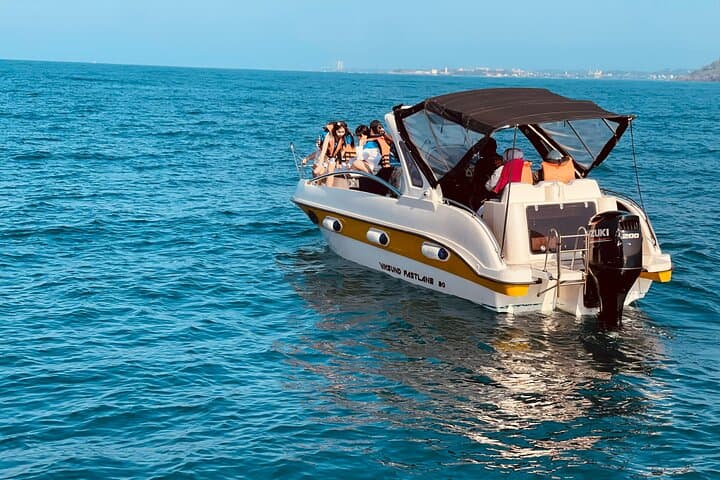
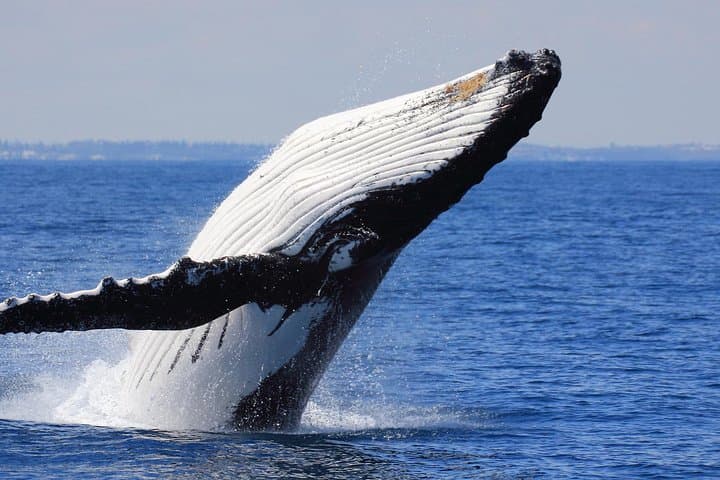
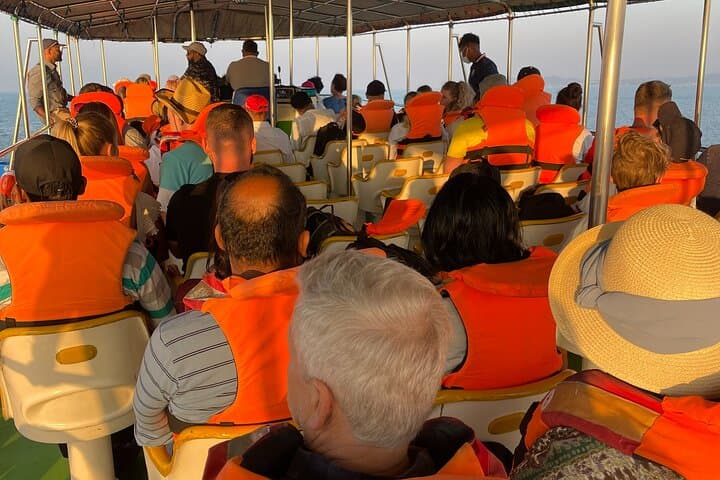

Before the sun fully opens, the boat slips away from Mirissa’s curved harbor and the sea takes over — a cool, salt-scented expanse that seems to pull the horizon forward.
Before the sun fully opens, the boat slips away from Mirissa’s curved harbor and the sea takes over — a cool, salt-scented expanse that seems to pull the horizon forward.
The route cuts along Sri Lanka’s southern continental shelf, where upwelling feeds plankton blooms and draws blue whales, bryde’s whales and playful pods of spinner and common dolphins. Colombo’s long maritime history — a port handed between Portuguese, Dutch and British hands — set the stage for modern coastal tourism, but Mirissa itself remains a working fishing village turned whale-watching hub. The coastline here is low, sandy and punctuated by rocky outcrops and coral reefs; geology that shapes sheltered bays and predictable feeding lanes.
On a typical trip boats depart around 7:00 a.m., steaming up to an hour to the deeper shelf; operators report tours lasting 3–5 hours at sea. Expect the sudden drama of a blow or a dorsal fin breaking a long, flat horizon — the ocean will demand attention and patience in equal measure.
Practicalities: bring sun protection, snacks and bottled water, and take motion-sickness meds if you’re prone to seasickness. A small camera with a telephoto or binoculars helps; crew will advise safe viewing distances to protect the animals. Tours require a current passport, and operators may cancel for rough weather. Fitness needs are moderate — you’ll board small to medium vessels and spend long stretches on deck. For an encounter that balances spectacle with responsibility, aim for November–April when sightings are most reliable.