THE ADVENTURE COLLECTIVE® · Independent discovery and booking for outdoor travel

Head offshore from Beruwala and into the deep upwelling waters off Mirissa for a chance to see blue, fin and sperm whales. This three-hour shared-boat trip pairs local knowledge with prime seasonal windows for sightings.
Head offshore from Beruwala and into the deep upwelling waters off Mirissa for a chance to see blue, fin and sperm whales. This three-hour shared-boat trip pairs local knowledge with prime seasonal windows for sightings.
A low, briny wind carries the smell of the Indian Ocean as the boat slips off the beach and into open water. The sea here has a rhythm—long swells that push the hull and sudden rises where a spout will announce a whale’s presence. From Beruwala you travel south toward the deep shelf waters off Mirissa, where blue whales, fin whales and sperm whales pass through on seasonal feeding routes.
Verified experiences and guided adventures in the surrounding area.
Operated by Lakpura LLC · Mirissa, Southern Province
A low, briny wind carries the smell of the Indian Ocean as the boat slips off the beach and into open water. The sea here has a rhythm—long swells that push the hull and sudden rises where a spout will announce a whale’s presence. From Beruwala you travel south toward the deep shelf waters off Mirissa, where blue whales, fin whales and sperm whales pass through on seasonal feeding routes.
This stretch of Sri Lanka’s southern coast sits at a meeting of currents and continental-shelf topography. Upwelling and plankton blooms draw krill and squid, and with them the ocean’s largest animals. The coastline is shaped by centuries of fishing culture: small ports, stilt-fishermen still working in some villages, and communities that have long read the sea’s moods.
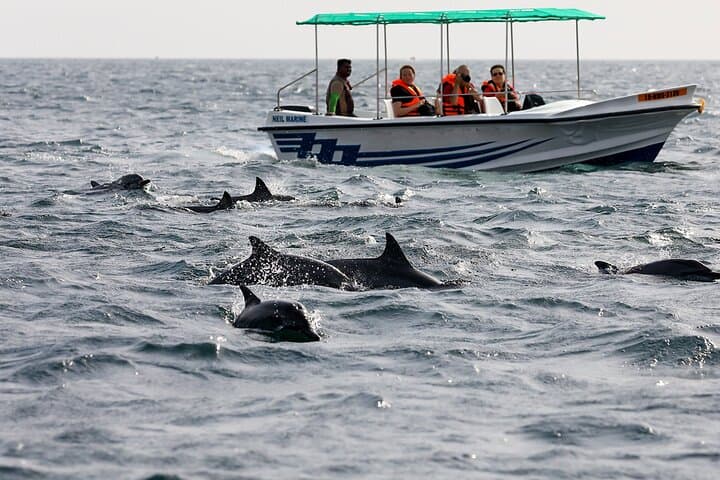
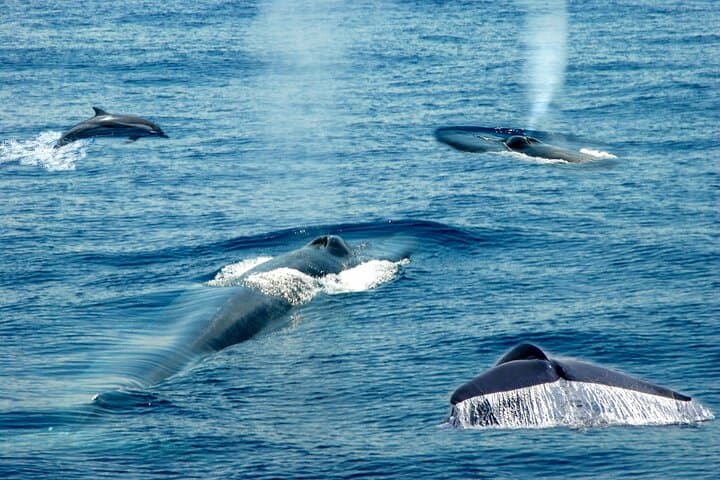
Expect minutes that quicken—dorsal fins breaking the surface, the long shadow of a blue whale beneath the water—and longer stretches of scanning the horizon with binoculars. Guides here pair local knowledge with basic marine biology: why whales appear in certain months, how to read sea state, and how to respect animals at sea.
Practical guidance: trips run about three hours, typically December–April when seas are calmer. Bring sun protection, a windproof layer, seasickness prevention, and a camera with a zoom. Be ready for bumpy passages; boats slow and circle at sighting. Operators in the region emphasize safe approach distances and minimal noise to avoid stressing animals. For first-time whale watchers, patience and preparation reward you with some of the most elemental wildlife viewing the Indian Ocean offers.
moderate.
3 hours.
Suitable for most fitness levels, but requires ability to board/stand on a moving boat and tolerate motion.
The highest chance of sightings is December through April when seas are calmer and feeding animals concentrate near the shelf off Mirissa.
Generally yes if participants can board and stand on a moving vessel; those with severe mobility issues or heart conditions should consult the operator due to limited facilities at sea.
Operators typically refund if canceled due to rough seas—check the 24-hour cancellation policy and confirm weather-based refund terms at booking.
Responsible operators maintain approach distances; boats will slow and observe rather than pursue, minimizing disturbance to the animals.
The south coast has long been a fishing and trading corridor; Portuguese and Dutch colonial outposts shaped modern harbors and roadways here.
Local operators follow guidelines to minimize vessel disturbance and promote reporting sightings; support community-based tour operators who invest in sustainable practices.
Lakpura LLC operates guided outdoor trips and adventures with an emphasis on safety, stewardship, and memorable experiences.
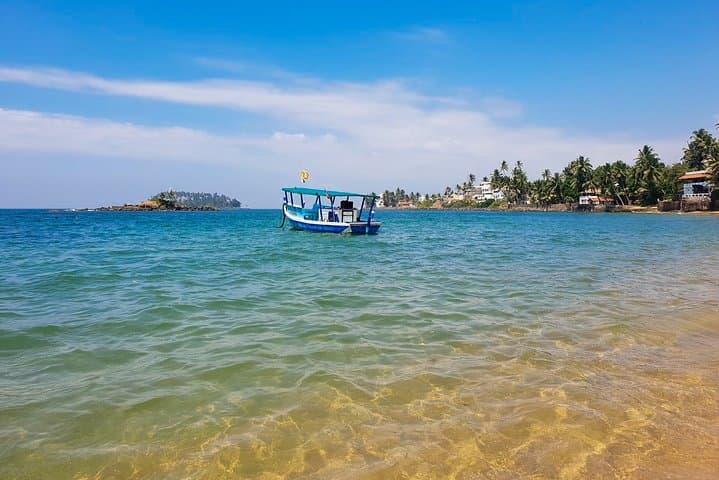
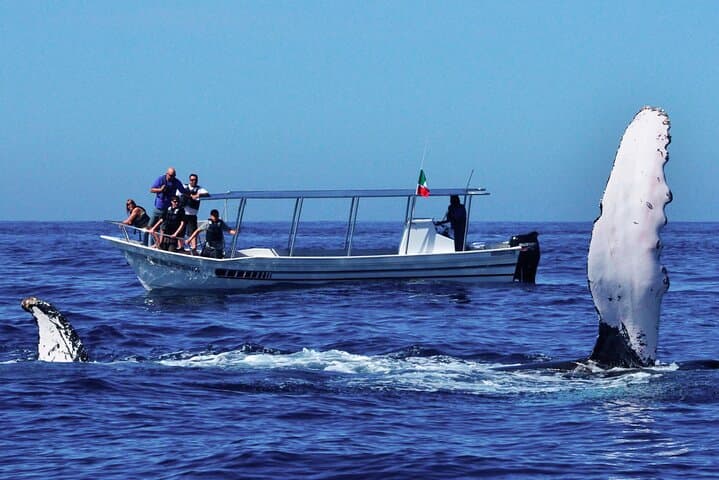
A low, briny wind carries the smell of the Indian Ocean as the boat slips off the beach and into open water. The sea here has a rhythm—long swells that push the hull and sudden rises where a spout will announce a whale’s presence. From Beruwala you travel south toward the deep shelf waters off Mirissa, where blue whales, fin whales and sperm whales pass through on seasonal feeding routes.
A low, briny wind carries the smell of the Indian Ocean as the boat slips off the beach and into open water. The sea here has a rhythm—long swells that push the hull and sudden rises where a spout will announce a whale’s presence. From Beruwala you travel south toward the deep shelf waters off Mirissa, where blue whales, fin whales and sperm whales pass through on seasonal feeding routes.
This stretch of Sri Lanka’s southern coast sits at a meeting of currents and continental-shelf topography. Upwelling and plankton blooms draw krill and squid, and with them the ocean’s largest animals. The coastline is shaped by centuries of fishing culture: small ports, stilt-fishermen still working in some villages, and communities that have long read the sea’s moods.
Expect minutes that quicken—dorsal fins breaking the surface, the long shadow of a blue whale beneath the water—and longer stretches of scanning the horizon with binoculars. Guides here pair local knowledge with basic marine biology: why whales appear in certain months, how to read sea state, and how to respect animals at sea.
Practical guidance: trips run about three hours, typically December–April when seas are calmer. Bring sun protection, a windproof layer, seasickness prevention, and a camera with a zoom. Be ready for bumpy passages; boats slow and circle at sighting. Operators in the region emphasize safe approach distances and minimal noise to avoid stressing animals. For first-time whale watchers, patience and preparation reward you with some of the most elemental wildlife viewing the Indian Ocean offers.